
Quality Types of MIG Welding Torch from China Support Diverse Fabrication Needs
2026-01-06


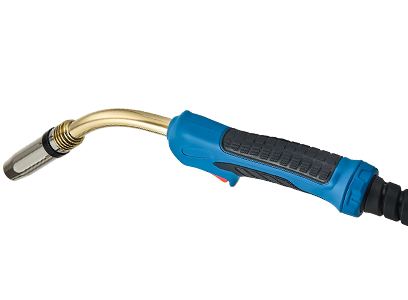
For welders in workshops, manufacturing plants, and construction sites, the MIG (Metal Inert Gas) welding torch is the primary interface between the operator and the workpiece. Its design directly affects comfort, control, and the quality of the weld bead. A torch that overheats, feels unbalanced, or has poor wire feeding can lead to operator fatigue and inconsistent results. With welding applications ranging from thin automotive panels to thick structural steel, different tasks can benefit from specialized torch designs. This variety has led many professionals and procurement managers to explore the range of quality types of MIG welding torch from china available to suit specific operational requirements.

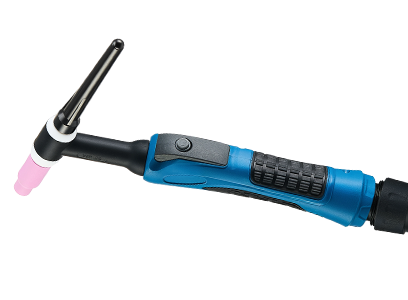
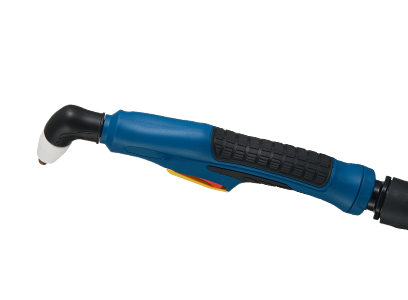
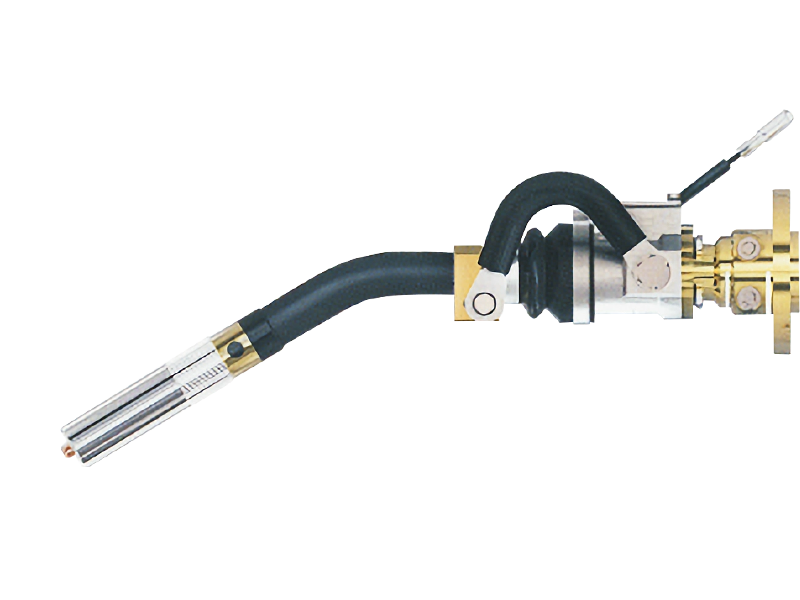
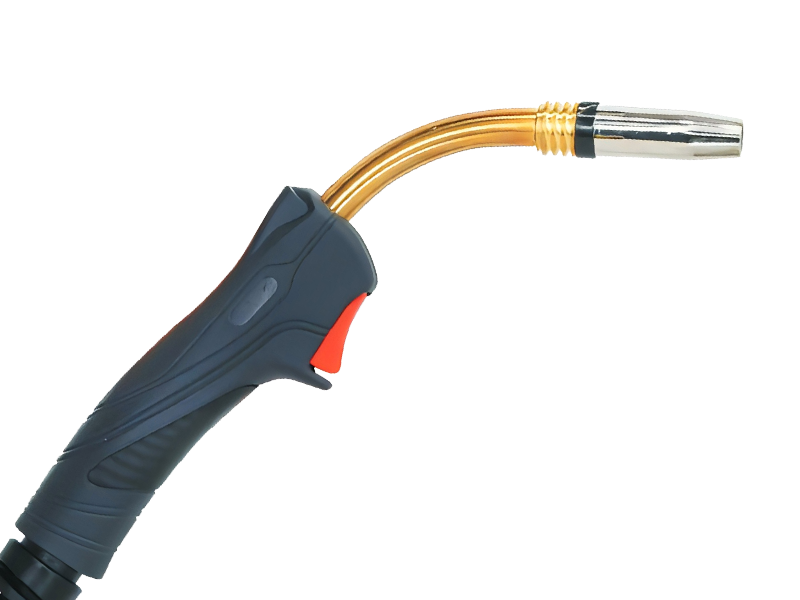
The primary consideration for a welder is often ergonomics and durability. A well-designed torch should feel comfortable in the hand during long shifts, with intuitive trigger placement and good balance to minimize strain. For tasks involving intricate work or tight spaces, a compact, lightweight torch with a flexible neck can provide better maneuverability. In contrast, high-amperage jobs on thicker materials require a torch with robust construction and effective cooling, often through an air-cooled or water-cooled system, to prevent overheating during extended use. The ability to choose from different quality types of MIG welding torch from china allows businesses to equip their teams with tools optimized for their most common tasks, whether that's light fabrication, heavy industrial work, or automated welding cells.
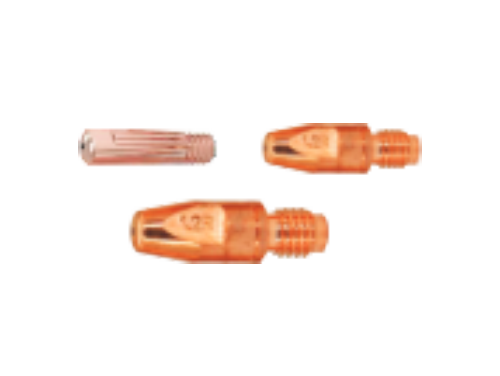
Beyond the basic handle and neck, features like the liner system for smooth wire feeding, the durability of the contact tip, and the ease of consumable replacement are critical for minimizing downtime. A reliable torch maintains consistent electrical conductivity and gas flow, which are essential for creating stable arcs and clean welds. By sourcing torches that combine ergonomic design with robust internal components, workshops can improve both welder productivity and job satisfaction. This focus on having the right tool for the job supports higher quality output, reduces rework, and contributes to a more efficient and professional welding operation.
Related Posts

Understanding Compact MIG Welding Machines: An Essential Tool for Automotive Repair

MESSAGES
We will contact you within one working day. Please pay attention to your email.
Qucik Link
Contact
WhatsApp: +8615833370366
E-mail: zhaoyiqian@hrwelding.cn
Address: No. 105 Yongming Street, Dahe Road, East of Renqiu City, Hebei, China