
The Science Behind Water Cooling in TIG Welding Technology: Enhancing Efficiency and Precision
2026-01-28


The Science Behind Water Cooling in TIG Welding Technology
Table of Contents
1. Introduction to TIG Welding
2. Importance of Cooling Systems in Welding
3. Understanding Water Cooling Technology
4. Mechanics of Water Cooling in TIG Welding
5. Benefits of Water Cooling Systems
6. Best Practices for Water Cooling in TIG Welding
7. Common Issues and Solutions in Water Cool
The Science Behind Water Cooling in TIG Welding Technology
Table of Contents
- 1. Introduction to TIG Welding
- 2. Importance of Cooling Systems in Welding
- 3. Understanding Water Cooling Technology
- 4. Mechanics of Water Cooling in TIG Welding
- 5. Benefits of Water Cooling Systems
- 6. Best Practices for Water Cooling in TIG Welding
- 7. Common Issues and Solutions in Water Cooling
- 8. Future Trends in TIG Welding Technology
- 9. FAQs
- 10. Conclusion
1. Introduction to TIG Welding
TIG (Tungsten Inert Gas) welding is known for its precision and versatility, making it a preferred choice in industries ranging from aerospace to automotive. This process utilizes a non-consumable tungsten electrode to produce the weld, shielding the weld pool with an inert gas—usually argon or helium—to prevent contamination. However, high-quality results can only be achieved with effective heat management, which is where water cooling plays a critical role.
2. Importance of Cooling Systems in Welding
Welding generates significant amounts of heat, which, if not managed properly, can lead to a variety of issues such as warping, distortion, and reduced weld quality. Efficient cooling systems help in maintaining optimal temperatures during the welding process, ensuring that the materials do not reach their melting points prematurely. This is particularly important for TIG welding, where the precision of the weld is paramount.
3. Understanding Water Cooling Technology
Water cooling systems in welding utilize water as a cooling medium to dissipate heat generated during the welding process. These systems can be integrated into the welding machine itself or used externally. The effectiveness of water cooling lies in its high heat capacity, allowing it to absorb and carry away heat efficiently.
How Water Cooling Works
Water cooling systems consist of several components, including a water pump, a heat exchanger, and hoses that circulate water around the welding torch and other critical components. As water circulates, it absorbs heat from the torch, which is then dissipated through the heat exchanger. This process maintains a steady temperature, preventing overheating and prolonging the life of the welding equipment.
4. Mechanics of Water Cooling in TIG Welding
The mechanics of water cooling in TIG welding involve the careful design of the cooling system to ensure optimal performance. The cooling system must be capable of handling the thermal load generated during welding without introducing impurities into the weld pool.
Components of a Water Cooling System
- **Water Pump**: Circulates water through the system.
- **Heat Exchanger**: Transfers heat from the water to the surrounding environment.
- **Hoses**: Connect various components and direct water flow.
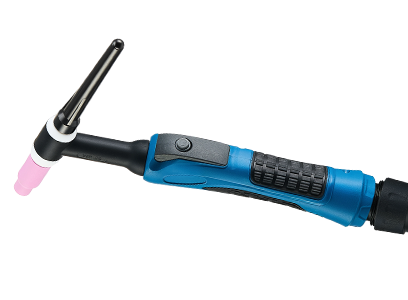
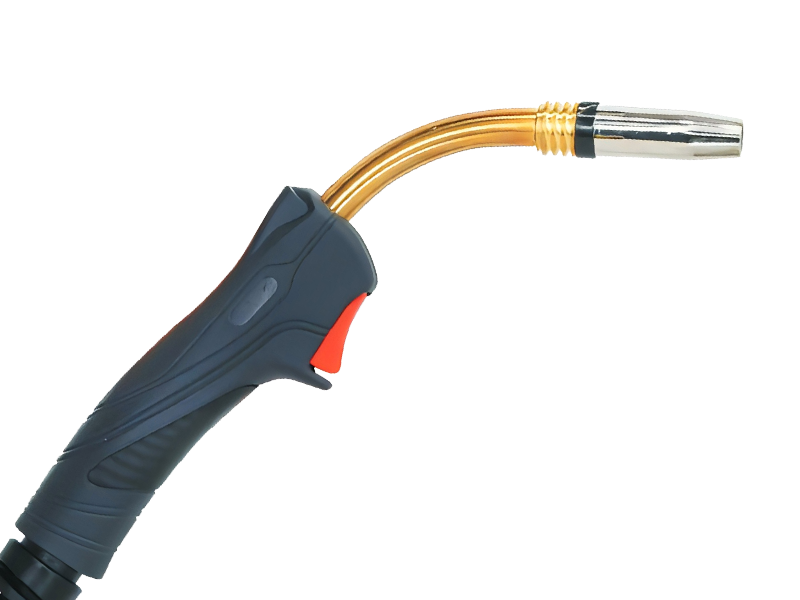
Additionally, the design of the water-cooled torch is specialized to maximize cooling efficiency while maintaining the integrity of the welding process.
5. Benefits of Water Cooling Systems
Implementing water cooling systems in TIG welding offers numerous advantages:
Enhanced Cooling Efficiency
Water cooling allows for rapid and efficient heat removal, which is crucial for maintaining the quality of the weld.
Increased Productivity
By preventing overheating, water cooling systems enable longer welding sessions without the need for interruptions, thereby boosting overall productivity.
Extended Equipment Lifespan
Effective cooling reduces wear and tear on welding equipment, resulting in longer operational life and reduced maintenance costs.
Improved Weld Quality
Stable temperatures lead to consistent weld profiles, reducing the likelihood of defects due to overheating or underheating.
6. Best Practices for Water Cooling in TIG Welding
To maximize the benefits of water cooling systems in TIG welding, several best practices should be followed:
Regular Maintenance of Cooling Systems
Routine checks on water pumps, hoses, and heat exchangers are essential to ensure the system is functioning optimally. Any leaks or blockages can significantly impact cooling efficiency.
Monitoring Water Quality
Using clean, deionized water helps prevent mineral buildup and corrosion within the system, which can degrade performance over time.
Optimal Water Temperature Settings
Maintaining appropriate water temperature is crucial. Too cold can lead to thermal shock, while too warm may not dissipate heat effectively.
7. Common Issues and Solutions in Water Cooling
Despite their advantages, water cooling systems can present challenges:
Issue: Blockages in the Cooling System
**Solution**: Regularly inspect and flush the system to remove any debris or mineral buildup.
Issue: Overheating Due to Insufficient Water Flow
**Solution**: Ensure that the water pump is properly functioning and replace it if necessary.
Issue: Leaks in Hoses or Connections
**Solution**: Check hoses and connections regularly for signs of wear and replace any damaged components immediately.
8. Future Trends in TIG Welding Technology
As technology evolves, so do the methods and systems used in TIG welding. Emerging trends include:
Integration of Smart Technologies
With advancements in IoT and AI, future TIG welding systems may incorporate smart sensors that monitor and adjust cooling based on real-time data, enhancing efficiency and precision.
Development of Advanced Materials
Research into materials that can withstand higher temperatures without the need for extensive cooling could change the landscape of TIG welding.
9. FAQs
What is TIG welding?
TIG welding is a welding process that uses a non-consumable tungsten electrode to produce the weld, with an inert gas shielding to prevent contamination.
Why is water cooling necessary in TIG welding?
Water cooling is essential in TIG welding to manage the heat generated, ensuring the integrity and quality of the weld while extending the equipment's lifespan.
How does water cooling improve weld quality?
By maintaining stable temperatures, water cooling prevents overheating or underheating, leading to more consistent and high-quality welds.
Can I use tap water for my welding water cooling system?
It is recommended to use clean, deionized water to prevent mineral buildup and corrosion that can affect the system's performance.
What maintenance is required for a welding water cooling system?
Routine checks for leaks, blockages, and ensuring proper water flow and quality are essential for maintaining an efficient water cooling system.
10. Conclusion
Water cooling in TIG welding technology stands as a critical element in ensuring optimal performance, enhancing productivity, and delivering high-quality welds. By understanding the mechanics and benefits of water cooling systems, along with adhering to best practices, welders can significantly improve their craft. As welding technology continues to evolve, staying informed about advancements will further enhance the efficacy of water cooling and, consequently, the quality of TIG welding.
TAG:
Related Posts

Understanding Compact MIG Welding Machines: An Essential Tool for Automotive Repair
Compact MIG welding machines are versatile tools designed to meet the needs of both hobbyists and professionals in the automotive sector. MIG, which stands for Metal Inert Gas, welding is a widely used process for its efficiency and effectiveness in joining various metals. Compact MIG welding machines bring this technology into a more portable and user-friendly format, making them ideal for automo

MESSAGES
We will contact you within one working day. Please pay attention to your email.
Qucik Link
Contact
WhatsApp: +8615833370366
E-mail: zhaoyiqian@hrwelding.cn
Address: No. 105 Yongming Street, Dahe Road, East of Renqiu City, Hebei, China