
Selecting Your TIG Consumables Kit: Essential Factors to Consider for Optimal Welding Performance
2026-02-03


Selecting Your TIG Consumables Kit: Essential Factors to Consider for Optimal Welding Performance
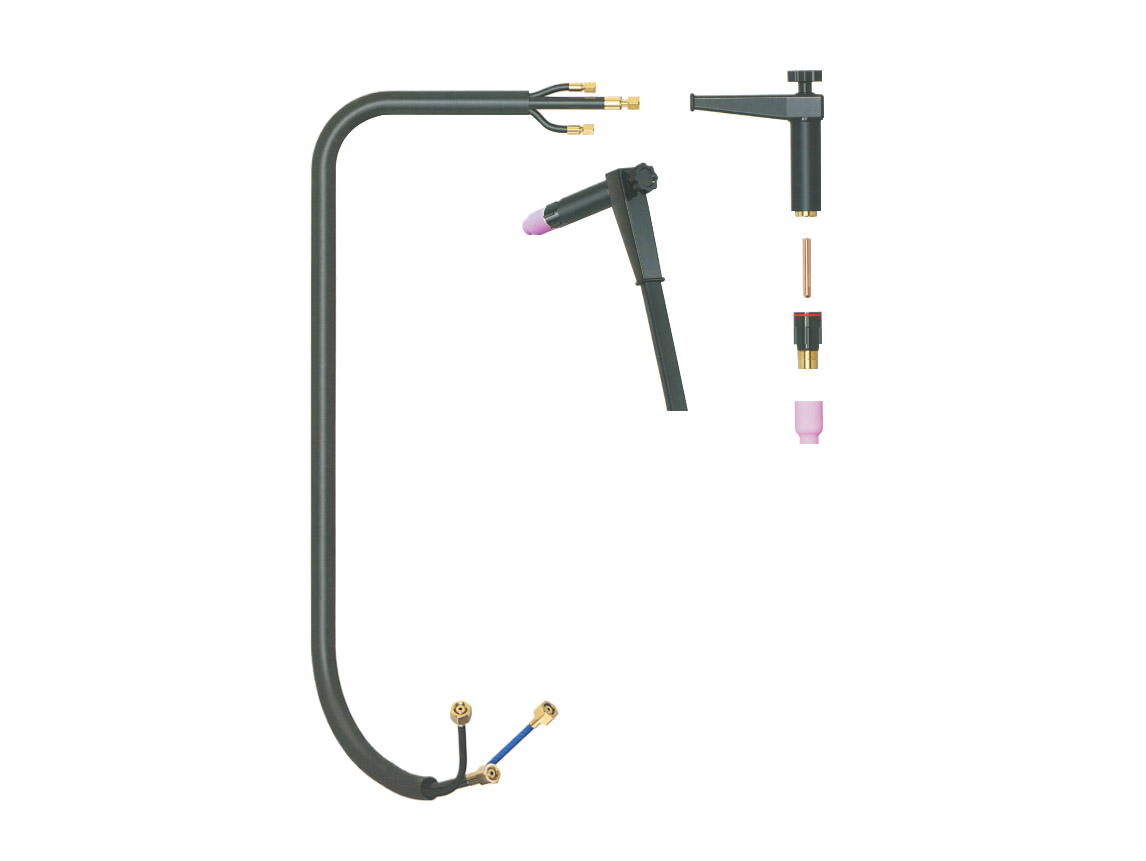
When it comes to TIG welding, your choice of consumables can significantly impact the quality of your work. Whether you’re a seasoned professional or a hobbyist, selecting the right TIG consumables kit is crucial for achieving optimal results. This article dives deep into the essential factors you sho
Selecting Your TIG Consumables Kit: Essential Factors to Consider for Optimal Welding Performance
When it comes to TIG welding, your choice of consumables can significantly impact the quality of your work. Whether you’re a seasoned professional or a hobbyist, selecting the right TIG consumables kit is crucial for achieving optimal results. This article dives deep into the essential factors you should consider when assembling your TIG welding toolkit, ensuring that you have everything you need for high-performance welding.
Table of Contents
- 1. Understanding TIG Welding: A Brief Overview
- 2. The Importance of Quality Consumables in TIG Welding
- 3. Key Components of a TIG Consumables Kit
- 4. Essential Factors to Consider When Selecting Consumables
- 5. Common Mistakes to Avoid When Choosing TIG Consumables
- 6. Maintaining Your TIG Consumables for Longevity
- 7. Conclusion
- 8. Frequently Asked Questions (FAQs)
1. Understanding TIG Welding: A Brief Overview
TIG welding, or Tungsten Inert Gas welding, is a precise and versatile welding process that uses a non-consumable tungsten electrode to produce the weld. The technique offers exceptional control, making it suitable for a range of materials, including aluminum, stainless steel, and copper alloys. A shielding gas, typically argon or helium, protects the weld pool from contamination. Understanding the fundamentals of TIG welding is essential for choosing the right consumables that complement your specific welding tasks.
2. The Importance of Quality Consumables in TIG Welding
Using high-quality consumables in your TIG welding projects cannot be overstated. Quality consumables contribute to smoother arcs, better weld quality, and reduced contamination. When you invest in premium components, you not only enhance the integrity of your welds but also increase the efficiency and longevity of your equipment. Furthermore, the correct choice of consumables can save you time and material costs in the long run.
3. Key Components of a TIG Consumables Kit
Building a robust TIG consumables kit involves selecting several key components, each playing a pivotal role in the welding process. Here’s a closer look at these essential elements.
3.1 Tungsten Electrodes
Tungsten electrodes are the heart of your TIG welding kit. They come in various types, including pure tungsten, thoriated, ceriated, and lanthanated electrodes. The type you choose will depend on your welding application:
- **Pure Tungsten**: Best for AC welding and thin materials.
- **Thoriated Tungsten**: Offers excellent arc stability and is ideal for DC welding.
- **Ceriated and Lanthanated Tungsten**: Provide a balance between performance and longevity, suitable for both AC and DC applications.
Choosing the right electrode ensures a stable arc and quality welds, making it a fundamental decision in your kit selection.
3.2 Nozzles
Nozzles serve to direct the shielding gas to protect the weld area. They come in different sizes and shapes, affecting the gas flow and arc visibility. Key considerations when selecting nozzles include:
- **Size**: Smaller nozzles are better for tighter spaces, while larger nozzles are ideal for thicker materials.
- **Type**: Consider using gas lens nozzles for improved gas coverage, especially in challenging positions.
The right nozzle choice can considerably enhance your weld quality by ensuring effective shielding gas flow.
3.3 Collets and Collet Bodies
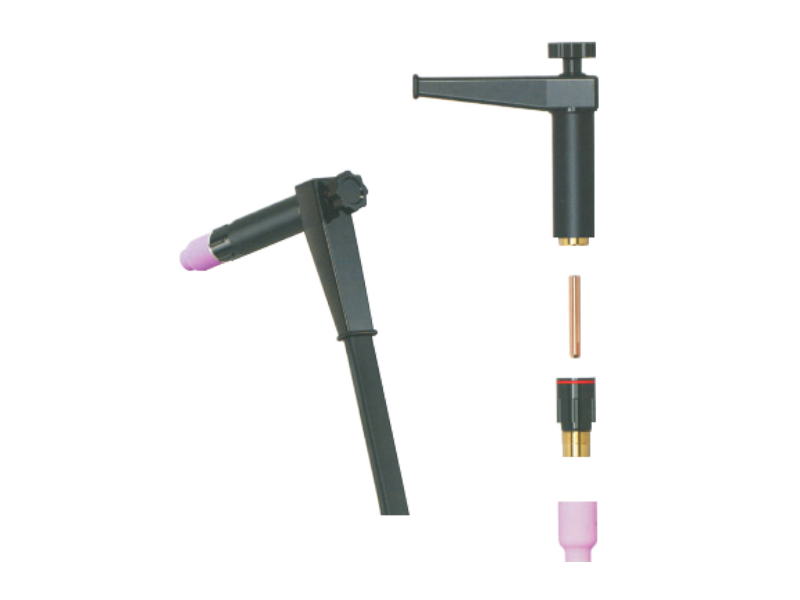
Collets securely hold the tungsten electrode in place. The selection of collet and collet body sizes must match your electrode diameter. The right pairing ensures a firm grip and optimal performance during welding.
Consider investing in different sizes to accommodate various electrode diameters, enhancing versatility in your welding projects.
3.4 Shielding Gas
The shielding gas is critical in protecting the weld from atmospheric contamination. The most commonly used gas for TIG welding is argon, but helium is also popular for aluminum welding. Factors to consider include:
- **Type of Material**: Different materials may require different gas mixtures for optimal results.
- **Welding Position**: The position can affect gas coverage; for instance, overhead welding may require higher flow rates.
Selecting the correct shielding gas ensures a clean, high-quality weld with minimal defects.
4. Essential Factors to Consider When Selecting Consumables
When assembling your TIG consumables kit, several factors must influence your choices. Understanding these factors will help you make informed decisions that enhance your welding experience.
4.1 Material Thickness
The thickness of the material you are welding significantly impacts your choice of consumables. Thicker materials may require larger electrodes and higher amperage, while thinner materials necessitate smaller electrodes and lower amperage settings. Tailoring your consumables to the material thickness ensures you achieve strong, clean welds without burn-through.
4.2 Welding Position
The position in which you are welding—flat, horizontal, vertical, or overhead—affects the choice of nozzles, gas flow, and even electrode type. Certain positions may require specific configurations, such as using a gas lens to ensure adequate gas coverage and prevent contamination. Always consider your welding position when selecting consumables.
4.3 Welding Current
The welding current affects the type of tungsten electrode you should use, as well as its diameter. Different electrodes perform better at various current ranges:
- **Low Current**: Smaller diameter electrodes work better.
- **High Current**: Larger diameter electrodes are necessary to handle the increased heat.
Understanding your current settings can guide you in selecting the most suitable tungsten type and size.
5. Common Mistakes to Avoid When Choosing TIG Consumables
Avoiding common pitfalls can significantly enhance your welding results. Here are some mistakes to watch out for:
- **Neglecting Material Compatibility**: Always ensure your consumables align with the materials you are welding.
- **Using Incorrect Electrode Size**: Choosing a size that doesn’t match your current or material thickness can lead to poor weld quality.
- **Overlooking Gas Coverage**: Inadequate gas flow can result in contamination and weak welds. Ensure your nozzle and gas settings are optimal for your welding conditions.
By being aware of these common mistakes, you can improve the overall quality and efficiency of your TIG welding projects.
6. Maintaining Your TIG Consumables for Longevity
Proper maintenance of your TIG consumables is crucial for ensuring their longevity and optimal performance. Here are some tips to keep your consumables in top shape:
- **Regular Inspection**: Check your electrodes, nozzles, and collets frequently for wear or damage.
- **Cleaning**: Clean your nozzles and other components regularly to prevent contamination.
- **Proper Storage**: Store your consumables in a dry and clean environment to avoid corrosion and damage.
By following these maintenance tips, you can extend the lifespan of your consumables and improve your welding performance.
7. Conclusion
Selecting the right TIG consumables kit is a critical step for anyone involved in TIG welding. By understanding the essential components, factors to consider, and common pitfalls, you can make informed choices that lead to superior weld quality and enhanced efficiency. Your investment in high-quality consumables will pay off in the form of reliable performance and impeccable welds. As you embark on your next welding project, remember these considerations to optimize your outcomes.
8. Frequently Asked Questions (FAQs)
1. What are the best tungsten electrode types for TIG welding?
The best tungsten electrode type depends on your specific application. Thoriated electrodes are excellent for DC welding, while pure tungsten is ideal for AC applications.
2. How do I choose the right shielding gas?
The right shielding gas depends on the materials being welded. Argon is commonly used for most applications, while helium may be more suitable for thick aluminum.
3. Can I use the same consumables for different materials?
While some consumables can be used across different materials, it is best to tailor your selection to ensure optimal performance and weld quality.
4. What maintenance is required for TIG consumables?
Regular inspection, cleaning, and proper storage are essential for maintaining your TIG consumables and ensuring they perform at their best.
5. How do I know the correct electrode size to use?
The correct electrode size depends on the material thickness and welding current. Generally, larger electrodes are needed for thicker materials and higher currents.
By considering the information presented in this article, you can confidently select the TIG consumables that best suit your welding needs, enhancing your overall performance and results.
TAG:
Related Posts
Selecting Your TIG Consumables Kit: Essential Factors to Consider for Optimal Welding Performance
Selecting Your TIG Consumables Kit: Essential Factors to Consider for Optimal Welding Performance
When it comes to TIG welding, your choice of consumables can significantly impact the quality of your work. Whether you’re a seasoned professional or a hobbyist, selecting the right TIG consumables kit is crucial for achieving optimal results. This article dives deep into the essential factors you sho

MESSAGES
We will contact you within one working day. Please pay attention to your email.
Qucik Link
Contact
WhatsApp: +8615833370366
E-mail: zhaoyiqian@hrwelding.cn
Address: No. 105 Yongming Street, Dahe Road, East of Renqiu City, Hebei, China