
Essential Equipment for MIG Welding: A Comprehensive Guide
2026-01-01


MIG welding, or Metal Inert Gas welding, is a popular arc welding process known for its versatility and ease of use. To achieve optimal results in MIG welding, having the right equipment is paramount. Below, we outline the essential tools and accessories required for successful MIG welding.
1. **Welding Machine**: At the heart of any MIG welding setup is the welding machine itself. A MIG welder us
MIG welding, or Metal Inert Gas welding, is a popular arc welding process known for its versatility and ease of use. To achieve optimal results in MIG welding, having the right equipment is paramount. Below, we outline the essential tools and accessories required for successful MIG welding.
1. **Welding Machine**: At the heart of any MIG welding setup is the welding machine itself. A MIG welder uses a combination of an electrical power source, a wire feeder, and a welding gun. It's crucial to select a machine that meets the specifications of your project, including the type of materials you'll be welding and their thickness. Look for models with adjustable voltage and wire feed speed settings to adapt to various welding tasks.
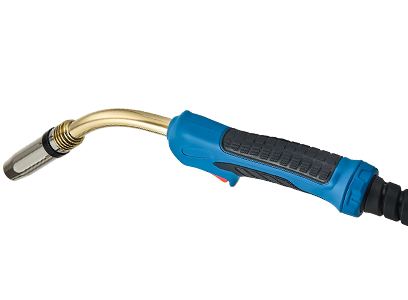
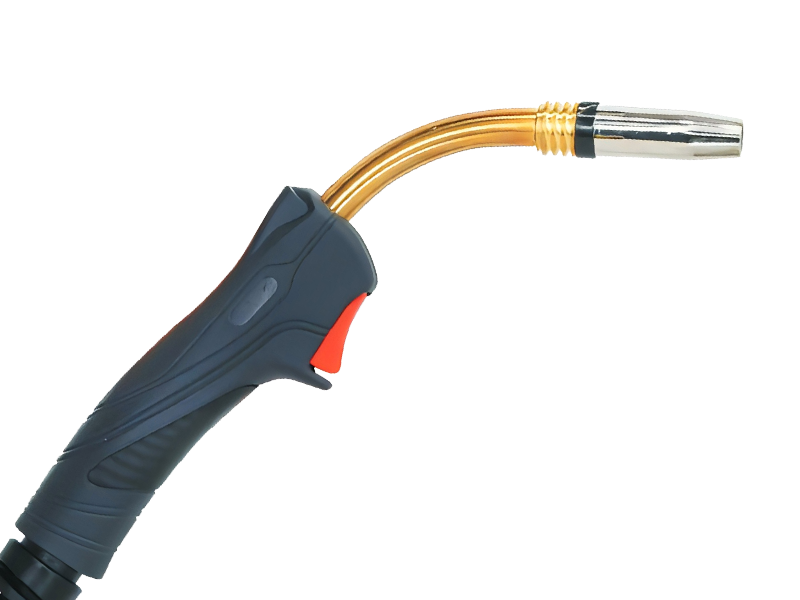
2. **Welding Gun**: The MIG welding gun is a critical component that delivers the filler wire to the weld pool. It is important to choose a welding gun that is comfortable to hold and easy to maneuver. The gun should also be compatible with the diameter of the wire you plan to use, typically ranging from 0.023 to 0.045 inches.
3. **Filler Wire**: The filler wire used in MIG welding is crucial for achieving a strong weld. It is available in various alloys and diameters, each suited for different materials and applications. Ensure that the wire is compatible with the base metals being welded. Common types of filler wire include ER70S-6 for mild steel and ER4047 for aluminum.
4. **Gas Supply**: MIG welding typically requires a shielding gas to protect the weld pool from contamination. The most commonly used shielding gases are argon and carbon dioxide, or a mixture of both. It is essential to have a reliable gas cylinder and regulator to control the gas flow effectively.
5. **Protective Gear**: Safety should always be a priority when welding. Essential protective gear includes a welding helmet with an appropriate shade lens, gloves to protect your hands, and flame-resistant clothing. Ensure that your workspace is well-ventilated to minimize exposure to harmful fumes.
6. **Welding Cart and Accessories**: To keep your workspace organized and efficient, consider investing in a welding cart to store your machine and accessories. Additional tools such as clamping devices, wire brushes, and grinders can help prepare the workpieces for welding and clean up afterward.
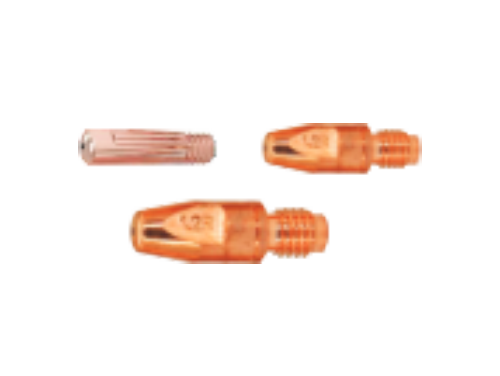
7. **Cleaning and Maintenance Supplies**: Keeping your equipment in good condition is vital for optimal performance. Regularly clean your welding gun and tips to prevent buildup, and check your gas supply and pressure frequently. Maintenance supplies such as contact tips, nozzles, and liners should also be on hand for replacements as needed.
In conclusion, having the right equipment for MIG welding not only enhances the quality of your work but also improves safety and efficiency in your welding process. By ensuring you are well-equipped, you can achieve superior welding results that meet professional standards.
1. **Welding Machine**: At the heart of any MIG welding setup is the welding machine itself. A MIG welder uses a combination of an electrical power source, a wire feeder, and a welding gun. It's crucial to select a machine that meets the specifications of your project, including the type of materials you'll be welding and their thickness. Look for models with adjustable voltage and wire feed speed settings to adapt to various welding tasks.
2. **Welding Gun**: The MIG welding gun is a critical component that delivers the filler wire to the weld pool. It is important to choose a welding gun that is comfortable to hold and easy to maneuver. The gun should also be compatible with the diameter of the wire you plan to use, typically ranging from 0.023 to 0.045 inches.
3. **Filler Wire**: The filler wire used in MIG welding is crucial for achieving a strong weld. It is available in various alloys and diameters, each suited for different materials and applications. Ensure that the wire is compatible with the base metals being welded. Common types of filler wire include ER70S-6 for mild steel and ER4047 for aluminum.
4. **Gas Supply**: MIG welding typically requires a shielding gas to protect the weld pool from contamination. The most commonly used shielding gases are argon and carbon dioxide, or a mixture of both. It is essential to have a reliable gas cylinder and regulator to control the gas flow effectively.
5. **Protective Gear**: Safety should always be a priority when welding. Essential protective gear includes a welding helmet with an appropriate shade lens, gloves to protect your hands, and flame-resistant clothing. Ensure that your workspace is well-ventilated to minimize exposure to harmful fumes.
6. **Welding Cart and Accessories**: To keep your workspace organized and efficient, consider investing in a welding cart to store your machine and accessories. Additional tools such as clamping devices, wire brushes, and grinders can help prepare the workpieces for welding and clean up afterward.
7. **Cleaning and Maintenance Supplies**: Keeping your equipment in good condition is vital for optimal performance. Regularly clean your welding gun and tips to prevent buildup, and check your gas supply and pressure frequently. Maintenance supplies such as contact tips, nozzles, and liners should also be on hand for replacements as needed.
In conclusion, having the right equipment for MIG welding not only enhances the quality of your work but also improves safety and efficiency in your welding process. By ensuring you are well-equipped, you can achieve superior welding results that meet professional standards.
TAG:
Related Posts

Understanding Compact MIG Welding Machines: An Essential Tool for Automotive Repair
Compact MIG welding machines are versatile tools designed to meet the needs of both hobbyists and professionals in the automotive sector. MIG, which stands for Metal Inert Gas, welding is a widely used process for its efficiency and effectiveness in joining various metals. Compact MIG welding machines bring this technology into a more portable and user-friendly format, making them ideal for automo

MESSAGES
We will contact you within one working day. Please pay attention to your email.
Qucik Link
Contact
WhatsApp: +8615833370366
E-mail: zhaoyiqian@hrwelding.cn
Address: No. 105 Yongming Street, Dahe Road, East of Renqiu City, Hebei, China