
The Importance of Regularly Replacing MIG Gun Parts: A Comprehensive Guide for Welders
2025-12-29


The Importance of Regularly Replacing MIG Gun Parts
MIG (Metal Inert Gas) welding is a popular method used in various industries due to its efficiency, versatility, and ease of use. However, for welders to achieve optimal results, ensuring that all equipment is in prime condition is crucial. One of the most critical components of MIG welding is the MIG gun. Regularly replacing MIG gun parts is not
The Importance of Regularly Replacing MIG Gun Parts
MIG (Metal Inert Gas) welding is a popular method used in various industries due to its efficiency, versatility, and ease of use. However, for welders to achieve optimal results, ensuring that all equipment is in prime condition is crucial. One of the most critical components of MIG welding is the MIG gun. Regularly replacing MIG gun parts is not just a recommendation; it is a necessity for anyone who values quality and safety in their welding projects. This article delves into why replacing these parts is essential, the components to monitor, and how to effectively maintain your MIG gun.
Table of Contents
1. Signs of Wear and Tear on MIG Gun Parts
2. Key Components That Need Regular Replacement
3. Benefits of Regularly Replacing MIG Gun Parts
4. How to Maintain Your MIG Gun for Longevity
5. Common MIG Gun Problems and Solutions
6. Choosing the Right Replacement Parts for Your MIG Gun
7. Frequently Asked Questions
8. Conclusion
Signs of Wear and Tear on MIG Gun Parts
Understanding when to replace MIG gun parts is essential for maintaining peak performance. Several signs indicate that a part may need replacement:
1. Excessive Spatter
One of the first signs that something is amiss with your MIG gun is an increase in spatter around the weld area. This can signal that the contact tip or nozzle is worn out, leading to inconsistent wire feeding and poor arc stability.
2. Inconsistent Wire Feed
If you notice fluctuations in wire feed speed or difficulties in feeding the wire, the drive rolls or the liner may be damaged. Regularly inspecting these parts can prevent more significant issues down the line.
3. Overheating
Overheating can lead to various problems, including equipment failure. If your MIG gun is consistently hot to the touch, it may be time to check the power cable and other electrical components for wear.
4. Poor Weld Quality
A drop in weld quality can often be traced back to deteriorating MIG gun parts. Issues such as undercutting, lack of penetration, or inconsistent bead appearance indicate that it's time for a replacement.
Key Components That Need Regular Replacement
Several MIG gun components require regular attention to ensure the welding process runs smoothly.
1. Contact Tips
Contact tips are vital for conducting electricity to the wire. Over time, they can wear out, leading to poor arc stability. Replace them when you notice excessive wear or damage.
2. Nozzles
Nozzles direct the shielding gas to protect the weld pool. A damaged nozzle can result in contamination and poor weld quality. Check them regularly and replace them as needed.
3. Liners
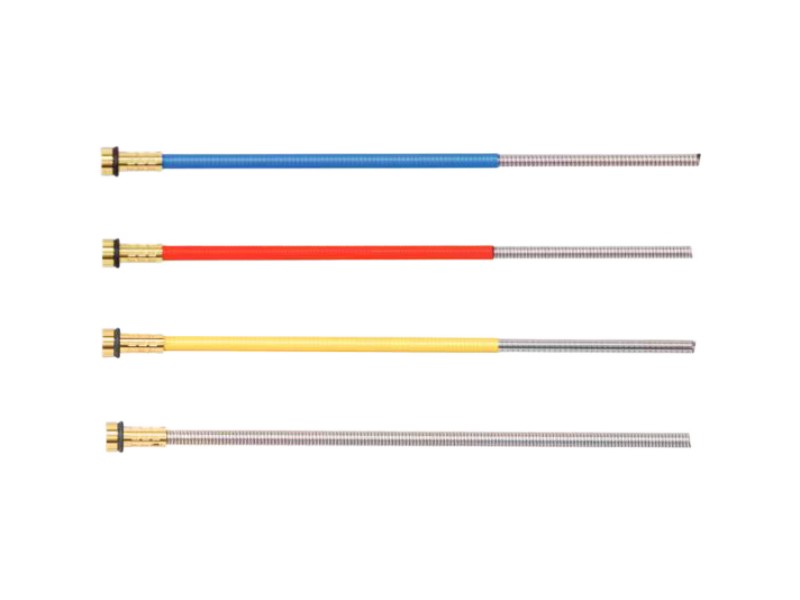
The liner guides the welding wire through the gun. A worn liner can lead to increased friction, causing the wire to jam. Regularly replacing the liner will ensure smooth wire movement.
4. Drive Rolls
Drive rolls grip the welding wire and feed it through the gun. Worn drive rolls can lead to inconsistent wire feed and should be replaced to maintain a steady flow.
5. Power Cable
The power cable carries electricity to the gun. Inspect it for wear, cracks, or fraying, as a damaged power cable can pose a safety hazard.
Benefits of Regularly Replacing MIG Gun Parts
Maintaining and replacing MIG gun parts offers numerous advantages:
1. Improved Weld Quality
Replacing worn components ensures that welds remain strong and consistent. This improves the overall quality of your work, leading to higher customer satisfaction.
2. Increased Safety
Regular maintenance reduces the risk of accidents associated with faulty equipment. Ensuring all parts are in good condition enhances the safety of the welding environment.
3. Enhanced Efficiency
A well-maintained MIG gun operates more efficiently, reducing downtime and increasing productivity. This efficiency translates to cost savings in both time and materials.
4. Longer Equipment Lifespan
By regularly replacing parts and maintaining the MIG gun, you can extend its lifespan, ultimately saving on costly replacements and repairs.
5. Reduced Need for Repairs
Proactive maintenance minimizes the risk of unexpected breakdowns. Regular replacements can prevent minor issues from escalating into major problems.
How to Maintain Your MIG Gun for Longevity
Proper maintenance is key to prolonging the life of your MIG gun. Here are some best practices:
1. Regular Cleaning
After each use, clean the MIG gun to remove spatter and debris. Use a wire brush or cloth to keep the nozzle and contact tip clear of obstructions.
2. Inspect Components
Frequent inspections of all components will help you identify issues before they become significant problems. Make this inspection part of your regular routine.
3. Lubrication
Lubricate the drive rolls and other moving parts as needed. This reduces friction and wear, ensuring smooth operation.
4. Store Properly
Store your MIG gun in a dry, clean area to prevent damage from moisture or contaminants. Proper storage can significantly extend the life of your equipment.
5. Follow Manufacturer Guidelines
Always adhere to the manufacturer's maintenance guidelines. These recommendations are tailored to your specific MIG gun model and can help you achieve optimal performance.
Common MIG Gun Problems and Solutions
Being aware of common MIG gun issues can help you troubleshoot effectively.
1. Arc Issues
If you experience arc instability, check the contact tip and nozzle for wear. Replacing these parts often resolves the issue.
2. Wire Jamming
Wire jamming can occur due to a damaged liner or drive rolls. Inspect these components and replace them if necessary.
3. Inconsistent Welds
Inconsistent welds often stem from worn contact tips or nozzles. Regularly replacing these parts will promote uniform weld quality.
4. Overheating Problems
If your MIG gun overheats, inspect the power cable and connections. Replacing damaged cables can often resolve overheating issues.
Choosing the Right Replacement Parts for Your MIG Gun
Selecting the correct replacement parts is crucial for maintaining your MIG gun's performance.
1. Compatibility
Ensure that any replacement parts are compatible with your specific MIG gun model. Check the manufacturer's specifications for recommendations.
2. Quality
Investing in high-quality replacement parts will enhance the performance and longevity of your MIG gun. Look for reputable brands known for their durability.
3. Consult Professionals
If you're unsure about which parts to purchase, consulting with a welding professional can provide valuable insights tailored to your specific needs.
Frequently Asked Questions
1. How often should I replace MIG gun parts?
The frequency of replacement depends on usage. Typically, contact tips and nozzles may need replacement every few hours of welding, while liners and drive rolls may last longer.
2. Can I use generic parts for my MIG gun?
While generic parts may fit, using OEM (Original Equipment Manufacturer) parts is recommended for optimal performance and safety.
3. What are the signs that my MIG gun needs maintenance?
Signs include excessive spatter, inconsistent wire feed, overheating, and poor weld quality. Regular inspections can help catch these issues early.
4. Do I need special tools to replace MIG gun parts?
Most replacements can be done with basic tools, such as wrenches and pliers. However, refer to your MIG gun's manual for specific requirements.
5. Is it worth investing in high-quality replacement parts?
Yes, investing in high-quality parts can lead to better performance, enhanced safety, and longer-lasting equipment, ultimately saving you money in the long run.
Conclusion
Regularly replacing MIG gun parts is essential for ensuring the safety, efficiency, and quality of your welding operations. By staying vigilant about wear and tear, understanding the key components that require attention, and implementing a solid maintenance routine, you can significantly enhance the longevity and performance of your MIG gun. This proactive approach not only leads to superior welds but also fosters a safer working environment. Invest in quality replacement parts and prioritize maintenance, and you'll reap the benefits of a well-functioning MIG welding system.
TAG:
Related Posts
The Essential Role of MIG Welding Torch Accessories in Professional Projects
The Essential Role of MIG Welding Torch Accessories in Professional Projects
Table of Contents
1. Introduction to MIG Welding Torch Accessories
2. Importance of MIG Welding Torch Accessories in Professional Projects
3. Types of MIG Welding Torch Accessories
3.1. Nozzles
3.2. Contact Tips
3.3. Liners
3.4. Diffusers
3.
MESSAGES
We will contact you within one working day. Please pay attention to your email.
Qucik Link
Contact
WhatsApp: +8615833370366
E-mail: zhaoyiqian@trevor-welding.com
Address: No. 105 Yongming Street, Dahe Road, East of Renqiu City, Hebei, China


