
Essential Guide to MIG Torch Replacement: Ensuring Optimal Performance in Welding
2026-11-09


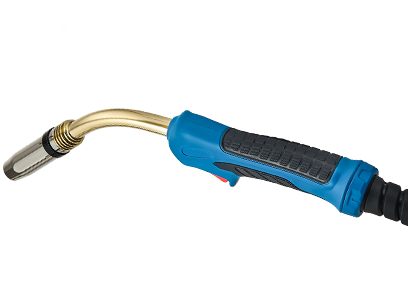
When it comes to MIG welding, the torch is one of the most crucial components that directly impacts the quality and efficiency of your work. Over time, wear and tear can affect the performance of the MIG torch, leading to subpar welding results. Understanding when and how to perform a MIG torch replacement is essential for maintaining optimal performance in your welding tasks.
**Signs It’s Time fo
When it comes to MIG welding, the torch is one of the most crucial components that directly impacts the quality and efficiency of your work. Over time, wear and tear can affect the performance of the MIG torch, leading to subpar welding results. Understanding when and how to perform a MIG torch replacement is essential for maintaining optimal performance in your welding tasks.
**Signs It’s Time for a MIG Torch Replacement**
One of the first indicators that your MIG torch may need replacing is the occurrence of poor arc stability. If you notice that the arc frequently fluctuates or fails to ignite, it may be a sign of wear in the contact tip, nozzle, or even the entire torch assembly. Additionally, excessive spatter during welding can indicate that the nozzle is damaged or that there is an issue with the gas flow. If you observe these symptoms, it’s crucial to assess the condition of your torch.
Another key factor to consider is the length of time you’ve been using your MIG torch. Regular use over an extended period can lead to a decrease in performance. If your torch is several years old, even if it appears to be functioning well, it might be worth exploring a replacement to ensure you’re achieving the best results.
**Choosing the Right Replacement Torch**
When it comes to MIG torch replacement, selecting the right product is essential. There are various torch styles and sizes available, each designed for different applications and welding conditions. Before making a purchase, consider the type of welding you frequently perform, as well as the materials you work with. For example, if you primarily work with thinner metals, a smaller, lightweight torch may be suitable, whereas heavier materials may require a more robust design.
It’s also important to ensure compatibility between the replacement torch and your welding machine. This means checking the specifications of both the torch and the machine to avoid any issues during use. Many manufacturers provide detailed guides and recommendations to help you find the right fit.
**Maintenance Tips for Longevity**
To prolong the life of your new MIG torch, proper care and maintenance are key. Regularly clean the contact tip and nozzle to prevent build-up that could affect performance. Ensure that the gas flow is properly adjusted to minimize spatter and improve arc stability. Additionally, inspect the electrical connections and cables for any signs of wear or damage.
In conclusion, understanding the necessity and process of MIG torch replacement is vital for anyone involved in welding. By recognizing the signs of wear, choosing the right replacement, and maintaining your equipment, you can ensure that your welding tasks are efficient and produce high-quality results.
TAG:
Related Posts
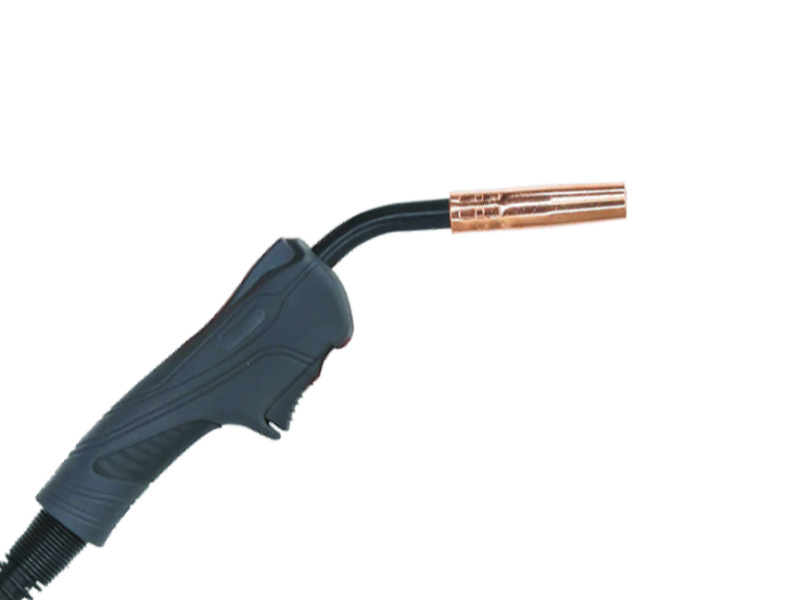
Essential Guide to MIG Torch Replacement: Ensuring Optimal Performance in Welding
When it comes to MIG welding, the torch is one of the most crucial components that directly impacts the quality and efficiency of your work. Over time, wear and tear can affect the performance of the MIG torch, leading to subpar welding results. Understanding when and how to perform a MIG torch replacement is essential for maintaining optimal performance in your welding tasks.
**Signs It’s Time fo

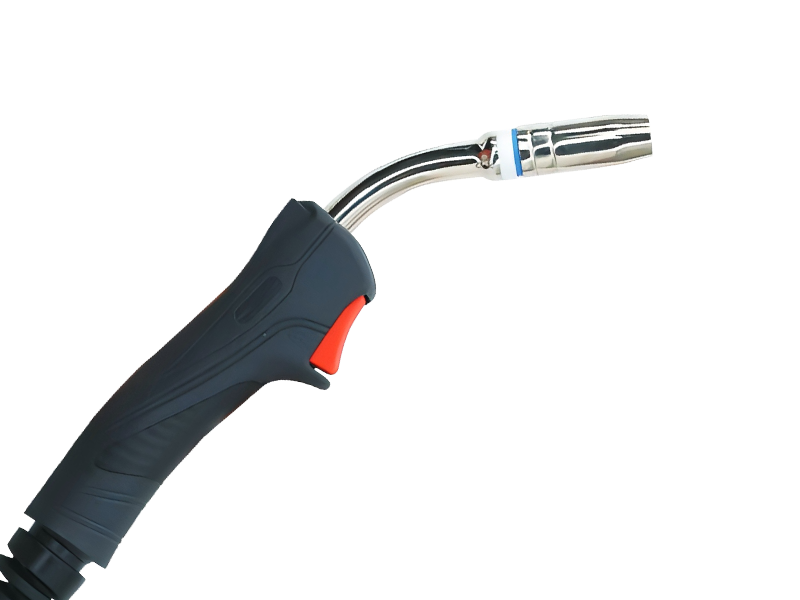

MESSAGES
We will contact you within one working day. Please pay attention to your email.
Qucik Link
Contact
WhatsApp: +8615833370366
E-mail: zhaoyiqian@trevor-welding.com
Address: No. 105 Yongming Street, Dahe Road, East of Renqiu City, Hebei, China


