
The Essential Role of MIG Welding Torch Accessories in Professional Projects
2026-11-18


The Essential Role of MIG Welding Torch Accessories in Professional Projects
Table of Contents
1. Introduction to MIG Welding Torch Accessories
2. Importance of MIG Welding Torch Accessories in Professional Projects
3. Types of MIG Welding Torch Accessories
3.1. Nozzles
3.2. Contact Tips
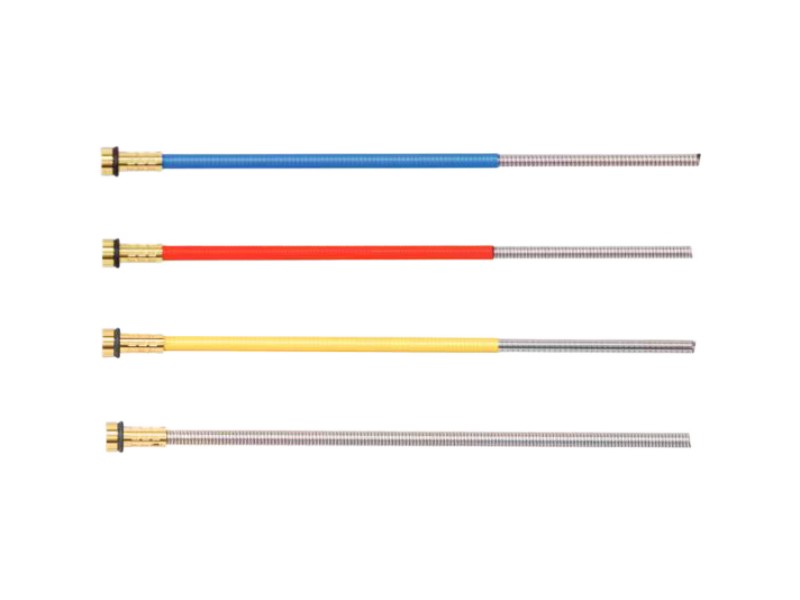
3.3. Liners
3.4. Diffusers
3.
The Essential Role of MIG Welding Torch Accessories in Professional Projects
Table of Contents
- 1. Introduction to MIG Welding Torch Accessories
- 2. Importance of MIG Welding Torch Accessories in Professional Projects
- 3. Types of MIG Welding Torch Accessories
- 4. Choosing the Right MIG Welding Torch Accessories
- 5. Maintenance Tips for MIG Welding Torch Accessories
- 6. Troubleshooting Common Issues with MIG Welding Torch Accessories
- 7. Applications of MIG Welding Torch Accessories
- 8. Conclusion
- 9. Frequently Asked Questions
1. Introduction to MIG Welding Torch Accessories
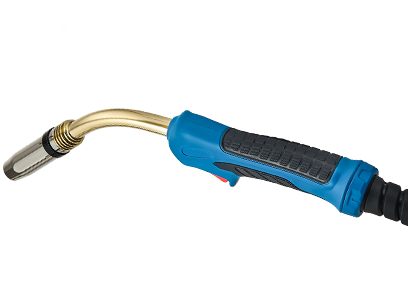
MIG (Metal Inert Gas) welding is one of the most popular welding techniques used in various industries, from automotive to construction. It is renowned for its speed, versatility, and ease of use. However, the performance and efficiency of MIG welding are significantly influenced by the quality and type of accessories used with the welding torch. These accessories play a pivotal role in determining the quality of the weld, the efficiency of the operation, and the overall safety of the welding process.
In this article, we will delve into **the essential MIG welding torch accessories**, their importance in professional projects, and how to select and maintain these components for optimal performance.
2. Importance of MIG Welding Torch Accessories in Professional Projects
The significance of MIG welding torch accessories cannot be overstated. Each accessory is designed to enhance specific aspects of the welding process, ensuring that welds are strong, consistent, and free from defects. Here are some reasons why investing in high-quality MIG welding torch accessories is crucial for professional projects:
Quality Welds
Using the right accessories can significantly improve the quality of welds. For instance, high-quality nozzles and contact tips ensure a consistent arc, which is essential for a smooth and uniform weld bead.
Increased Efficiency
Proper accessories can enhance the efficiency of the welding process. For example, a well-maintained liner reduces friction, allowing for smoother wire feeding and minimizing downtime.
Enhanced Safety
Safety is paramount in any welding operation. Accessories like gas hoses must be reliable and free from leaks to ensure the welder's safety. Properly functioning components reduce the risk of accidents and injuries.
Versatility
Various MIG welding torch accessories allow welders to adapt their equipment to different tasks and materials. This versatility is crucial in professional settings where diverse welding jobs are common.
3. Types of MIG Welding Torch Accessories
Understanding the different types of MIG welding torch accessories is essential for selecting the right components for your projects. Here are the most common types:
3.1. Nozzles
MIG welding nozzles are designed to direct the shielding gas around the weld pool, protecting it from atmospheric contamination. There are two primary types of nozzles:
- **Gas Nozzles:** These help in delivering the shielding gas effectively.
- **Contact Nozzles:** These are used to guide the welding wire and help maintain the proper distance between the workpiece and the torch.
Choosing the right nozzle size and type affects the quality of the weld and the amount of spatter produced.
3.2. Contact Tips
Contact tips are crucial for transmitting the welding current from the torch to the welding wire. They come in various sizes to accommodate different wire diameters. A good contact tip not only improves arc stability but also helps in achieving a consistent feed rate.
3.3. Liners
Welding liners are found within the torch and guide the welding wire to the contact tip. They play a crucial role in ensuring smooth wire feeding. There are different liner types available, including solid and teflon liners, each suitable for specific applications.
3.4. Diffusers
Diffusers are used to distribute shielding gas evenly over the weld area. By ensuring an even gas flow, diffusers help in preventing porosity and enhancing the quality of the weld.
3.5. Gas Hoses
Gas hoses deliver the shielding gas from the cylinder to the torch. Quality gas hoses are flexible, durable, and resistant to heat and abrasion. Regular inspection and maintenance of gas hoses are essential to prevent leaks and ensure safety.
4. Choosing the Right MIG Welding Torch Accessories
When selecting MIG welding torch accessories, several factors come into play:
Welding Material
Different materials require specific accessories. For example, aluminum welds may need different nozzles and contact tips than steel welds.
Welding Wire Size
Ensure that the contact tips and liners match the diameter of the welding wire you are using. Mismatched sizes can lead to feeding issues and poor weld quality.
Application Type
Consider the specific tasks you will be performing. Accessories designed for heavy-duty applications may be more suitable for industrial projects compared to lighter ones used for hobbyist work.
Brand Compatibility
Not all accessories are universally compatible with every MIG welding torch. Always check the manufacturer's specifications to ensure that the accessories you choose are designed for your torch model.
5. Maintenance Tips for MIG Welding Torch Accessories
Proper maintenance of MIG welding torch accessories is crucial for ensuring their longevity and optimal performance. Here are some essential maintenance tips:
Regular Inspection
Inspect all accessories regularly for signs of wear and tear. Look for cracks, corrosion, or any damage that could affect performance.
Keep Components Clean
Contaminants can greatly affect the quality of the weld. Regularly clean nozzles, contact tips, and liners to remove any buildup of spatter or debris.
Replace Worn Parts
If you notice any accessories showing signs of wear, replace them immediately. Using worn components can lead to poor weld quality and increased downtime.
Store Properly
Ensure that all accessories are stored in a clean, dry place to prevent damage. Avoid exposing them to extreme temperatures or moisture.
6. Troubleshooting Common Issues with MIG Welding Torch Accessories
Even with the best accessories, issues can arise during the welding process. Here are some common problems and their solutions:
Wire Feeding Problems
If the welding wire is not feeding smoothly, check the liner for obstructions and ensure it is properly installed. Also, inspect the contact tip for wear.
Inconsistent Arc
An inconsistent arc can result from a dirty contact tip or an improperly sized nozzle. Regular cleaning and maintenance can resolve this issue.
Excessive Spatter
If you notice excessive spatter, it may be due to incorrect gas flow or a mismatch between the nozzle and the welding wire. Adjust the gas flow and ensure the nozzle is compatible.
Poor Weld Quality
Poor weld quality can be attributed to several factors, including incorrect settings, damaged accessories, or improper technique. Review your settings and inspect all components for damage.
7. Applications of MIG Welding Torch Accessories
MIG welding torch accessories are utilized across various industries and applications. Understanding these applications can help you choose the right accessories for your needs:
Automotive Industry
In the automotive industry, MIG welding is commonly used for body repairs, frame work, and exhaust systems. High-quality accessories ensure strong, reliable welds that can withstand various stresses.
Construction
In construction, MIG welding is employed for structural welding, metal fabrication, and pipe welding. Accessories that enhance efficiency and quality are critical in this fast-paced environment.
Aerospace
The aerospace industry demands high precision and quality in welds. Specialized MIG welding torch accessories are used to meet stringent safety and performance standards.
Fabrication Shops
Fabrication shops utilize MIG welding for creating custom metal products. Versatile accessories enable welders to adapt to various project requirements efficiently.
8. Conclusion
MIG welding torch accessories play a critical role in the success of professional welding projects. By understanding the importance of these components, selecting the right accessories, and maintaining them properly, welders can ensure high-quality results and enhanced efficiency. Investing in quality MIG welding torch accessories not only improves the welding process but also contributes to the overall safety and longevity of the equipment.
9. Frequently Asked Questions
1. What is the most critical accessory for MIG welding?
The most critical accessory is arguably the contact tip, as it directly impacts the quality of the weld by ensuring stable current transmission.
2. How often should I replace my MIG welding torch accessories?
It is advisable to inspect and potentially replace accessories regularly, especially if you notice signs of wear or performance issues.
3. Can I use any brand of accessories with my MIG welding torch?
No, it’s essential to use accessories that are compatible with your specific torch model. Always check the manufacturer’s specifications.
4. How do I clean my MIG welding torch accessories?
Use a wire brush or appropriate cleaning tools to remove spatter and debris from nozzles and contact tips regularly.
5. Why is my MIG welder producing excessive spatter?
Excessive spatter can be caused by incorrect gas flow, improper settings, or using worn out accessories. Adjust settings and inspect components to resolve the issue.
By focusing on the role and importance of MIG welding torch accessories, we can enhance our understanding of their impact on welding projects, ensuring a more effective and safe welding process.
TAG:
Previous:
Related Posts
The Essential Role of MIG Welding Torch Accessories in Professional Projects
The Essential Role of MIG Welding Torch Accessories in Professional Projects
Table of Contents
1. Introduction to MIG Welding Torch Accessories
2. Importance of MIG Welding Torch Accessories in Professional Projects
3. Types of MIG Welding Torch Accessories
3.1. Nozzles
3.2. Contact Tips
3.3. Liners
3.4. Diffusers
3.
MESSAGES
We will contact you within one working day. Please pay attention to your email.
Qucik Link
Contact
WhatsApp: +8615833370366
E-mail: zhaoyiqian@trevor-welding.com
Address: No. 105 Yongming Street, Dahe Road, East of Renqiu City, Hebei, China


