
Essential Equipment for MIG Welding: A Comprehensive Guide
2026-01-07


MIG welding, also known as Gas Metal Arc Welding (GMAW), is a widely used welding process known for its speed and versatility. To achieve the best results, several key pieces of equipment are essential for effective and safe MIG welding.
**1. MIG Welder:** The heart of any MIG welding operation is the MIG welder itself. These machines are designed to feed a continuous wire electrode through a nozz
MIG welding, also known as Gas Metal Arc Welding (GMAW), is a widely used welding process known for its speed and versatility. To achieve the best results, several key pieces of equipment are essential for effective and safe MIG welding.
**1. MIG Welder:** The heart of any MIG welding operation is the MIG welder itself. These machines are designed to feed a continuous wire electrode through a nozzle while simultaneously supplying a shielding gas. When selecting a MIG welder, consider factors such as duty cycle, amperage range, and portability. Different models cater to various materials and thicknesses, from thin aluminum to thicker steel.
**2. Welding Wire:** The type of welding wire chosen is crucial for successful MIG welding. Common wire types include ER70S-6 for carbon steel applications and ER4047 for aluminum. The wire's diameter typically ranges from 0.023 inches to 0.045 inches. Selecting the appropriate wire is vital to ensure proper penetration and weld quality.
**3. Shielding Gas:** The shielding gas protects the molten weld pool from atmospheric contamination. Commonly used gases include argon, carbon dioxide, or a mixture of both. The choice of gas affects the weld’s appearance and properties, so it’s important to match the gas type to the materials being welded.
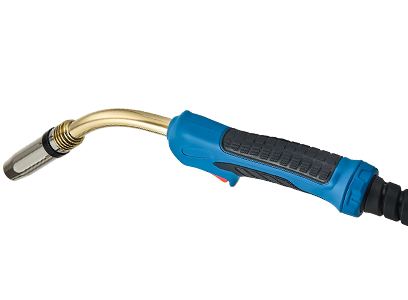
**4. Welding Gun:** The welding gun is the tool that delivers the wire and shielding gas. Various styles exist, including push-pull and spool gun designs, which can accommodate different welding needs. An ergonomic design can enhance comfort during extended welding sessions, resulting in improved precision and control.
**5. Personal Protective Equipment (PPE):** Safety cannot be overlooked in MIG welding. Essential PPE includes a welding helmet with an appropriate shade, gloves, and flame-resistant clothing. A high-quality welding helmet equipped with an auto-darkening feature can significantly improve visibility and safety.
**6. Work Surface and Clamps:** A stable work surface is essential for accurate welding. Clamps or fixture systems can help secure the workpieces, reducing movement and ensuring consistent welds. This setup is particularly important when dealing with larger or irregularly shaped components.
**7. Cleaning Tools:** Proper preparation of the metal surfaces is critical for achieving strong welds. Wire brushes, grinders, and chemical cleaners can remove rust, paint, and contaminants, ensuring optimal adhesion of the weld.
**Conclusion:** Understanding the essential equipment for MIG welding is critical for professionals in the electrical and welding industry. By selecting the right MIG welder, wire, shielding gas, and protective gear, welders can enhance their efficiency and safety, ultimately leading to superior results on the job. Investing in quality equipment and adhering to best practices is key to mastering the art of MIG welding.
**1. MIG Welder:** The heart of any MIG welding operation is the MIG welder itself. These machines are designed to feed a continuous wire electrode through a nozzle while simultaneously supplying a shielding gas. When selecting a MIG welder, consider factors such as duty cycle, amperage range, and portability. Different models cater to various materials and thicknesses, from thin aluminum to thicker steel.
**2. Welding Wire:** The type of welding wire chosen is crucial for successful MIG welding. Common wire types include ER70S-6 for carbon steel applications and ER4047 for aluminum. The wire's diameter typically ranges from 0.023 inches to 0.045 inches. Selecting the appropriate wire is vital to ensure proper penetration and weld quality.
**3. Shielding Gas:** The shielding gas protects the molten weld pool from atmospheric contamination. Commonly used gases include argon, carbon dioxide, or a mixture of both. The choice of gas affects the weld’s appearance and properties, so it’s important to match the gas type to the materials being welded.
**4. Welding Gun:** The welding gun is the tool that delivers the wire and shielding gas. Various styles exist, including push-pull and spool gun designs, which can accommodate different welding needs. An ergonomic design can enhance comfort during extended welding sessions, resulting in improved precision and control.
**5. Personal Protective Equipment (PPE):** Safety cannot be overlooked in MIG welding. Essential PPE includes a welding helmet with an appropriate shade, gloves, and flame-resistant clothing. A high-quality welding helmet equipped with an auto-darkening feature can significantly improve visibility and safety.
**6. Work Surface and Clamps:** A stable work surface is essential for accurate welding. Clamps or fixture systems can help secure the workpieces, reducing movement and ensuring consistent welds. This setup is particularly important when dealing with larger or irregularly shaped components.
**7. Cleaning Tools:** Proper preparation of the metal surfaces is critical for achieving strong welds. Wire brushes, grinders, and chemical cleaners can remove rust, paint, and contaminants, ensuring optimal adhesion of the weld.
**Conclusion:** Understanding the essential equipment for MIG welding is critical for professionals in the electrical and welding industry. By selecting the right MIG welder, wire, shielding gas, and protective gear, welders can enhance their efficiency and safety, ultimately leading to superior results on the job. Investing in quality equipment and adhering to best practices is key to mastering the art of MIG welding.
TAG:
Related Posts
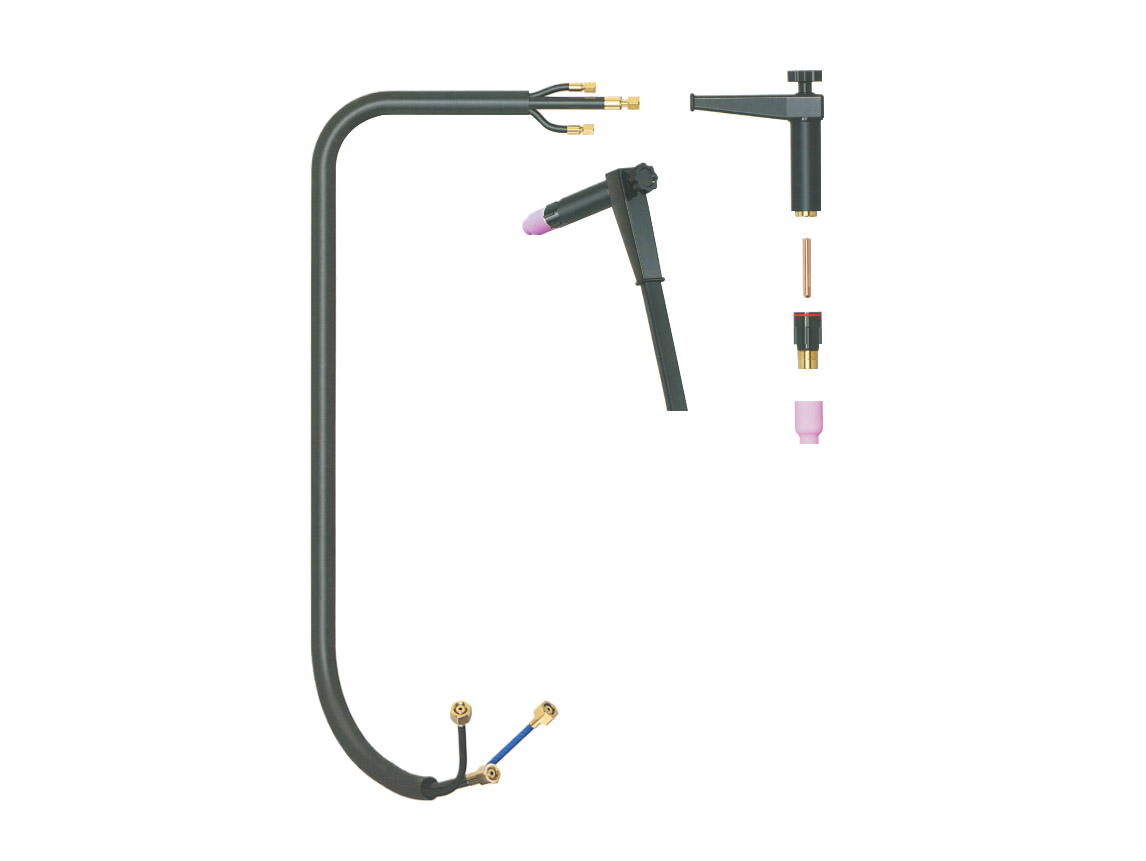
Selecting Your TIG Consumables Kit: Essential Factors to Consider for Optimal Welding Performance
Selecting Your TIG Consumables Kit: Essential Factors to Consider for Optimal Welding Performance
When it comes to TIG welding, your choice of consumables can significantly impact the quality of your work. Whether you’re a seasoned professional or a hobbyist, selecting the right TIG consumables kit is crucial for achieving optimal results. This article dives deep into the essential factors you sho

MESSAGES
We will contact you within one working day. Please pay attention to your email.
Qucik Link
Contact
WhatsApp: +8615833370366
E-mail: zhaoyiqian@hrwelding.cn
Address: No. 105 Yongming Street, Dahe Road, East of Renqiu City, Hebei, China