
The Future of Welding: Harnessing AI to Revolutionize MIG Welding Robots
2026-01-10


The Future of Welding: Harnessing AI to Revolutionize MIG Welding Robots
Table of Contents
1. Introduction to MIG Welding and Its Importance
2. Understanding AI and Its Role in Welding Technology
3. Benefits of Integrating AI into MIG Welding Robots
4. How AI is Revolutionizing MIG Welding Processes
5. Challenges Associated with AI Integration in Welding
6.
The Future of Welding: Harnessing AI to Revolutionize MIG Welding Robots
Table of Contents
- 1. Introduction to MIG Welding and Its Importance
- 2. Understanding AI and Its Role in Welding Technology
- 3. Benefits of Integrating AI into MIG Welding Robots
- 4. How AI is Revolutionizing MIG Welding Processes
- 5. Challenges Associated with AI Integration in Welding
- 6. Future Innovations in MIG Welding Technology
- 7. Case Studies: Successful AI Integration in Welding
- 8. Conclusion
- 9. FAQs
1. Introduction to MIG Welding and Its Importance
MIG welding, an abbreviation for Metal Inert Gas welding, is a widely used welding process in various industries due to its efficiency and versatility. It employs a continuous wire feed as an electrode and utilizes a shielding gas to provide a protective atmosphere during the welding process. The increasing demand for high-quality welds in automotive, aerospace, and construction sectors emphasizes the necessity for precision and consistency — attributes that MIG welding excels at.
The integration of modern technologies such as artificial intelligence (AI) is set to reshape the landscape of MIG welding. As industries strive for enhanced productivity, reduced operational costs, and superior quality, the fusion of AI with MIG welding robots presents an unprecedented opportunity.
2. Understanding AI and Its Role in Welding Technology
Artificial Intelligence refers to the simulation of human intelligence processes by machines, particularly computer systems. In the realm of welding, AI encompasses machine learning, data analytics, and real-time monitoring systems. The implementation of AI technologies enables MIG welding robots to adapt to varying conditions, make informed decisions, and improve their performance without human intervention.
Advanced algorithms analyze data from sensors embedded in welding equipment, recognizing patterns and predicting outcomes. Such capabilities not only optimize welding parameters but also significantly reduce the likelihood of defects, thereby enhancing the quality of the welds produced.
3. Benefits of Integrating AI into MIG Welding Robots
The integration of AI into MIG welding robots yields numerous benefits that collectively enhance productivity and quality:
3.1 Increased Efficiency and Speed
AI-enabled MIG welding robots can operate at higher speeds with improved accuracy. This efficiency allows manufacturers to meet tighter production deadlines without compromising quality.
3.2 Enhanced Precision and Quality Control
AI systems continually monitor the welding process, ensuring that parameters such as temperature and speed are optimized in real time. This level of precision minimizes the risk of defects, ensuring high-quality welds.
3.3 Predictive Maintenance
With AI, welding robots can predict when maintenance is required based on usage patterns and performance metrics. This proactive approach reduces downtime and extends the lifespan of the equipment.
3.4 Cost Savings
Overall operational costs decrease as AI minimizes waste and reduces the need for rework due to defects. Manufacturers can allocate resources more efficiently, improving their bottom line.
3.5 Improved Safety
AI can enhance safety by monitoring environmental conditions and operator actions. It can alert operators to potential hazards, thereby reducing workplace accidents.
4. How AI is Revolutionizing MIG Welding Processes
The traditional MIG welding process can be significantly improved through the integration of AI technologies. Here are some ways in which AI is transforming MIG welding operations:
4.1 Real-Time Data Analysis
AI systems analyze vast amounts of data collected from sensors during the welding process. This real-time analysis helps to identify inefficiencies and allows for immediate adjustments, leading to optimal welding conditions.
4.2 Automated Adjustments
Modern MIG welding robots equipped with AI can automatically adjust parameters such as voltage, wire feed speed, and travel speed based on real-time feedback. This adaptability enhances the robot's ability to perform in varying conditions.
4.3 Intelligent Learning Systems
AI-driven welding robots can learn from previous welding jobs. By analyzing past data, they can optimize future operations, continuously improving their performance and efficiency over time.
4.4 Enhanced Vision Systems
AI-powered vision systems can detect defects and deviations in real time, ensuring that any issues are addressed immediately. This capability is essential for maintaining high standards in quality control.
5. Challenges Associated with AI Integration in Welding
Despite the advantages, integrating AI into MIG welding processes presents several challenges:
5.1 High Initial Investment
The cost of implementing AI technology can be significant. Companies must weigh the benefits against the initial investment required for advanced equipment and training.
5.2 Skill Gap
There is a notable lack of skilled professionals who can manage and maintain AI-driven welding systems. This gap necessitates comprehensive training programs to equip staff with the required knowledge and skills.
5.3 Data Security Concerns
As AI systems rely on data collection and analysis, there are concerns regarding data security and privacy. Manufacturers must implement robust cybersecurity measures to protect sensitive information.
5.4 Dependence on Technology
An increased reliance on AI may lead to vulnerabilities if systems fail. Companies must develop contingency plans to address potential technical issues.
6. Future Innovations in MIG Welding Technology
The future of MIG welding is poised for significant innovations driven by AI advancements. Some expected trends include:
6.1 Collaborative Robots (Cobots)
The emergence of collaborative robots designed to work alongside human operators will enhance the flexibility and efficiency of welding operations. These cobots will leverage AI to ensure safety and efficiency while performing complex tasks.
6.2 Advanced Simulation Tools
AI will enable the development of sophisticated simulation tools that allow manufacturers to simulate welding scenarios. This capability will optimize welding parameters before actual production, reducing trial and error.
6.3 Integration with Internet of Things (IoT)
The integration of MIG welding robots with IoT devices will enable seamless communication between machines. This connectivity will facilitate better data sharing and enhance decision-making processes.
6.4 Virtual Reality Training
AI-driven virtual reality training programs will become more prevalent, allowing operators to practice in simulated environments. This training will reduce the learning curve and improve safety protocols.
7. Case Studies: Successful AI Integration in Welding
Real-world examples illustrate the successful integration of AI in MIG welding. Companies leading the way include:
7.1 Company A: Boosting Productivity
Company A implemented AI-driven MIG welding robots, resulting in a 30% increase in productivity. The robots' ability to adapt to real-time conditions dramatically reduced production time.
7.2 Company B: Enhancing Quality
Company B integrated AI technology into their welding processes, which reduced defects by 40%. The predictive maintenance feature of their AI systems minimized downtime and improved overall product quality.
7.3 Company C: Cost Reduction
By adopting AI in their welding operations, Company C was able to cut operational costs by 25%. The enhanced efficiency and quality control mechanisms contributed significantly to their bottom line.
8. Conclusion
The integration of artificial intelligence into MIG welding robots is not just a trend; it represents a significant shift in the welding industry. As we move forward, embracing these advancements will be crucial for manufacturers seeking to remain competitive. AI’s ability to enhance efficiency, precision, and quality control will undoubtedly reshape the future of welding. By overcoming the associated challenges and continuously innovating, the welding industry can harness AI's full potential, ensuring a sustainable and prosperous future.
9. FAQs
What is MIG welding?
MIG welding, or Metal Inert Gas welding, is a welding process that uses a continuous wire feed and shielding gas to create a strong weld.
How does AI improve MIG welding quality?
AI enhances MIG welding quality by analyzing real-time data and making automated adjustments to welding parameters, resulting in greater precision and fewer defects.
What are the challenges of using AI in welding?
Challenges include high initial investments, skill gaps, data security concerns, and potential over-reliance on technology.
Are there any safety benefits to using AI in welding?
Yes, AI can monitor environmental conditions and operator actions to enhance workplace safety and reduce the risk of accidents.
What does the future hold for MIG welding technology?
The future of MIG welding includes innovations such as collaborative robots, advanced simulation tools, IoT integration, and virtual reality training programs.
This comprehensive exploration of the integration of AI in MIG welding robots aims to provide insights into the future of welding technology, highlighting both the potential benefits and challenges of adopting AI in this critical industry.
TAG:
Related Posts
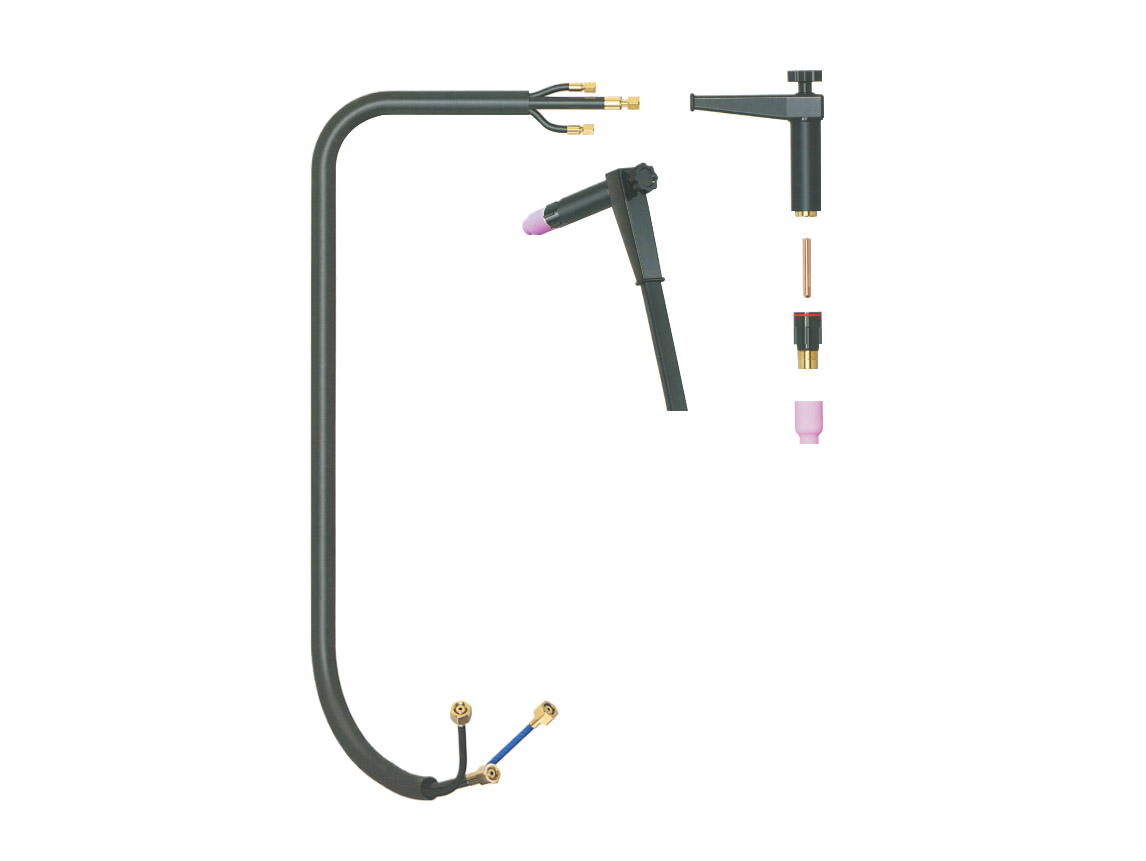
Selecting Your TIG Consumables Kit: Essential Factors to Consider for Optimal Welding Performance
Selecting Your TIG Consumables Kit: Essential Factors to Consider for Optimal Welding Performance
When it comes to TIG welding, your choice of consumables can significantly impact the quality of your work. Whether you’re a seasoned professional or a hobbyist, selecting the right TIG consumables kit is crucial for achieving optimal results. This article dives deep into the essential factors you sho

MESSAGES
We will contact you within one working day. Please pay attention to your email.
Qucik Link
Contact
WhatsApp: +8615833370366
E-mail: zhaoyiqian@hrwelding.cn
Address: No. 105 Yongming Street, Dahe Road, East of Renqiu City, Hebei, China