
Understanding TIG Torch Hoses: Essential Knowledge for Welders
2026-10-04


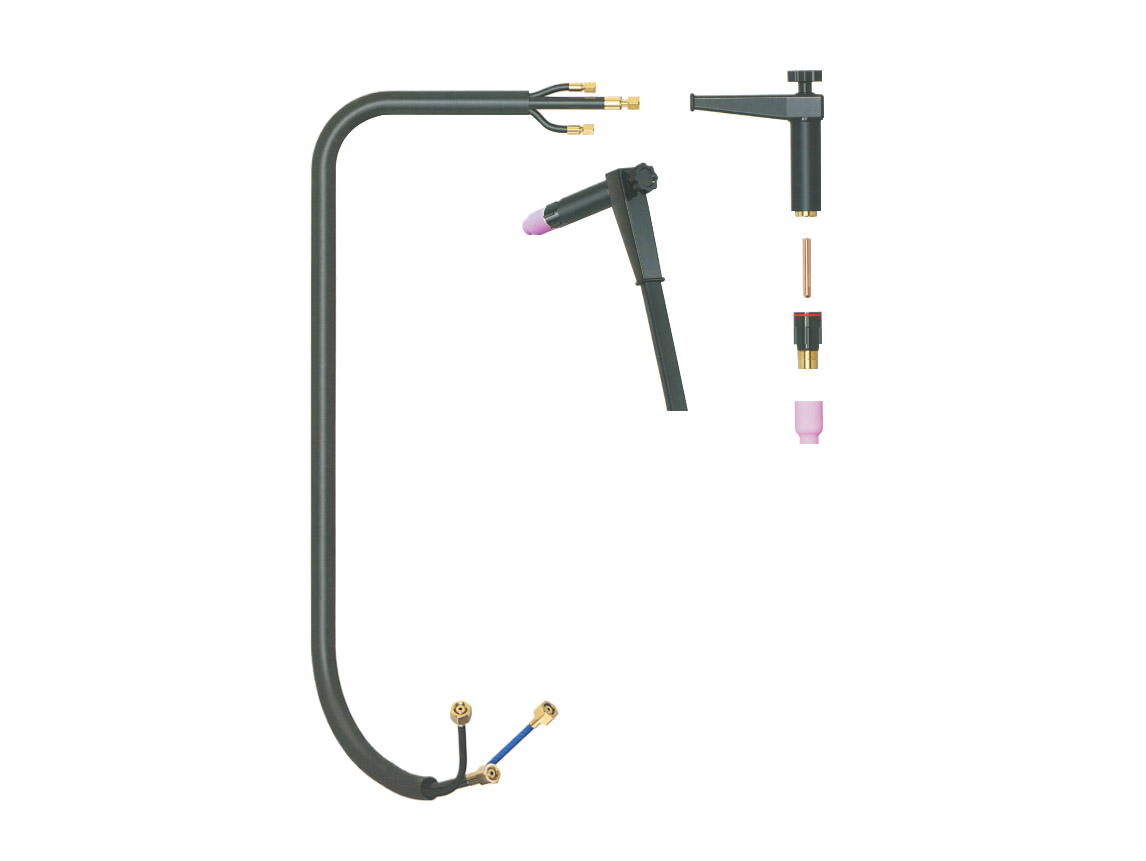
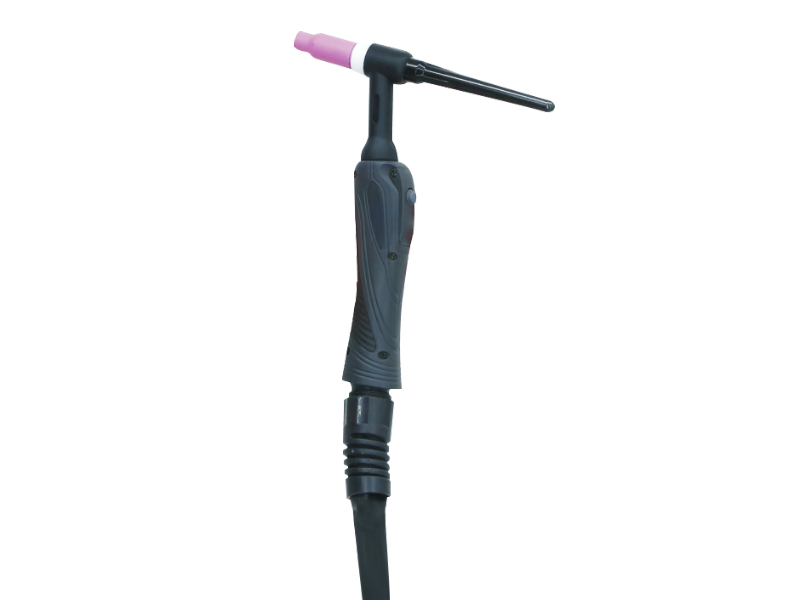
TIG torch hoses are vital components in the welding process, particularly for tungsten inert gas (TIG) welding, which is known for its precision and versatility. These hoses transport the shielding gas, which is crucial for protecting the weld pool from atmospheric contamination. Understanding the specifications and maintenance of TIG torch hoses can significantly impact your welding efficiency an
TIG torch hoses are vital components in the welding process, particularly for tungsten inert gas (TIG) welding, which is known for its precision and versatility. These hoses transport the shielding gas, which is crucial for protecting the weld pool from atmospheric contamination. Understanding the specifications and maintenance of TIG torch hoses can significantly impact your welding efficiency and quality.
Firstly, the most common materials used for TIG torch hoses are rubber and thermoplastic. Rubber hoses are generally more durable and resistant to wear and tear, making them suitable for heavy-duty applications. Thermoplastic hoses, while lighter and more flexible, offer good resistance to chemicals and are often preferred for applications requiring mobility. Selecting the right material based on your working environment and application is key to ensuring longevity and performance.
When it comes to the diameter of TIG torch hoses, it is essential to match the hose size with your TIG torch specifications. A hose that is too small may restrict gas flow, leading to poor weld quality, while a hose that is too large may lead to gas turbulence and contamination. Most standard TIG welding setups typically use hoses with a diameter of 3/16 inches to 1/4 inch, but it's always best to consult the manufacturer's recommendations for your specific equipment.
Gas type is another significant factor affecting the performance of TIG torch hoses. Argon is the most commonly used shielding gas in TIG welding due to its inert properties, which help to create a clean and stable arc. Ensure that the hose you select is compatible with the type of gas you intend to use to avoid leaks and potential hazards.
Regular maintenance of TIG torch hoses is crucial for ensuring optimal performance. Inspecting hoses for cracks, leaks, and wear is essential, as any damage can lead to gas leaks and compromised welds. If you notice any signs of wear, replacing the hose promptly will help maintain safety standards and welding integrity. Additionally, keeping the hoses clean and free from contaminants will further enhance their lifespan.
Lastly, proper storage of TIG torch hoses is vital. Avoid storing them in areas exposed to extreme temperatures or direct sunlight, as this can deteriorate the material over time. Instead, coiling the hoses without sharp bends or kinks can prevent unnecessary stress on the material.
In conclusion, understanding the intricacies of TIG torch hoses—such as material selection, sizing, gas compatibility, maintenance, and storage—can greatly impact your welding outcomes. By prioritizing these factors, you can ensure that your welding projects are executed with precision and reliability, ultimately enhancing your skillset and productivity in the field of welding.
Firstly, the most common materials used for TIG torch hoses are rubber and thermoplastic. Rubber hoses are generally more durable and resistant to wear and tear, making them suitable for heavy-duty applications. Thermoplastic hoses, while lighter and more flexible, offer good resistance to chemicals and are often preferred for applications requiring mobility. Selecting the right material based on your working environment and application is key to ensuring longevity and performance.
When it comes to the diameter of TIG torch hoses, it is essential to match the hose size with your TIG torch specifications. A hose that is too small may restrict gas flow, leading to poor weld quality, while a hose that is too large may lead to gas turbulence and contamination. Most standard TIG welding setups typically use hoses with a diameter of 3/16 inches to 1/4 inch, but it's always best to consult the manufacturer's recommendations for your specific equipment.
Gas type is another significant factor affecting the performance of TIG torch hoses. Argon is the most commonly used shielding gas in TIG welding due to its inert properties, which help to create a clean and stable arc. Ensure that the hose you select is compatible with the type of gas you intend to use to avoid leaks and potential hazards.
Regular maintenance of TIG torch hoses is crucial for ensuring optimal performance. Inspecting hoses for cracks, leaks, and wear is essential, as any damage can lead to gas leaks and compromised welds. If you notice any signs of wear, replacing the hose promptly will help maintain safety standards and welding integrity. Additionally, keeping the hoses clean and free from contaminants will further enhance their lifespan.
Lastly, proper storage of TIG torch hoses is vital. Avoid storing them in areas exposed to extreme temperatures or direct sunlight, as this can deteriorate the material over time. Instead, coiling the hoses without sharp bends or kinks can prevent unnecessary stress on the material.
In conclusion, understanding the intricacies of TIG torch hoses—such as material selection, sizing, gas compatibility, maintenance, and storage—can greatly impact your welding outcomes. By prioritizing these factors, you can ensure that your welding projects are executed with precision and reliability, ultimately enhancing your skillset and productivity in the field of welding.
TAG:
Related Posts

Understanding TIG Torch Hoses: Essential Knowledge for Welders
TIG torch hoses are vital components in the welding process, particularly for tungsten inert gas (TIG) welding, which is known for its precision and versatility. These hoses transport the shielding gas, which is crucial for protecting the weld pool from atmospheric contamination. Understanding the specifications and maintenance of TIG torch hoses can significantly impact your welding efficiency an
MESSAGES
We will contact you within one working day. Please pay attention to your email.
Qucik Link
Contact
WhatsApp: +8615833370366
E-mail: zhaoyiqian@hrwelding.cn
Address: No. 105 Yongming Street, Dahe Road, East of Renqiu City, Hebei, China