
Enhancing Your Skills: Advanced Techniques for 250 Amp TIG Welding
2026-10-07


Enhancing Your Skills: Advanced Techniques for 250 Amp TIG Welding
Table of Contents
1. Introduction to 250 Amp TIG Welding
2. Understanding TIG Welding: A Brief Overview
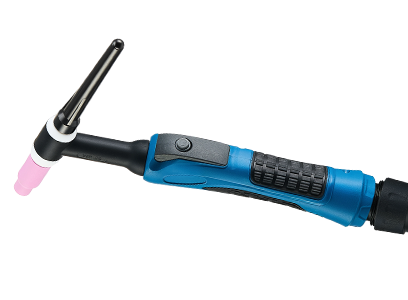
3. Essential Equipment for 250 Amp TIG Welding
4. Preparation Techniques: Setting Up for Success
5. Advanced Welding Techniques for Enhanced Performance
5.1 Mastering Control and Precisio
Enhancing Your Skills: Advanced Techniques for 250 Amp TIG Welding
Table of Contents
- 1. Introduction to 250 Amp TIG Welding
- 2. Understanding TIG Welding: A Brief Overview
- 3. Essential Equipment for 250 Amp TIG Welding
- 4. Preparation Techniques: Setting Up for Success
- 5. Advanced Welding Techniques for Enhanced Performance
- 5.1 Mastering Control and Precision
- 5.2 Controlling Weld Heat for Optimal Results
- 5.3 The Use of Fillers in TIG Welding
- 6. Common Challenges in 250 Amp TIG Welding
- 7. Troubleshooting Tips for TIG Welders
- 8. Safety Considerations in TIG Welding
- 9. Conclusion
- 10. Frequently Asked Questions (FAQs)
1. Introduction to 250 Amp TIG Welding
TIG (Tungsten Inert Gas) welding is renowned for its versatility and high-quality welds. When working with materials that require precision and finesse, having a machine capable of delivering up to **250 amps** is crucial. This level of power allows welders to tackle a variety of metals, including aluminum, stainless steel, and even thicker materials. In this guide, we will explore advanced techniques that can help you enhance your TIG welding skills, particularly at the 250 Amp level.
2. Understanding TIG Welding: A Brief Overview
TIG welding employs a non-consumable tungsten electrode and an inert gas, usually argon, to protect the weld area from contamination. This process provides excellent control over the weld pool, allowing for precise application. Understanding the fundamentals of TIG welding is essential before diving into advanced techniques. Here’s a deeper look at how it works and why it’s beneficial:
2.1 The Process of TIG Welding
The TIG welding process begins by creating an arc between the tungsten electrode and the workpiece. As the metal heats up, it melts and forms a puddle. Adding filler metal during this process allows for a stronger bond. The inert gas shields the weld from oxidation, ensuring a clean, strong weld.
2.2 Advantages of TIG Welding
TIG welding offers numerous advantages, including:
- **Precision**: Ideal for intricate designs and thin materials.
- **Versatility**: Works on various metals and alloys.
- **Quality**: Produces clean, strong welds with minimal spatter.
3. Essential Equipment for 250 Amp TIG Welding
Proper equipment is vital for achieving high-quality welds. Below are the essential components you'll need for effective 250 Amp TIG welding:
3.1 TIG Welder
A reliable TIG welder capable of delivering up to 250 amps is non-negotiable. Look for features such as AC/DC capability, adjustable amperage settings, and pulse welding options.
3.2 Tungsten Electrodes
Using the correct type and diameter of tungsten is critical for success. Typically, a 2% thoriated tungsten is suitable for most applications, while a 2% lanthanated tungsten is excellent for aluminum.
3.3 Filler Rods
Choose filler rods that match the base metals you are working with. For instance, ER70S-6 is ideal for mild steel, while ER4047 works well for aluminum.
3.4 Gas Supply
A high-quality argon gas supply is essential. Ensure that the gas flow rate is adequate for your welding needs to maintain proper shielding.
3.5 Personal Protective Equipment (PPE)
Always wear appropriate PPE, including a welding helmet with the correct shade, gloves, and protective clothing, to ensure safety during the welding process.
4. Preparation Techniques: Setting Up for Success
Preparation is paramount when it comes to TIG welding, especially at higher amperages. Here are some preparatory steps to consider:
4.1 Clean the Workpieces
Before welding, ensure that the surface of your metals is clean. Remove any rust, oil, dirt, or paint using a grinder or chemical solvent. Contaminants can lead to poor weld quality.
4.2 Fit-Up and Joint Design
Proper fit-up is essential for achieving strong welds. Utilize appropriate joint designs based on the thickness and type of metal being joined. For instance, a V-groove joint may be suitable for thicker materials.
4.3 Set Up Your TIG Welder
Calibrate your TIG welder according to the specifications of the materials you are welding. Adjust the amperage, gas flow rate, and other settings to ensure optimal performance.
5. Advanced Welding Techniques for Enhanced Performance
Once you have mastered the basics, it’s time to explore advanced welding techniques that can enhance your skills significantly.
5.1 Mastering Control and Precision
Achieving control during the welding process is crucial. Practice maintaining a consistent distance between the tungsten electrode and the workpiece to ensure a stable arc. This consistency leads to better heat control and a more uniform weld bead.
5.2 Controlling Weld Heat for Optimal Results
Heat management is key to effective TIG welding. Use techniques such as:
- **Shorter Arc Lengths**: A shorter arc produces more heat, ideal for thin materials.
- **Pulsed Welding**: Adjusting the frequency of the pulse can help manage heat input and avoid warping.
5.3 The Use of Fillers in TIG Welding
Understanding when and how to add filler material is essential. For thicker materials, you may need to add filler metal more frequently to maintain a strong joint. Conversely, for thin materials, it’s advisable to minimize filler usage to avoid creating excessive heat.
6. Common Challenges in 250 Amp TIG Welding
Even seasoned welders encounter challenges when working with a 250 Amp TIG welder. Recognizing these common issues can help in troubleshooting and improving your skills.
6.1 Contamination
Contamination can be a significant issue, especially when working with aluminum. Ensure that your workspace and materials are clean to avoid defects in the weld.
6.2 Inconsistent Arc
An unstable arc can lead to poor weld quality. This issue is often caused by improper settings or inadequate tungsten preparation. Regularly inspect and re-sharpen your tungsten to ensure a clean point.
6.3 Burn-Through on Thin Metals
When welding thin materials, burn-through is a common concern. Use a lower amperage setting and a faster travel speed to mitigate this problem.
7. Troubleshooting Tips for TIG Welders
Here are some effective troubleshooting tips for common issues faced during 250 Amp TIG welding:
7.1 Arc Stability
If you experience arc instability, check your gas flow rate and ensure that your tungsten is correctly sharpened. Adjust the amperage if necessary.
7.2 Excessive Spatter
Spatter can be minimized by ensuring proper arc length and travel speed. Adjust your technique to maintain a steady motion throughout the welding process.
7.3 Incomplete Fusion
Incomplete fusion occurs when the weld doesn’t penetrate adequately. Increase the heat or adjust your filler metal technique to improve the bond between materials.
8. Safety Considerations in TIG Welding
Safety should always be a priority when welding. Follow these essential safety practices:
8.1 Personal Protective Equipment (PPE)
Always wear appropriate PPE to protect against hazards. This includes welding helmets, gloves, and protective clothing that is flame resistant.
8.2 Proper Ventilation
Ensure that your welding area is well-ventilated to avoid inhaling harmful fumes. Use fume extractors if necessary.
8.3 Fire Safety
Keep a fire extinguisher nearby and remove flammable materials from your work area to prevent accidents.
9. Conclusion
Mastering advanced techniques for 250 Amp TIG welding is a journey that requires practice, patience, and a commitment to safety and quality. By understanding the fundamental principles, preparing adequately, and applying advanced techniques, you can significantly enhance your welding skills. Remember to keep honing your craft and stay informed about new methods and technologies in the welding industry.
10. Frequently Asked Questions (FAQs)
10.1 What materials can I weld using a 250 Amp TIG welder?
You can weld a variety of metals, including stainless steel, aluminum, and mild steel, with a 250 Amp TIG welder.
10.2 How do I choose the right tungsten electrode for TIG welding?
Select a tungsten electrode based on the material you are welding. For example, use a 2% thoriated tungsten for steel and a 2% lanthanated tungsten for aluminum.
10.3 What is the ideal gas flow rate for TIG welding?
An ideal gas flow rate is typically between **15-20 cubic feet per hour (CFH)**, but this may vary based on the specific application and environment.
10.4 How can I improve my weld bead appearance?
Focus on maintaining a steady travel speed and angle, as well as ensuring proper heat input to achieve a clean, uniform weld bead.
10.5 What safety measures should I take when TIG welding?
Always wear appropriate PPE, ensure good ventilation, and keep flammable materials away from your work area to minimize risks associated with TIG welding.
TAG:
Previous:
Related Posts
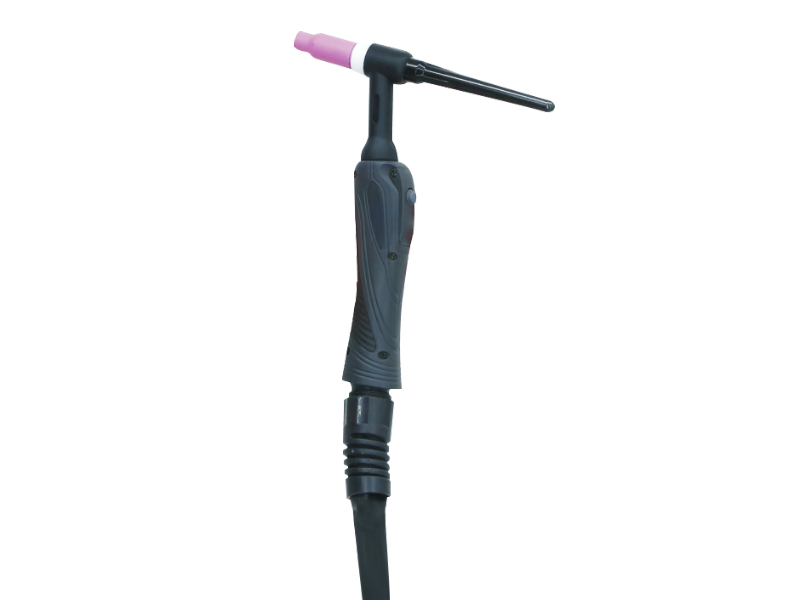
Enhancing Your Skills: Advanced Techniques for 250 Amp TIG Welding
Enhancing Your Skills: Advanced Techniques for 250 Amp TIG Welding
Table of Contents
1. Introduction to 250 Amp TIG Welding
2. Understanding TIG Welding: A Brief Overview
3. Essential Equipment for 250 Amp TIG Welding
4. Preparation Techniques: Setting Up for Success
5. Advanced Welding Techniques for Enhanced Performance
5.1 Mastering Control and Precisio

MESSAGES
We will contact you within one working day. Please pay attention to your email.
Qucik Link
Contact
WhatsApp: +8615833370366
E-mail: zhaoyiqian@hrwelding.cn
Address: No. 105 Yongming Street, Dahe Road, East of Renqiu City, Hebei, China