
The Essential TIG Consumables Kit for Hobbyists and Professionals Alike
2026-10-01


The Essential TIG Consumables Kit for Hobbyists and Professionals Alike
Table of Contents
1. Introduction to TIG Welding and Its Importance
2. What is TIG Welding?
3. Understanding TIG Consumables
4. The Essential TIG Consumables Kit
4.1. Tungsten Electrodes
4.2. Gas Nozzles
4.3. Collets and Collet Cones
4.4. Tungsten Grinde
The Essential TIG Consumables Kit for Hobbyists and Professionals Alike
Table of Contents
- 1. Introduction to TIG Welding and Its Importance
- 2. What is TIG Welding?
- 3. Understanding TIG Consumables
- 4. The Essential TIG Consumables Kit
- 4.1. Tungsten Electrodes
- 4.2. Gas Nozzles
- 4.3. Collets and Collet Cones
- 4.4. Tungsten Grinders
- 4.5. Back Purging Materials
- 5. Choosing the Right Consumables for Your Projects
- 6. Maintaining Your TIG Consumables
- 7. Tips for Beginners in TIG Welding
- 8. Frequently Asked Questions
- 9. Conclusion
1. Introduction to TIG Welding and Its Importance
TIG (Tungsten Inert Gas) welding is a sophisticated welding technique that offers high precision and control, making it a favored choice among both hobbyists and professionals. Whether you're working on delicate metal art projects or heavy industrial fabrications, the quality of your TIG consumables can significantly impact the outcome of your work.
This guide delves into the essentials of TIG consumables, providing you with the information you need to assemble the perfect kit tailored to your welding needs.
2. What is TIG Welding?
TIG welding, also known as Gas Tungsten Arc Welding (GTAW), is a process that uses a non-consumable tungsten electrode to produce the weld. An inert gas, typically argon or helium, protects the weld area from atmospheric contamination, ensuring a clean and strong weld.
The versatility of TIG welding allows it to be used on various materials, including steel, aluminum, and even exotic metals like titanium. The ability to control the heat input makes it ideal for thin materials, where precision is paramount.
3. Understanding TIG Consumables
TIG welding requires specific consumables that help in creating a quality weld. Understanding these components is crucial for any welder aiming to achieve the best results.
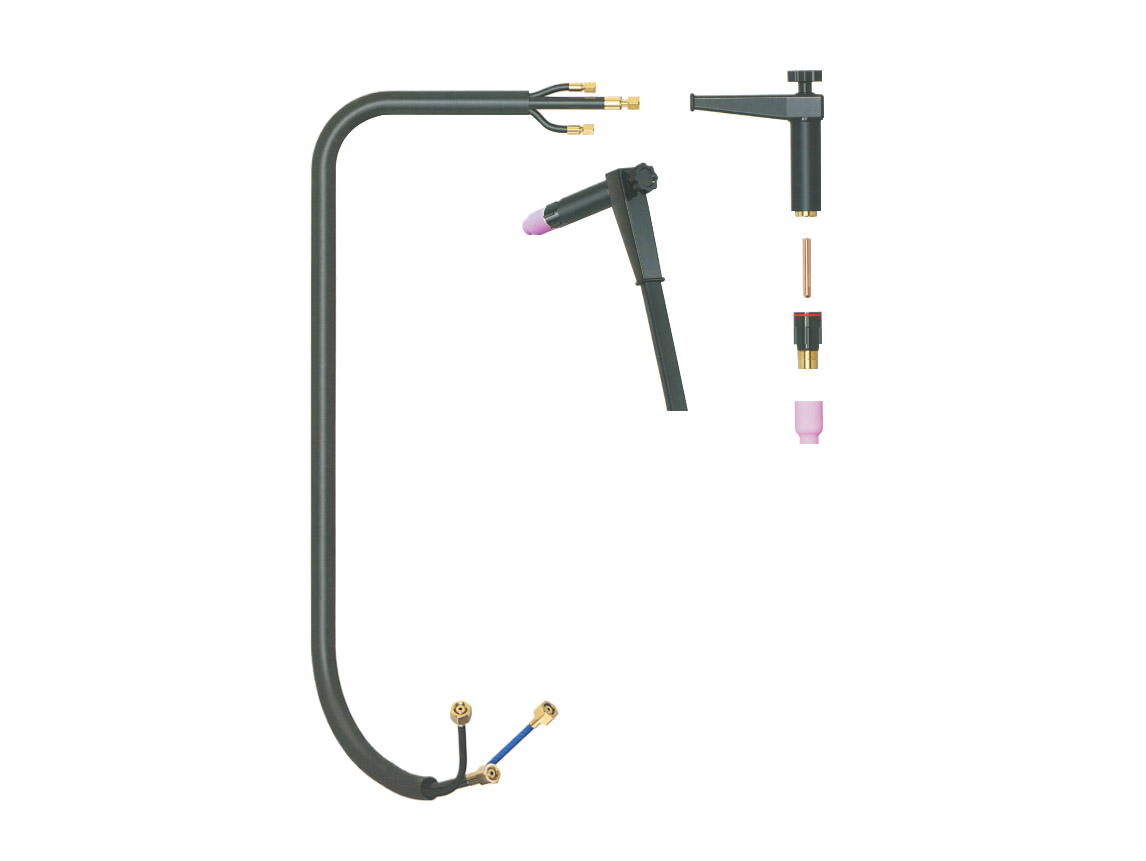
**TIG consumables** include the following essential items:
- Tungsten electrodes
- Gas nozzles
- Collets and collet cones
- Filler rods
- Back purging materials
Each element plays a vital role in the welding process, influencing the overall quality, appearance, and strength of the finished weld.
4. The Essential TIG Consumables Kit
Assembling a comprehensive TIG consumables kit is essential for successful welding. Here, we break down the key components of an effective TIG welding kit.
4.1. Tungsten Electrodes
Tungsten electrodes are the heart of the TIG welding process. They are available in various types, including pure tungsten, thoriated, and ceriated electrodes.
- **Pure tungsten** is ideal for AC welding on aluminum and magnesium.
- **Thoriated tungsten** offers better durability and performance for DC welding.
- **Ceriated tungsten** is great for low amperage and provides a stable arc.
Choosing the right tungsten electrode depends on the material you'll be welding and the specific welding conditions.
4.2. Gas Nozzles
Gas nozzles help control the shielding gas flow to protect the weld from contamination. The size and type of nozzle you choose can impact the bead shape and overall weld quality.
- **Funnel-shaped nozzles** offer excellent visibility.
- **Gas lenses** provide a more stable gas flow and can be used for both narrow and wide welds.
Investing in a variety of gas nozzles can enhance your welding versatility.
4.3. Collets and Collet Cones
Collets and collet cones secure the tungsten electrode in place while allowing for precise adjustments. Selecting the correct size is essential to ensure a tight fit and optimal performance.
Collets are generally made from durable materials that withstand high temperatures and are available in different sizes to accommodate various electrode diameters.
4.4. Tungsten Grinders
Having a dedicated tungsten grinder ensures that your tungsten electrodes are ground to the correct angle and finish. Properly sharpened tungsten allows for better arc stability and increased weld quality.
Investing in a quality tungsten grinder will result in improved performance and fewer issues during the welding process.
4.5. Back Purging Materials
Back purging materials, such as purging films or gases, help to protect the backside of the weld from oxide formation. This is particularly important when welding stainless steel or other reactive metals.
Choosing the right back purging material ensures that your welds are clean and free from defects.
5. Choosing the Right Consumables for Your Projects
Selecting the appropriate TIG consumables requires careful consideration of both the materials you will be welding and the specific application. Factors to consider include:
- **Material Type**: Different metals require different electrodes and gas mixtures.
- **Joint Design**: The design of your weld joint can affect your choice of fillers and nozzles.
- **Weld Position**: Overhead and vertical welding may require specific techniques and consumables.
By understanding these factors, you can tailor your consumables kit to meet the demands of your projects effectively.
6. Maintaining Your TIG Consumables
Proper maintenance of your TIG consumables is crucial for achieving optimal performance and longevity. Here are some tips for keeping your consumables in top shape:
- Regularly inspect your tungsten electrodes for wear and replace them as needed.
- Clean gas nozzles frequently to prevent obstruction from spatter and debris.
- Store your consumables in a dry place to avoid corrosion and damage.
- Use a proper grinder to maintain the electrode sharpness and prevent contamination.
Taking the time to maintain your consumables can lead to improved weld quality and efficiency.
7. Tips for Beginners in TIG Welding
For those new to TIG welding, here are some essential tips to help you get started:
- **Practice on Scrap Material**: Before tackling your project, practice on scrap metal to hone your skills.
- **Adjust Your Settings**: Understand your welder’s settings and adjust them based on the material and thickness.
- **Focus on Technique**: Maintain a steady hand and consistent speed for even weld beads.
- **Keep It Clean**: Ensure all materials are clean and free from contaminants before welding.
By following these tips, beginners can rapidly improve their welding skills and confidence.
8. Frequently Asked Questions
1. What is the best tungsten electrode for aluminum welding?
For aluminum welding, pure tungsten or zirconiated tungsten electrodes are recommended, as they provide excellent arc stability.
2. How can I tell if my tungsten electrode is worn out?
If your tungsten electrode appears rounded, has a ball at the end, or produces an unstable arc, it may be time to replace it.
3. Do I need to use back purging when welding stainless steel?
Yes, back purging is essential when welding stainless steel to minimize oxidation and ensure a clean weld.
4. How often should I change my gas nozzle?
Change your gas nozzle when it shows signs of wear, such as cracks or excessive spatter buildup, to maintain optimal gas flow.
5. Can I use the same consumables for different metals?
While some consumables can be used across different metals, it's best to choose specific materials tailored for each type to ensure quality welds.
9. Conclusion
An essential TIG consumables kit is invaluable for both hobbyists and professionals looking to achieve high-quality welds. Understanding the components and their roles allows for better preparation and performance in various welding applications. Whether you're crafting intricate designs or tackling industrial projects, having the right tools and knowledge will empower you to excel in TIG welding. By investing in quality consumables and maintaining them, you'll ensure that every weld you make is strong, clean, and precise.
TAG:
Related Posts
The Essential TIG Consumables Kit for Hobbyists and Professionals Alike
The Essential TIG Consumables Kit for Hobbyists and Professionals Alike
Table of Contents
1. Introduction to TIG Welding and Its Importance
2. What is TIG Welding?
3. Understanding TIG Consumables
4. The Essential TIG Consumables Kit
4.1. Tungsten Electrodes
4.2. Gas Nozzles
4.3. Collets and Collet Cones
4.4. Tungsten Grinde

MESSAGES
We will contact you within one working day. Please pay attention to your email.
Qucik Link
Contact
WhatsApp: +8615833370366
E-mail: zhaoyiqian@hrwelding.cn
Address: No. 105 Yongming Street, Dahe Road, East of Renqiu City, Hebei, China