
The Environmental Impact of Using Water Cooled TIG Torches: Sustainable Welding Practices
2026-09-25


The Environmental Impact of Using Water Cooled TIG Torches
Water cooled TIG (Tungsten Inert Gas) torches are a staple in the welding industry, known for their efficiency and effectiveness. However, as industries increasingly prioritize sustainability and environmental responsibility, it’s crucial to examine the environmental impact of using these tools. This article delves into the various aspects
The Environmental Impact of Using Water Cooled TIG Torches
Water cooled TIG (Tungsten Inert Gas) torches are a staple in the welding industry, known for their efficiency and effectiveness. However, as industries increasingly prioritize sustainability and environmental responsibility, it’s crucial to examine the environmental impact of using these tools. This article delves into the various aspects of water cooled TIG torches, exploring their benefits, drawbacks, and potential solutions to mitigate negative environmental effects.
Understanding Water Cooled TIG Torches
Before diving into the environmental implications, we must first understand what water cooled TIG torches are and how they operate.
What is a Water Cooled TIG Torch?
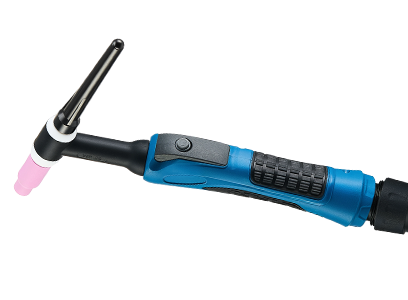
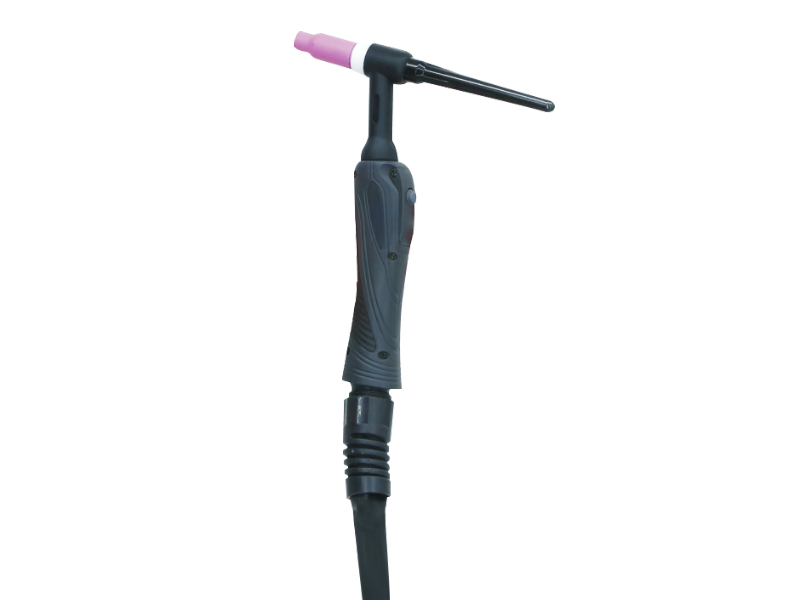
A water cooled TIG torch is a welding tool designed to dissipate heat through water circulation. This method is particularly effective for high-heat applications and offers several advantages over air cooled torches, such as prolonged usage without overheating and the ability to deliver higher amp ratings.
How Do Water Cooled TIG Torches Work?
Water cooled TIG torches are equipped with a cooling system that pumps water through channels in the torch body. As the torch generates heat during welding, the water absorbs this heat, allowing for continuous operation without significant risk of damage to the torch components. This cooling mechanism is crucial in scenarios that require extended welding periods or high-performance welding tasks.
The Benefits of Water Cooled TIG Torches
Water cooled TIG torches offer several benefits that contribute to their popularity in the welding industry.
Enhanced Performance and Longevity
One of the primary advantages of using water cooled TIG torches is their ability to handle higher heat levels. This capability not only allows for better performance but also increases the longevity of the equipment. By reducing the risk of overheating, professionals can maintain optimal performance levels for extended periods.
Improved Quality of Welds
Water cooled torches provide better control over the welding process, which leads to higher-quality welds. The cooler temperatures help maintain the integrity of the tungsten electrode, resulting in cleaner and more precise welds. This quality control is essential in industries where precision is paramount.
Energy Efficiency
While using water cooled TIG torches may seem counterintuitive in terms of energy consumption, they can actually promote energy efficiency. By maintaining lower temperatures and reducing wear on equipment, these torches can lead to less energy-intensive processes over time.
The Environmental Considerations
Despite their benefits, the use of water cooled TIG torches does have environmental implications that warrant discussion.
Water Usage and Waste Management
One of the main environmental concerns related to water cooled TIG torches is water consumption. The process requires a continuous supply of water, which can lead to significant usage, especially in large-scale operations. Additionally, the disposal of contaminated water can pose challenges if not managed properly.
Strategies for Reducing Water Waste
To mitigate water usage, companies can implement several strategies:
- **Closed-loop systems**: Utilizing recirculating systems can minimize water waste and ensure that the same water is reused multiple times.
- **Filtration systems**: Installing advanced filtration can help maintain water quality and reduce the need for frequent water changes.
- **Monitoring**: Regularly monitoring water usage can help identify leaks and inefficiencies, allowing for timely interventions.
Electricity Consumption and Emissions
While water cooled TIG torches can be more efficient in some respects, they still require electricity to operate. The source of this electricity can have a significant impact on the overall environmental footprint. If the energy comes from fossil fuels, the emissions associated with its generation will offset some of the benefits of using these torches.
Transitioning to Renewable Energy Sources
Shifting towards renewable energy sources can greatly reduce the carbon footprint associated with water cooled TIG torch operations. Solar panels, wind turbines, and other renewable technologies can provide clean energy, minimizing the environmental impact of welding operations.
Innovations in Water Cooled TIG Torch Technology
The welding industry is continually evolving, with innovations aimed at improving performance while reducing environmental impact.
Eco-Friendly Materials
Manufacturers are beginning to explore the use of eco-friendly materials in the construction of water cooled TIG torches. This includes using recyclable metals and plastics, which can lessen the environmental burden associated with production and disposal.
Energy Efficient Designs
New designs are being developed to improve the energy efficiency of water cooled TIG torches. These advancements include better thermal management, which reduces the amount of energy required to maintain optimal operating temperatures.
Best Practices for Sustainable Welding
Implementing sustainable practices in welding operations can help reduce the environmental impact of using water cooled TIG torches.
Proper Training for Operators
Ensuring that all operators are trained in the best practices for using water cooled TIG torches can lead to better efficiency and reduced waste. Training programs should cover the environmental impacts and the importance of sustainability.
Regular Maintenance of Equipment
Regular maintenance of water cooled TIG torches can help ensure they operate efficiently. This includes checking for leaks in the cooling system, ensuring the filtration system is functioning properly, and replacing worn-out components.
Recycling and Disposal Programs
Implementing recycling and disposal programs for welding materials and equipment can minimize waste. Proper disposal of contaminated water and recyclable materials is crucial in minimizing the environmental footprint of welding operations.
Frequently Asked Questions (FAQs)
1. What are the main advantages of water cooled TIG torches over air cooled ones?
Water cooled TIG torches can handle higher heat levels, provide better weld quality, and have a longer lifespan compared to air cooled torches.
2. How does water usage impact the environment when using water cooled TIG torches?
Water usage can lead to significant consumption, and if not managed properly, contaminated water disposal can pose environmental challenges.
3. Are there any eco-friendly options available for water cooled TIG torches?
Yes, manufacturers are increasingly using recyclable materials and creating designs that promote energy efficiency to reduce environmental impact.
4. What is the best way to minimize the environmental impact of welding operations?
Implementing closed-loop water systems, utilizing renewable energy sources, and ensuring proper training for operators can help mitigate the environmental impact.
5. How often should water cooled TIG torches be maintained?
Regular maintenance should be conducted to check for leaks, ensure proper filtration, and replace worn-out parts. A maintenance schedule can help ensure optimal performance and efficiency.
Conclusion
The environmental impact of using water cooled TIG torches is a complex issue that requires careful consideration. While these torches offer numerous benefits in terms of performance and weld quality, they also pose challenges related to water consumption and energy usage. By adopting sustainable practices, leveraging innovations in technology, and transitioning to renewable energy sources, the welding industry can significantly reduce its ecological footprint. As professionals in the field, it is our responsibility to prioritize sustainability and implement best practices that ensure a greener future for welding operations.
TAG:
Related Posts
The Environmental Impact of Using Water Cooled TIG Torches: Sustainable Welding Practices
The Environmental Impact of Using Water Cooled TIG Torches
Water cooled TIG (Tungsten Inert Gas) torches are a staple in the welding industry, known for their efficiency and effectiveness. However, as industries increasingly prioritize sustainability and environmental responsibility, it’s crucial to examine the environmental impact of using these tools. This article delves into the various aspects


MESSAGES
We will contact you within one working day. Please pay attention to your email.
Qucik Link
Contact
WhatsApp: +8615833370366
E-mail: zhaoyiqian@hrwelding.cn
Address: No. 105 Yongming Street, Dahe Road, East of Renqiu City, Hebei, China