
How to Set Up and Use a Water Cooled TIG Torch Effectively for Optimal Welding Performance
2026-05-28


How to Set Up and Use a Water Cooled TIG Torch Effectively
Setting up and using a water cooled TIG torch is an essential skill for any welder looking to enhance their welding capabilities. Water cooled TIG torches are renowned for their efficiency and ability to handle high amperage without overheating. This guide provides you with a complete roadmap to not only set up your water cooled TIG torch
How to Set Up and Use a Water Cooled TIG Torch Effectively
Setting up and using a water cooled TIG torch is an essential skill for any welder looking to enhance their welding capabilities. Water cooled TIG torches are renowned for their efficiency and ability to handle high amperage without overheating. This guide provides you with a complete roadmap to not only set up your water cooled TIG torch but also effectively utilize it for superior welding results.
Table of Contents
- What are the Benefits of Water Cooled TIG Torches?
- Understanding the Components of a Water Cooled TIG Torch
- Step-by-Step Guide to Setting Up Your Water Cooled TIG Torch
- How to Fill and Maintain the Water Cooled System
- Techniques for Using Your Water Cooled TIG Torch Effectively
- Common Troubleshooting Tips for Water Cooled TIG Torches
- Safety Precautions When Using TIG Torches
- Conclusion
- FAQs
What are the Benefits of Water Cooled TIG Torches?
Water cooled TIG torches offer several advantages over their air cooled counterparts. These benefits include:
1. Enhanced Cooling Efficiency
The primary advantage of water cooled systems is their ability to dissipate heat much more effectively. This allows the torch to operate at higher amperages without the risk of overheating, making it ideal for heavy-duty applications.
2. Extended Lifespan
With better temperature control, the components of a water cooled TIG torch generally have a longer lifespan. This results in fewer replacements and repairs over time, ultimately saving you money.
3. Improved Comfort
Water cooled torches typically weigh less than air cooled models, making them easier to handle during prolonged welding sessions. They also tend to produce less heat in the hand, leading to increased comfort for the welder.
4. Higher Performance
The capacity to achieve higher welding currents enhances the overall performance of the welding process. This makes water cooled TIG torches suitable for a wider range of materials and thicknesses.
Understanding the Components of a Water Cooled TIG Torch
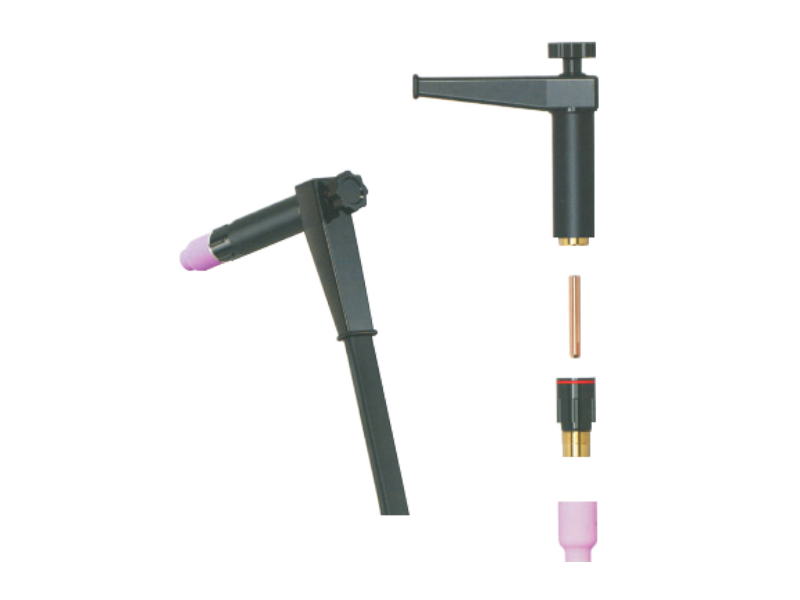
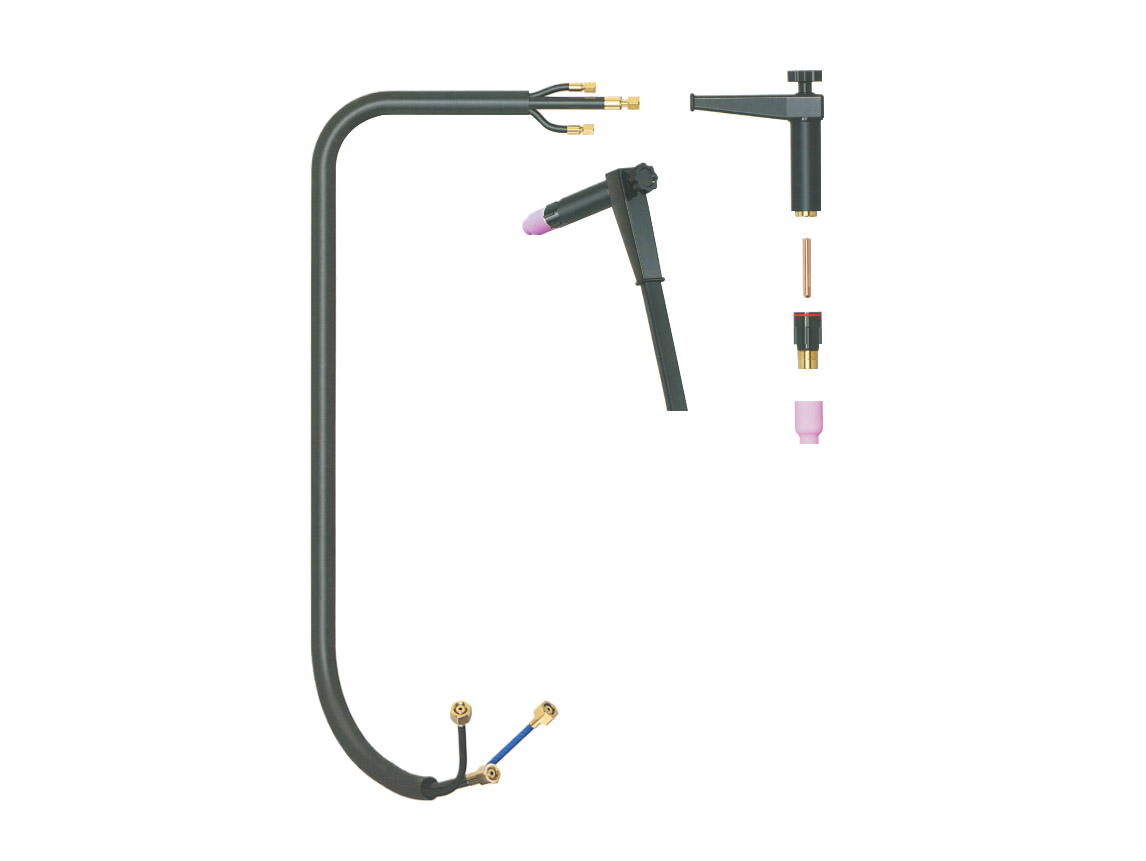
Before diving into the setup process, it's crucial to familiarize yourself with the main components of a water cooled TIG torch:
1. Torch Body
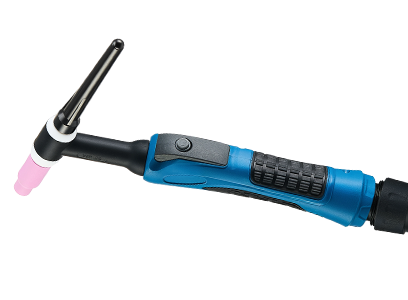
The main part of the torch where the electrode and nozzle are attached. The body houses the water channels for cooling.
2. Collet and Collet Body
The collet holds the tungsten electrode in place, while the collet body secures the collet to the torch body.
3. Nozzle
The nozzle directs the shielding gas and protects the weld pool from contamination.
4. Water Chamber
This is where the cooling water circulates to regulate the temperature of the torch during operation.
5. Water Supply and Return Hoses
These hoses connect the torch to the water cooler, allowing for continuous water circulation.
Step-by-Step Guide to Setting Up Your Water Cooled TIG Torch
Setting up your water cooled TIG torch requires careful attention to detail. Follow these steps for an effective setup:
Step 1: Gather Necessary Equipment
Ensure you have all the required components, including the torch, gas supply, water cooler, hoses, and appropriate fittings.
Step 2: Assemble the Torch
1. Attach the collet body to the torch body.
2. Insert the tungsten electrode into the collet and tighten it securely.
3. Screw on the nozzle, ensuring it fits snugly.
Step 3: Connect the Water Lines
1. Attach the water supply hose from the cooler to the inlet on the torch’s water chamber.
2. Connect the return hose to the outlet on the torch, leading back to the cooler.
Step 4: Connect the Gas Supply
Attach the shielding gas line to the gas inlet on the torch. Ensure all connections are tight to prevent leaks.
Step 5: Test the System
Before starting a welding project, turn on the water cooler and check for leaks around all connections. Ensure water circulates correctly through the torch.
How to Fill and Maintain the Water Cooled System
A well-maintained water cooling system is pivotal for torch performance. Follow these guidelines:
1. Filling the Water Tank
Fill the water cooler with distilled water. Avoid tap water to prevent mineral buildup, which can clog the system.
2. Regular Maintenance
Check the water level frequently and refill as necessary. It's also essential to flush the system periodically to remove any impurities.
3. Inspecting Hoses and Connections
Regularly inspect the hoses for any signs of wear or leaks. Replace any damaged components immediately.
Techniques for Using Your Water Cooled TIG Torch Effectively
To maximize the potential of your water cooled TIG torch, implement the following techniques:
1. Choosing the Right Electrode
Select the appropriate tungsten electrode based on the materials being welded and the required amperage. For instance, 2% thoriated tungsten is excellent for stainless steel and carbon steel welding.
2. Adjusting the Amperage
Set the welder's amperage according to the thickness of the material. Higher amperage may be necessary for thicker materials, while lower settings are suitable for thin sheets.
3. Proper Torch Angle and Distance
Maintain a consistent torch angle (typically 15 to 20 degrees) and distance from the workpiece. This ensures optimal gas coverage and heat distribution.
4. Mastering the Welding Technique
Practice different welding techniques such as stringer beads, weave patterns, and circular motions to improve your skill set. Adjust your speed and movement based on the material and joint configuration.
Common Troubleshooting Tips for Water Cooled TIG Torches
Even with proper setup and use, issues can arise. Here are some common problems and their solutions:
1. Inconsistent Arc
If you experience an unstable arc, check the connections and ensure the water flow is adequate. Inspect the electrode for wear and replace it if necessary.
2. Overheating
Overheating can indicate insufficient water flow. Ensure that there are no clogs in the hoses and that the coolant is adequately filled.
3. Poor Penetration
If penetration is inadequate, adjust your amperage and travel speed. Ensure you're using the correct tungsten for the material.
4. Contaminated Welds
To prevent contamination, ensure the work surface is clean and free of rust, paint, or oil. Additionally, check that the shielding gas is flowing properly.
Safety Precautions When Using TIG Torches
Safety is paramount when working with a TIG torch. Here are some key safety precautions:
1. Wear Protective Gear
Always wear appropriate safety gear, including gloves, a welding helmet, and protective clothing. This not only protects you from UV radiation but also from sparks and heat.
2. Ensure Proper Ventilation
Work in a well-ventilated area to avoid inhaling harmful gases and fumes produced during welding.
3. Handle Equipment Carefully
Be cautious when handling the torch and other equipment. Always turn off the gas supply when not in use and store equipment properly.
4. Keep a Fire Extinguisher Nearby
Have a fire extinguisher accessible in your workspace to deal with any unforeseen incidents.
Conclusion
Setting up and using a water cooled TIG torch effectively can significantly enhance your welding experience. By understanding the benefits, components, and proper techniques for setup and usage, you can achieve superior results in your welding projects. Regular maintenance and troubleshooting are crucial for ensuring the longevity and performance of your equipment. With practice and attention to detail, you will master the art of TIG welding with a water cooled torch, achieving clean, strong welds in various materials.
FAQs
1. What is the difference between air cooled and water cooled TIG torches?
Air cooled TIG torches rely on ambient air to dissipate heat, while water cooled torches use a cooling liquid to regulate temperature, allowing them to handle higher amperages without overheating.
2. Can I use tap water in my water cooled TIG torch?
It is not recommended to use tap water due to the potential for mineral buildup, which can clog your system. Use distilled water for optimal performance.
3. How often should I flush the water cooled system?
It’s advisable to flush your water cooled system at least once every few months, or more frequently if you notice any performance issues.
4. What should I do if my TIG torch is leaking water?
Inspect all connections, hoses, and the water chamber for any signs of damage or wear. Replace any faulty components immediately to prevent further leakage.
5. Is it necessary to use a water cooler with a TIG torch?
While it’s not required for all applications, using a water cooler with a TIG torch is highly beneficial for prolonged welding sessions and for welding thicker materials, helping to prevent overheating.
TAG:
Related Posts
A Comprehensive Guide to TIG Welding Torch Kits for Automotive Professionals
TIG welding, or tungsten inert gas welding, has become a preferred technique for automotive professionals due to its precision and versatility. A TIG welding torch kit is a crucial component of this process, as it provides the necessary tools to achieve optimal welding performance. In this article, we will explore the various aspects of TIG welding torch kits, helping you make informed decisions f

MESSAGES
We will contact you within one working day. Please pay attention to your email.
Qucik Link
Contact
WhatsApp: +8615833370366
E-mail: zhaoyiqian@hrwelding.cn
Address: No. 105 Yongming Street, Dahe Road, East of Renqiu City, Hebei, China