
Essential Guide to TIG Torch Kits for Automotive Welding
2026-05-25


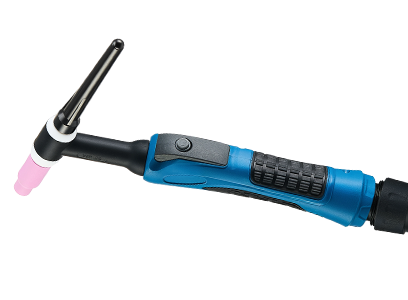
TIG (Tungsten Inert Gas) welding is a precise and versatile method commonly used in the automotive industry. A TIG torch kit is an essential component for professionals seeking quality and efficiency in their welding projects. Understanding the components and functionality of a TIG torch kit can significantly enhance your welding capabilities and ensure high-quality results.
A typical TIG torch ki
TIG (Tungsten Inert Gas) welding is a precise and versatile method commonly used in the automotive industry. A TIG torch kit is an essential component for professionals seeking quality and efficiency in their welding projects. Understanding the components and functionality of a TIG torch kit can significantly enhance your welding capabilities and ensure high-quality results.
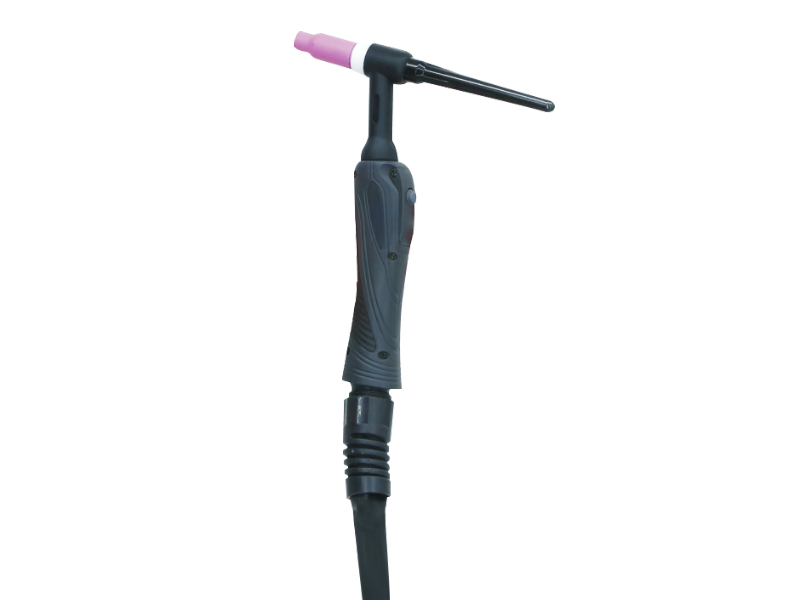
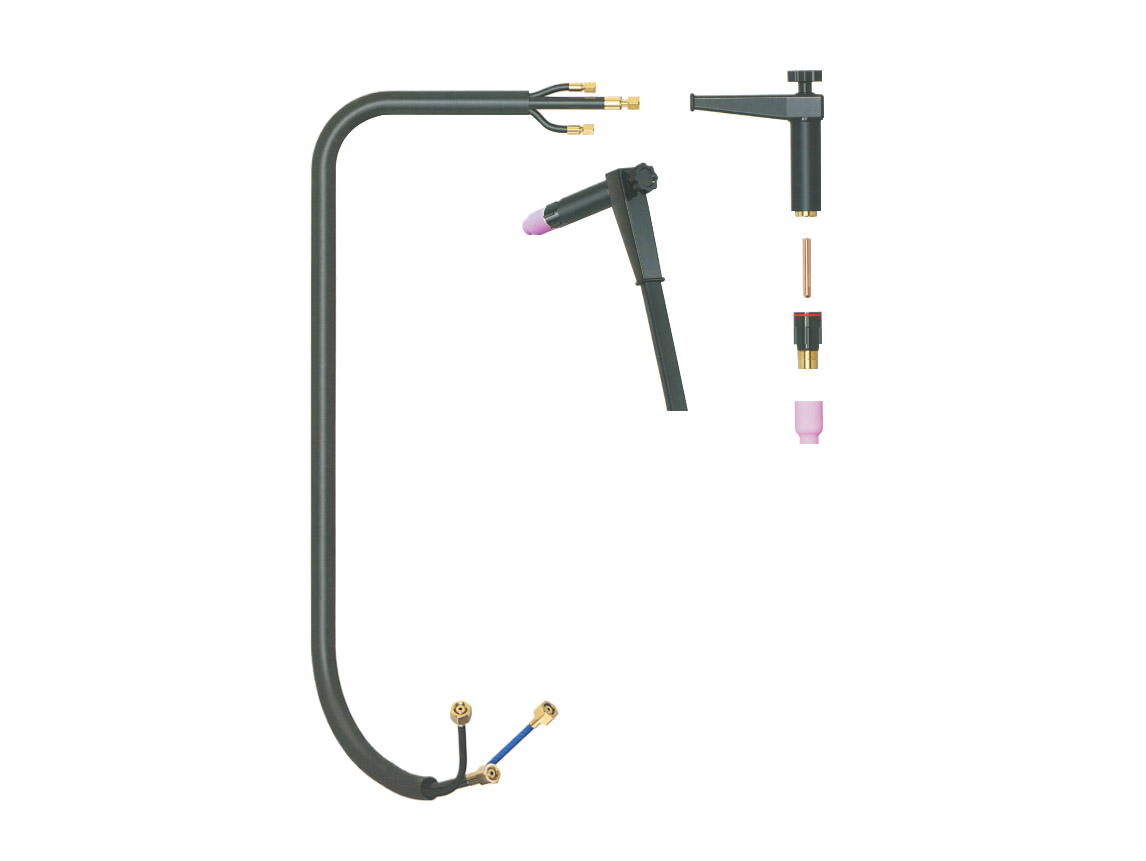
A typical TIG torch kit comprises several key components, including the torch itself, tungsten electrodes, collets, collet bodies, and gas lenses. The torch is designed to deliver a concentrated arc for precision welding, which is particularly beneficial when working on thin materials or performing intricate welds. The tungsten electrodes, which come in different diameters and compositions, are crucial for generating the arc. Selecting the appropriate tungsten electrode type can influence the quality of the weld and the types of materials you can work with.
In addition to the torch and electrodes, the collet and collet body are critical for holding the tungsten in place. These components must be compatible with both the torch and the tungsten electrode to ensure a secure connection and optimal performance. Gas lenses can also be included in a TIG torch kit, helping to deliver a more stable flow of shielding gas, which protects the weld area from contamination. The right combination of these components allows for better control of the welding process, resulting in cleaner and stronger welds.
When using a TIG torch kit, it's essential to adhere to best practices for setup and operation. Always ensure the torch is connected to a suitable gas supply—typically argon or helium—to provide adequate shielding during the welding process. Properly setting the gas flow rate is also important; too much gas can lead to turbulence, while too little can result in oxidation. Furthermore, practice adjusting the amperage settings based on the material thickness and type, as this greatly impacts the heat input and penetration.
Safety is paramount when working with TIG welding equipment. Always wear appropriate personal protective equipment (PPE), including welding gloves, a helmet with a proper lens shade, and protective clothing to shield against sparks and heat. Regularly inspect your TIG torch kit for wear and tear, particularly on the electrode and other consumables, to maintain optimal performance.
In conclusion, a TIG torch kit is an invaluable tool for automotive professionals looking to enhance their welding practices. By understanding its components and adhering to best practices, you can achieve high-quality welds that meet the demanding standards of the automotive industry. Whether you’re a seasoned professional or just starting in automotive welding, mastering the TIG process through the right tools will undoubtedly benefit your work quality and efficiency.
A typical TIG torch kit comprises several key components, including the torch itself, tungsten electrodes, collets, collet bodies, and gas lenses. The torch is designed to deliver a concentrated arc for precision welding, which is particularly beneficial when working on thin materials or performing intricate welds. The tungsten electrodes, which come in different diameters and compositions, are crucial for generating the arc. Selecting the appropriate tungsten electrode type can influence the quality of the weld and the types of materials you can work with.
In addition to the torch and electrodes, the collet and collet body are critical for holding the tungsten in place. These components must be compatible with both the torch and the tungsten electrode to ensure a secure connection and optimal performance. Gas lenses can also be included in a TIG torch kit, helping to deliver a more stable flow of shielding gas, which protects the weld area from contamination. The right combination of these components allows for better control of the welding process, resulting in cleaner and stronger welds.
When using a TIG torch kit, it's essential to adhere to best practices for setup and operation. Always ensure the torch is connected to a suitable gas supply—typically argon or helium—to provide adequate shielding during the welding process. Properly setting the gas flow rate is also important; too much gas can lead to turbulence, while too little can result in oxidation. Furthermore, practice adjusting the amperage settings based on the material thickness and type, as this greatly impacts the heat input and penetration.
Safety is paramount when working with TIG welding equipment. Always wear appropriate personal protective equipment (PPE), including welding gloves, a helmet with a proper lens shade, and protective clothing to shield against sparks and heat. Regularly inspect your TIG torch kit for wear and tear, particularly on the electrode and other consumables, to maintain optimal performance.
In conclusion, a TIG torch kit is an invaluable tool for automotive professionals looking to enhance their welding practices. By understanding its components and adhering to best practices, you can achieve high-quality welds that meet the demanding standards of the automotive industry. Whether you’re a seasoned professional or just starting in automotive welding, mastering the TIG process through the right tools will undoubtedly benefit your work quality and efficiency.
TAG:
Related Posts
Enhancing Your Skills: Advanced Techniques for 250 Amp TIG Welding
Enhancing Your Skills: Advanced Techniques for 250 Amp TIG Welding
Table of Contents
1. Introduction to 250 Amp TIG Welding
2. Understanding TIG Welding: A Brief Overview
3. Essential Equipment for 250 Amp TIG Welding
4. Preparation Techniques: Setting Up for Success
5. Advanced Welding Techniques for Enhanced Performance
5.1 Mastering Control and Precisio

MESSAGES
We will contact you within one working day. Please pay attention to your email.
Qucik Link
Contact
WhatsApp: +8615833370366
E-mail: zhaoyiqian@hrwelding.cn
Address: No. 105 Yongming Street, Dahe Road, East of Renqiu City, Hebei, China