
Essential Equipment for MIG Welding: A Comprehensive Guide
2026-05-01


MIG welding, or Metal Inert Gas welding, is favored by professionals in various sectors due to its speed and adaptability. To achieve optimal results, having the right equipment is crucial. Here’s a breakdown of the essential gear needed for MIG welding.
1. **MIG Welder**: The heart of any MIG welding operation is the MIG welder itself. These machines are designed to feed a continuous spool of wel
MIG welding, or Metal Inert Gas welding, is favored by professionals in various sectors due to its speed and adaptability. To achieve optimal results, having the right equipment is crucial. Here’s a breakdown of the essential gear needed for MIG welding.
1. **MIG Welder**: The heart of any MIG welding operation is the MIG welder itself. These machines are designed to feed a continuous spool of welding wire while simultaneously supplying an inert gas, typically argon or a mixture of argon and carbon dioxide, to shield the weld pool from contamination. When selecting a MIG welder, consider factors such as power output, duty cycle, and portability.
2. **Welding Wire**: The type of welding wire you choose will depend on the materials being welded. Common options include ER70S-6 for mild steel applications and ER5356 for aluminum. Ensure that the wire diameter is compatible with your MIG welder, as this affects the welding process's efficiency and quality.
3. **Shielding Gas**: As mentioned, shielding gas is critical in MIG welding to protect the weld from atmospheric contamination. The most common gases used are argon and carbon dioxide, with many welders opting for a mix to achieve a balance between penetration and bead appearance. Understanding the gas flow rate is also important for effective shielding.
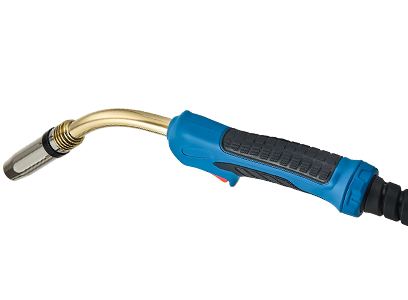
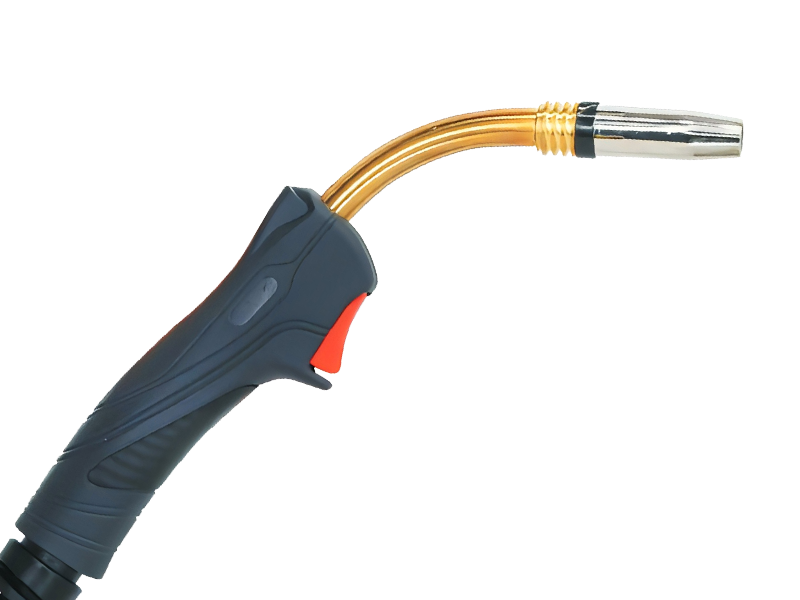
4. **Welding Gun**: The welding gun is an essential tool that delivers the welding wire and shielding gas to the weld seam. A good-quality MIG welding gun should be comfortable to hold, light, and equipped with adjustable settings for different welding positions and materials. Consider the nozzle size and type, as this can impact the weld quality.
5. **Protective Gear**: Safety should never be overlooked in welding. Essential protective gear includes a welding helmet with appropriate shading, gloves, and flame-resistant clothing. This equipment protects welders from sparks, UV radiation, and heat, ensuring a safe working environment.
6. **Work Surface and Clamps**: A stable and clean work surface is vital for successful welding. Use clamps to hold materials securely in place, which helps prevent warping and misalignment during the welding process.
7. **Cleaning Tools**: After welding, there may be slag or spatter that needs to be cleaned. Tools such as wire brushes, grinders, or chemical cleaners can help maintain the integrity of the weld and ensure a professional finish.
In conclusion, having the right equipment for MIG welding not only enhances the quality of your work but also improves safety and efficiency. By investing in a reliable MIG welder, quality welding wire, adequate shielding gas, and protective gear, you can ensure successful welding outcomes that meet industry standards.
1. **MIG Welder**: The heart of any MIG welding operation is the MIG welder itself. These machines are designed to feed a continuous spool of welding wire while simultaneously supplying an inert gas, typically argon or a mixture of argon and carbon dioxide, to shield the weld pool from contamination. When selecting a MIG welder, consider factors such as power output, duty cycle, and portability.
2. **Welding Wire**: The type of welding wire you choose will depend on the materials being welded. Common options include ER70S-6 for mild steel applications and ER5356 for aluminum. Ensure that the wire diameter is compatible with your MIG welder, as this affects the welding process's efficiency and quality.
3. **Shielding Gas**: As mentioned, shielding gas is critical in MIG welding to protect the weld from atmospheric contamination. The most common gases used are argon and carbon dioxide, with many welders opting for a mix to achieve a balance between penetration and bead appearance. Understanding the gas flow rate is also important for effective shielding.
4. **Welding Gun**: The welding gun is an essential tool that delivers the welding wire and shielding gas to the weld seam. A good-quality MIG welding gun should be comfortable to hold, light, and equipped with adjustable settings for different welding positions and materials. Consider the nozzle size and type, as this can impact the weld quality.
5. **Protective Gear**: Safety should never be overlooked in welding. Essential protective gear includes a welding helmet with appropriate shading, gloves, and flame-resistant clothing. This equipment protects welders from sparks, UV radiation, and heat, ensuring a safe working environment.
6. **Work Surface and Clamps**: A stable and clean work surface is vital for successful welding. Use clamps to hold materials securely in place, which helps prevent warping and misalignment during the welding process.
7. **Cleaning Tools**: After welding, there may be slag or spatter that needs to be cleaned. Tools such as wire brushes, grinders, or chemical cleaners can help maintain the integrity of the weld and ensure a professional finish.
In conclusion, having the right equipment for MIG welding not only enhances the quality of your work but also improves safety and efficiency. By investing in a reliable MIG welder, quality welding wire, adequate shielding gas, and protective gear, you can ensure successful welding outcomes that meet industry standards.
TAG:
Related Posts

Essential Equipment for MIG Welding: A Comprehensive Guide
MIG welding, or Metal Inert Gas welding, is favored by professionals in various sectors due to its speed and adaptability. To achieve optimal results, having the right equipment is crucial. Here’s a breakdown of the essential gear needed for MIG welding.
1. **MIG Welder**: The heart of any MIG welding operation is the MIG welder itself. These machines are designed to feed a continuous spool of wel
MESSAGES
We will contact you within one working day. Please pay attention to your email.
Qucik Link
Contact
WhatsApp: +8615833370366
E-mail: zhaoyiqian@hrwelding.cn
Address: No. 105 Yongming Street, Dahe Road, East of Renqiu City, Hebei, China