
DIY Welding: A Comprehensive Guide to Replacing MIG Gun Parts Yourself
2026-04-28


DIY Welding: How to Replace MIG Gun Parts Yourself
Table of Contents
1. Introduction to MIG Welding and Gun Components
2. Common Issues with MIG Guns
3. Tools Required for Replacing MIG Gun Parts
4. Identifying MIG Gun Parts and Their Functions
5. Step-by-Step Guide to Replacing MIG Gun Parts
5.1 Removing the MIG Gun from the Welder
5.2 Replace
DIY Welding: How to Replace MIG Gun Parts Yourself
Table of Contents
- 1. Introduction to MIG Welding and Gun Components
- 2. Common Issues with MIG Guns
- 3. Tools Required for Replacing MIG Gun Parts
- 4. Identifying MIG Gun Parts and Their Functions
- 5. Step-by-Step Guide to Replacing MIG Gun Parts
- 5.1 Removing the MIG Gun from the Welder
- 5.2 Replacement Process for Common Parts
- 5.3 Reassembling the MIG Gun
- 6. Maintenance Tips for MIG Guns
- 7. Troubleshooting Common MIG Gun Problems
- 8. Frequently Asked Questions
- 9. Conclusion
1. Introduction to MIG Welding and Gun Components
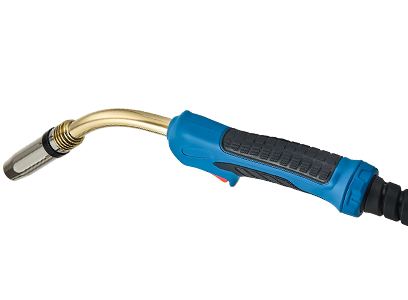
MIG (Metal Inert Gas) welding is a popular welding process that uses a continuous wire feed as an electrode to create a weld. This technique is favored for its versatility, speed, and ease of use, making it ideal for both professional and DIY welders. The MIG gun is a crucial component of the MIG welding process, responsible for delivering the filler material to the weld joint. Understanding the parts of the MIG gun and their functions is essential for successful welding and maintenance.
2. Common Issues with MIG Guns
Over time, MIG guns can experience various issues that may hinder their performance. Understanding these common problems allows you to act swiftly and efficiently. Some frequent issues include:
- **Poor Wire Feed**: This can be caused by a clogged liner or improper tension on the wire feed roller.
- **Welding Inconsistency**: Often due to worn-out contact tips or nozzles that need replacement.
- **Overheating**: This could be a sign of insufficient airflow or a malfunctioning cooling system.
By identifying these issues early, you can prevent more severe damage and maintain optimal welding performance.
3. Tools Required for Replacing MIG Gun Parts
Before starting your MIG gun repair, it’s important to gather the right tools. Here’s a list of essential tools you will need:
- **Wrench Set**: For loosening and tightening bolts and nuts.
- **Screwdrivers**: Both flathead and Phillips for various screws.
- **Wire Cutters**: To trim the welding wire if necessary.
- **Replacement Parts**: Make sure you have the correct replacement parts ready, such as contact tips, nozzles, and liners.
- **Safety Gear**: Always wear gloves, goggles, and a welding helmet to protect yourself while working.
4. Identifying MIG Gun Parts and Their Functions
To effectively replace MIG gun parts, it is essential to understand the various components. Here’s a brief overview of key parts:
- **Contact Tip**: This is where the welding wire is fed through, and it helps to conduct electricity to the wire.
- **Nozzle**: The nozzle protects the weld pool from contaminants and shields the arc.
- **Liner**: A tube through which the welding wire feeds into the contact tip. A damaged liner can cause feeding issues.
- **Trigger**: Engages the wire feed and arc initiation. A malfunctioning trigger can prevent the gun from working altogether.
Understanding these components will make the replacement process smoother and more efficient.
5. Step-by-Step Guide to Replacing MIG Gun Parts
Replacing MIG gun parts can seem daunting, but with the right approach, it can be done efficiently. Follow this detailed step-by-step guide:
5.1 Removing the MIG Gun from the Welder
1. **Disconnect the Welder**: Ensure that the welder is turned off and unplugged for safety.
2. **Remove the Gun from the Machine**: Loosen the bolts or clamps that secure the MIG gun to the welder’s body, and gently pull it away.
3. **Inspect the Connection**: Check for any damage at the connection point as you remove the gun.
5.2 Replacement Process for Common Parts
1. **Replacing the Contact Tip**:
- Unscrew the old contact tip from the MIG gun.
- Screw in the new contact tip, ensuring it is snug but not overly tight.
2. **Replacing the Nozzle**:
- Remove the old nozzle by unscrewing or pulling it off.
- Install the new nozzle and secure it properly.
3. **Replacing the Liner**:
- Remove the old liner by pulling it out from the back of the gun.
- Feed in the new liner, ensuring it fits snugly in place.
5.3 Reassembling the MIG Gun
1. **Reattach the MIG Gun**: Connect the MIG gun back to the welder, securing it in place with the appropriate bolts or clamps.
2. **Connect the Gas Supply**: If your MIG gun uses shielding gas, reconnect the gas supply line.
3. **Test the Setup**: Before you start welding, make sure everything is correctly assembled and functional.
6. Maintenance Tips for MIG Guns
Regular maintenance can prolong the life of your MIG gun and ensure optimal performance. Here are some tips:
- **Clean the Nozzle**: Regularly inspect and clean the nozzle to prevent blockage.
- **Check for Wear**: Routinely check contact tips and liners for signs of wear and replace them as necessary.
- **Adjust Tension**: Ensure the tension on the wire feed roller is properly adjusted to prevent slippage or excessive wear on the wire.
7. Troubleshooting Common MIG Gun Problems
Sometimes, despite following best practices, problems can still arise. Here’s how to troubleshoot common MIG gun issues:
- **If the Wire Doesn’t Feed**: Check for clogs in the liner and ensure the tension on the wire feed roller is correct.
- **If the Arc is Unstable**: Inspect the contact tip and replace it if it’s worn out. Ensure the nozzle is clean and free from debris.
- **If Overheating Occurs**: Ensure your gun is getting adequate airflow and that the cooling system is functioning properly.
8. Frequently Asked Questions
1. How often should I replace the contact tip on my MIG gun?
It is recommended to replace the contact tip every few hours of welding or whenever you notice poor arc performance.
2. Can I use any brand of replacement parts for my MIG gun?
It’s best to use manufacturer-recommended parts for optimal performance and compatibility.
3. What causes a clogged nozzle, and how can I prevent it?
A clogged nozzle can be caused by spatter buildup. Regular cleaning and using the correct shielding gas can help prevent this issue.
4. Is it safe to perform maintenance on my MIG gun?
Yes, as long as the welder is turned off and unplugged, it is safe to perform maintenance.
5. What should I do if my MIG gun continues to malfunction despite replacing parts?
If issues persist, consult with a professional technician to diagnose potential deeper problems with your welder.
9. Conclusion
Replacing MIG gun parts is an essential skill for anyone engaged in DIY welding. By understanding common issues, gathering the right tools, and following a structured replacement process, you can ensure the longevity and performance of your MIG gun. Regular maintenance and troubleshooting techniques will further enhance your welding experience. Armed with this knowledge, you can confidently tackle your welding projects and enjoy the satisfaction of DIY repairs. Happy welding!
TAG:
Related Posts
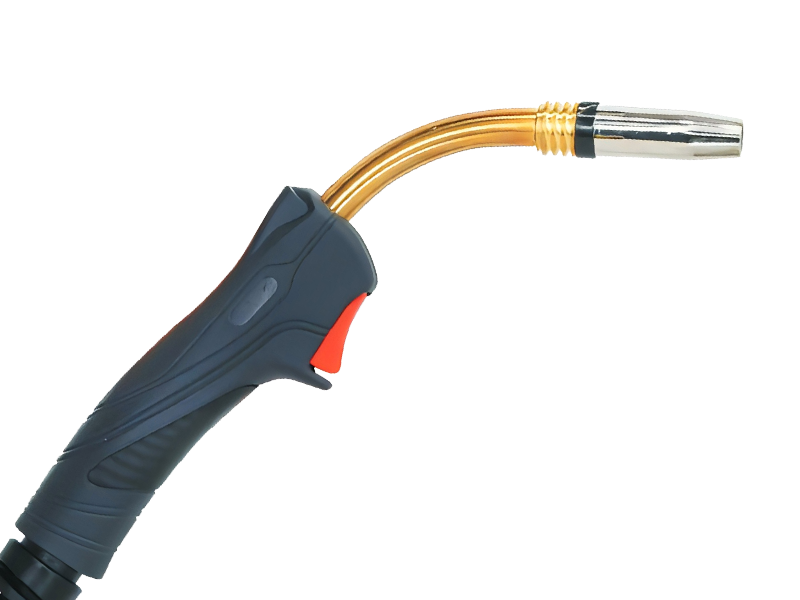
DIY Welding: A Comprehensive Guide to Replacing MIG Gun Parts Yourself
DIY Welding: How to Replace MIG Gun Parts Yourself
Table of Contents
1. Introduction to MIG Welding and Gun Components
2. Common Issues with MIG Guns
3. Tools Required for Replacing MIG Gun Parts
4. Identifying MIG Gun Parts and Their Functions
5. Step-by-Step Guide to Replacing MIG Gun Parts
5.1 Removing the MIG Gun from the Welder
5.2 Replace
MESSAGES
We will contact you within one working day. Please pay attention to your email.
Qucik Link
Contact
WhatsApp: +8615833370366
E-mail: zhaoyiqian@hrwelding.cn
Address: No. 105 Yongming Street, Dahe Road, East of Renqiu City, Hebei, China