
Essential Guide to MIG Torch Replacement: Ensuring Optimal Welding Performance
2026-04-25


---
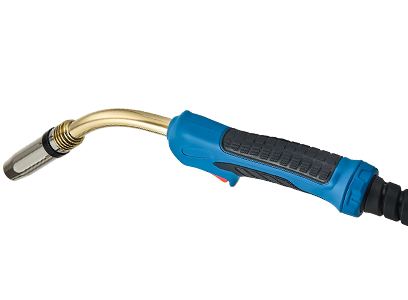
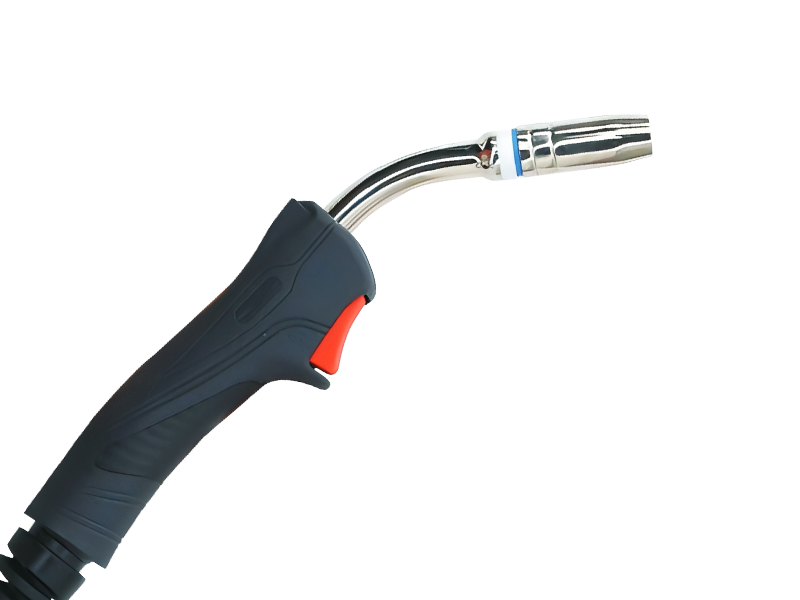
MIG torch replacement is a fundamental aspect of maintaining welding equipment, essential for achieving optimal performance and safety in your welding operations. Understanding when and how to replace your MIG torch can greatly impact the quality of your work, efficiency, and even the safety of the process.
One of the first signs that your MIG torch may need replacement is a noticeable decreas
---
MIG torch replacement is a fundamental aspect of maintaining welding equipment, essential for achieving optimal performance and safety in your welding operations. Understanding when and how to replace your MIG torch can greatly impact the quality of your work, efficiency, and even the safety of the process.
One of the first signs that your MIG torch may need replacement is a noticeable decrease in welding performance. If you find that your welds are becoming inconsistent or if there are issues with arc stability, it may indicate that the torch is worn or damaged. Common problems include nozzle wear, contact tip degradation, or a damaged gas diffuser. Regularly inspecting these components can help you identify issues early and prevent them from escalating into more significant problems.
When considering MIG torch replacement, it’s essential to understand the components involved. The key parts of a MIG torch include the nozzle, contact tip, and liner. The nozzle helps direct the shielding gas to protect the weld pool, while the contact tip conducts the welding current to the wire. Over time, these parts can wear out due to the extreme heat and metal spatter encountered during welding. Regular replacement of these components, even if the entire torch doesn't need replacing, can prolong the life of your welding equipment and enhance overall performance.
Additionally, selecting the right replacement parts is crucial. While there are many options available, it’s important to ensure compatibility with your existing welding machine and the specific type of welding being performed. Using mismatched or inferior-quality parts can lead to further issues down the line, including reduced efficiency and increased downtime.
Maintenance plays a significant role in extending the life of your MIG torch. Regular cleaning of the nozzle and contact tip helps prevent the buildup of spatter, which can impede gas flow and affect arc stability. It's also advisable to inspect the torch for any signs of wear or damage before starting a new project. Implementing a routine maintenance checklist can help you ensure that your equipment remains in optimal condition.
In conclusion, understanding MIG torch replacement is vital for any professional welder. By recognizing the signs of wear, knowing the key components involved, and committing to regular maintenance, you can ensure that your MIG welding operations run smoothly and efficiently. This knowledge not only enhances the quality of your work but also contributes to a safer working environment. Regular attention to your MIG torch will ultimately lead to better welding results and increased productivity on the job.
MIG torch replacement is a fundamental aspect of maintaining welding equipment, essential for achieving optimal performance and safety in your welding operations. Understanding when and how to replace your MIG torch can greatly impact the quality of your work, efficiency, and even the safety of the process.
One of the first signs that your MIG torch may need replacement is a noticeable decrease in welding performance. If you find that your welds are becoming inconsistent or if there are issues with arc stability, it may indicate that the torch is worn or damaged. Common problems include nozzle wear, contact tip degradation, or a damaged gas diffuser. Regularly inspecting these components can help you identify issues early and prevent them from escalating into more significant problems.
When considering MIG torch replacement, it’s essential to understand the components involved. The key parts of a MIG torch include the nozzle, contact tip, and liner. The nozzle helps direct the shielding gas to protect the weld pool, while the contact tip conducts the welding current to the wire. Over time, these parts can wear out due to the extreme heat and metal spatter encountered during welding. Regular replacement of these components, even if the entire torch doesn't need replacing, can prolong the life of your welding equipment and enhance overall performance.
Additionally, selecting the right replacement parts is crucial. While there are many options available, it’s important to ensure compatibility with your existing welding machine and the specific type of welding being performed. Using mismatched or inferior-quality parts can lead to further issues down the line, including reduced efficiency and increased downtime.
Maintenance plays a significant role in extending the life of your MIG torch. Regular cleaning of the nozzle and contact tip helps prevent the buildup of spatter, which can impede gas flow and affect arc stability. It's also advisable to inspect the torch for any signs of wear or damage before starting a new project. Implementing a routine maintenance checklist can help you ensure that your equipment remains in optimal condition.
In conclusion, understanding MIG torch replacement is vital for any professional welder. By recognizing the signs of wear, knowing the key components involved, and committing to regular maintenance, you can ensure that your MIG welding operations run smoothly and efficiently. This knowledge not only enhances the quality of your work but also contributes to a safer working environment. Regular attention to your MIG torch will ultimately lead to better welding results and increased productivity on the job.
TAG:
Related Posts

Water Cooled MIG Welding Torches: A Game Changer for Heavy-Duty Projects
Water Cooled MIG Welding Torches: A Game Changer for Heavy-Duty Projects
Table of Contents
1. Introduction to Water Cooled MIG Welding Torches
2. Understanding MIG Welding and Its Applications
3. The Science Behind Water Cooling Technology
3.1 How Water Cooling Works
3.2 Advantages Over Air-Cooled Torches
4. Benefits of Using Water Cooled MIG Welding Torches
4.1 Enhanced Performanc

MESSAGES
We will contact you within one working day. Please pay attention to your email.
Qucik Link
Contact
WhatsApp: +8615833370366
E-mail: zhaoyiqian@trevor-welding.com
Address: No. 105 Yongming Street, Dahe Road, East of Renqiu City, Hebei, China