
How to Set Up Your Water Cooled MIG Welding Torch for Optimal Performance
2026-04-22


How to Set Up Your Water Cooled MIG Welding Torch for Optimal Performance
Table of Contents
1. Introduction to Water Cooled MIG Welding Torches
2. Understanding the System Components
3. Choosing the Right Water Cooled MIG Welding Torch
4. Step-by-Step Guide to Setting Up Your Water Cooled MIG Welding Torch
5. Connecting the Water Cooling System
6. Testing and Optimizing Pe
How to Set Up Your Water Cooled MIG Welding Torch for Optimal Performance
Table of Contents
- 1. Introduction to Water Cooled MIG Welding Torches
- 2. Understanding the System Components
- 3. Choosing the Right Water Cooled MIG Welding Torch
- 4. Step-by-Step Guide to Setting Up Your Water Cooled MIG Welding Torch
- 5. Connecting the Water Cooling System
- 6. Testing and Optimizing Performance
- 7. Troubleshooting Common Issues
- 8. Maintenance Tips for Longevity
- 9. Conclusion
- 10. FAQs
1. Introduction to Water Cooled MIG Welding Torches
Water cooled MIG welding torches are essential tools in the welding industry, designed to manage heat effectively during high-performance welding tasks. Unlike their air-cooled counterparts, water cooled torches maintain lower temperatures, allowing for extended use without the risk of overheating. This capability is particularly critical in applications requiring prolonged welding sessions, ensuring consistent performance, improved arc stability, and reduced downtime.
2. Understanding the System Components
To set up your water cooled MIG welding torch effectively, it's crucial to understand the key components involved in the system:
2.1 Torch Body
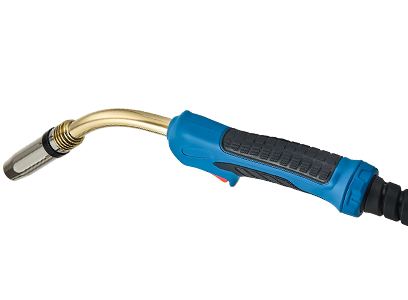
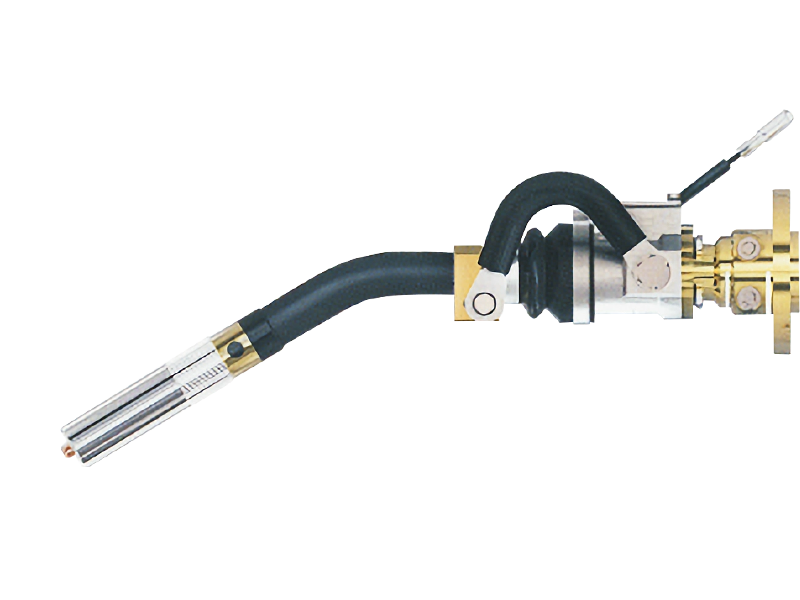
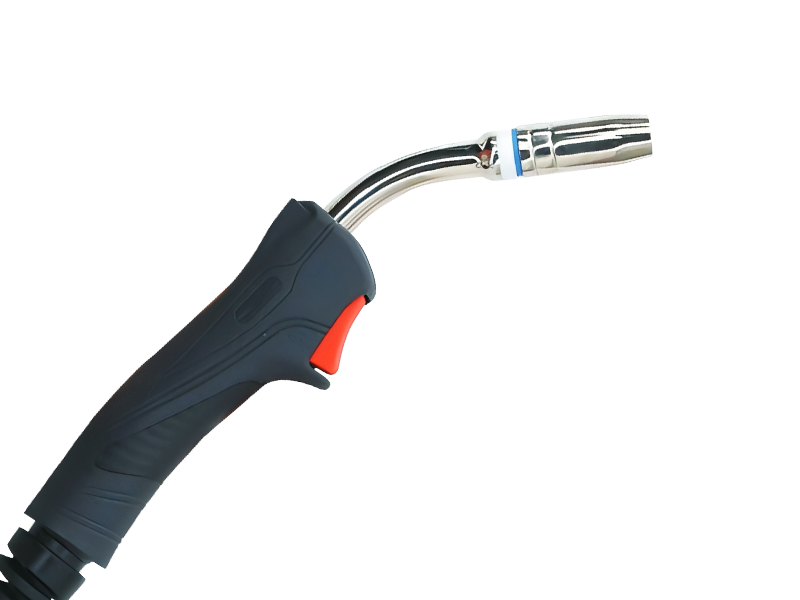
The torch body houses the essential elements, including the nozzle, contact tip, and the electrode. Selecting a high-quality torch body is vital for durability and performance.
2.2 Water Cooling Unit
The water cooling unit circulates coolant through the torch, dissipating heat and maintaining optimal working temperatures. Look for a reliable unit that integrates seamlessly with your welding setup.
2.3 Hoses and Connectors
Ensure that you have the right hoses and connectors for your setup. They must be compatible with both the torch and the cooling unit to avoid leaks and ensure efficient operation.
2.4 Power Supply
A stable and robust power supply is critical for successful MIG welding. Make sure it matches the specifications required for your torch and welding projects.
3. Choosing the Right Water Cooled MIG Welding Torch
Selecting the appropriate water cooled MIG welding torch is crucial for achieving optimal performance. Consider the following factors:
3.1 Welding Thickness
For welding materials of varying thicknesses, the torch's power rating should align with your specific application. Generally, higher amperage torches are better suited for thicker materials.
3.2 Duty Cycle
Evaluate the duty cycle of your torch to ensure it can handle the demands of your projects. A higher duty cycle translates to longer periods of continuous use.
3.3 Ergonomics
A comfortable grip and lightweight design can significantly enhance your welding experience. Look for torches that offer ergonomic features to reduce fatigue during extended sessions.
4. Step-by-Step Guide to Setting Up Your Water Cooled MIG Welding Torch
Setting up your water cooled MIG welding torch involves several steps to ensure proper functioning:
4.1 Gather Necessary Tools and Materials
Before beginning, assemble all tools and materials, including the water cooled torch, hoses, connectors, coolant, and power supply.
4.2 Assemble the Torch
Follow the manufacturer’s instructions to assemble the torch components. Pay close attention to the installation of the contact tip and nozzle, ensuring they are secure and correctly fitted.
4.3 Connect the Torch to the Power Supply
Securely attach the torch to the power supply, making sure all connections are tight to prevent electrical issues. Ensure the power supply settings match the requirements of your chosen torch.
5. Connecting the Water Cooling System
Properly connecting the water cooling system is essential for maintaining optimal torch performance:
5.1 Attach Water Hoses
Connect the appropriate hoses to the water cooling unit and the torch. Ensure a tight fit to prevent leaks, and check compatibility with your specific components.
5.2 Fill the Cooling Unit with Coolant
Choose a suitable coolant, such as distilled water or a specialized coolant mixture, and fill the cooling unit to the recommended level.
5.3 Check for Leaks
Turn on the water cooling unit and inspect all connections for leaks. Address any leaks immediately to avoid damage and ensure efficient operation.
6. Testing and Optimizing Performance
Once your setup is complete, conducting tests to optimize performance is crucial:
6.1 Perform a Test Weld
Begin with a small test weld on scrap material. Observe the arc stability, heat distribution, and overall weld quality.
6.2 Adjust Settings as Necessary
Based on your test weld results, make adjustments to the power settings, wire feed speed, and cooling system as needed to achieve the desired results.
7. Troubleshooting Common Issues
Even with a well-set-up water cooled MIG welding torch, issues may arise. Here are common problems and their solutions:
7.1 Inconsistent Arc Stability
If the arc is unstable, check your power settings, wire feed speed, and ensure that the contact tip is clean and properly installed.
7.2 Overheating
Overheating can occur if the cooling system is not functioning correctly. Inspect hoses for blockages and ensure the coolant level is sufficient.
7.3 Poor Weld Penetration
If you experience poor weld penetration, double-check your torch angle and travel speed. Also, verify that you're using the correct amperage for the material thickness.
8. Maintenance Tips for Longevity
Regular maintenance is key to prolonging the life of your water cooled MIG welding torch:
8.1 Regular Cleaning
Clean the torch components regularly to prevent buildup of weld spatter and contaminants. This includes the nozzle, contact tip, and gas diffuser.
8.2 Inspect Hoses and Connectors
Periodically check hoses and connectors for wear and tear. Replace any damaged components to avoid leaks and ensure proper coolant circulation.
8.3 Replace Consumables
Replace the contact tip and nozzle as needed. Worn consumables can impact weld quality and performance, leading to poor results.
9. Conclusion
Setting up your water cooled MIG welding torch correctly is imperative for achieving optimal performance and high-quality welds. By understanding the components, following a systematic setup procedure, and maintaining your equipment, you can ensure that your welding projects are completed efficiently and effectively. Embrace the power of a well-functioning water cooled torch, and watch your welding skills reach new heights.
10. FAQs
10.1 What is a water cooled MIG welding torch?
A water cooled MIG welding torch is a type of welding torch that uses water to dissipate heat, allowing for longer continuous use without overheating.
10.2 How do I know if my torch is set up correctly?
A properly set up torch will produce a stable arc and high-quality welds. Conduct test welds and check for consistent performance.
10.3 What type of coolant should I use?
Distilled water is commonly used, but specialized coolant mixtures are also available for enhanced performance.
10.4 How often should I perform maintenance on my torch?
Regular maintenance, including cleaning and inspection, should be performed frequently, especially after extended use.
10.5 What are the benefits of using a water cooled torch?
Water cooled torches provide better heat management, allowing for longer welding sessions, improved arc stability, and reduced downtime due to overheating.
TAG:
Related Posts

Water Cooled MIG Welding Torches: A Game Changer for Heavy-Duty Projects
Water Cooled MIG Welding Torches: A Game Changer for Heavy-Duty Projects
Table of Contents
1. Introduction to Water Cooled MIG Welding Torches
2. Understanding MIG Welding and Its Applications
3. The Science Behind Water Cooling Technology
3.1 How Water Cooling Works
3.2 Advantages Over Air-Cooled Torches
4. Benefits of Using Water Cooled MIG Welding Torches
4.1 Enhanced Performanc

MESSAGES
We will contact you within one working day. Please pay attention to your email.
Qucik Link
Contact
WhatsApp: +8615833370366
E-mail: zhaoyiqian@trevor-welding.com
Address: No. 105 Yongming Street, Dahe Road, East of Renqiu City, Hebei, China