
Exploring the Importance of Quality Accessories in MIG Welding
2026-03-05


Exploring the Importance of Quality Accessories in MIG Welding
MIG welding, or Metal Inert Gas welding, is one of the most popular welding processes in use today. It combines efficiency with versatility, making it essential for various applications, from automotive repair to construction. However, the quality of the welding accessories used can significantly influence the outcome of the welding pr
Exploring the Importance of Quality Accessories in MIG Welding
MIG welding, or Metal Inert Gas welding, is one of the most popular welding processes in use today. It combines efficiency with versatility, making it essential for various applications, from automotive repair to construction. However, the quality of the welding accessories used can significantly influence the outcome of the welding process. In this article, we will explore the importance of quality accessories in MIG welding, discussing their benefits, types, and how to choose the right ones for your needs.
Table of Contents
1. Understanding MIG Welding
2. Essential MIG Welding Accessories
3. The Impact of Accessory Quality on Welding Performance
4. Choosing the Right MIG Welding Gun
5. The Importance of Quality Welding Wire
6. Selecting the Best Gas Shielding Options
7. Safety Gear: Protecting Yourself While Welding
8. Maintenance Tips for MIG Welding Accessories
9. Frequently Asked Questions (FAQs)
10. Conclusion
1. Understanding MIG Welding
MIG welding is a process that utilizes a continuous wire feed as an electrode and an inert gas to protect the weld from contamination. The simplicity of MIG welding makes it accessible to beginners, while its effectiveness makes it a favorite among seasoned professionals. However, achieving high-quality welds consistently requires not only skill but also the right accessories.
2. Essential MIG Welding Accessories
To achieve optimal results in MIG welding, several accessories are essential. These include the welding gun, welding wire, gas cylinder, and more. Each component plays a critical role in ensuring the process runs smoothly.
2.1 Welding Gun
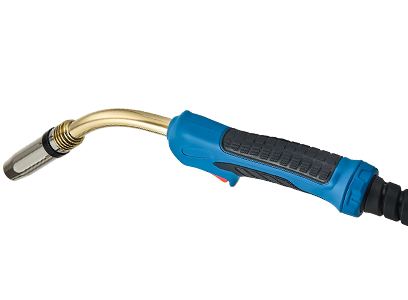
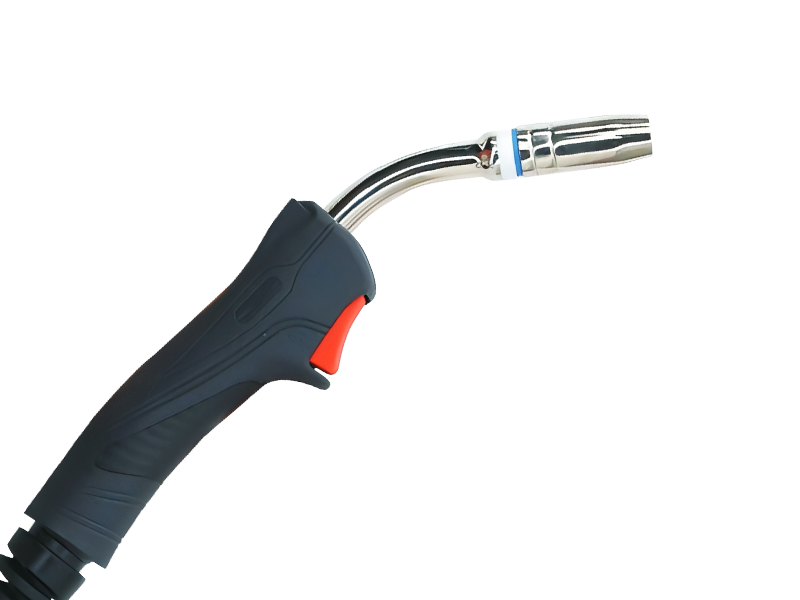
The welding gun is the primary tool in MIG welding, delivering the wire and shielding gas to the weld pool. A quality welding gun ensures precise control and minimizes issues like poor arc stability and excessive spatter.
2.2 Welding Wire
Welding wire varies in diameter and composition, impacting the strength and quality of the weld. It's crucial to select the right type of wire for the materials being welded.
2.3 Gas Cylinder
The shielding gas protects the weld from atmospheric contamination. The most common gases used are argon, carbon dioxide, or a blend of both. The quality of the gas affects the weld's integrity and appearance.
2.4 Contact Tips and Nozzles
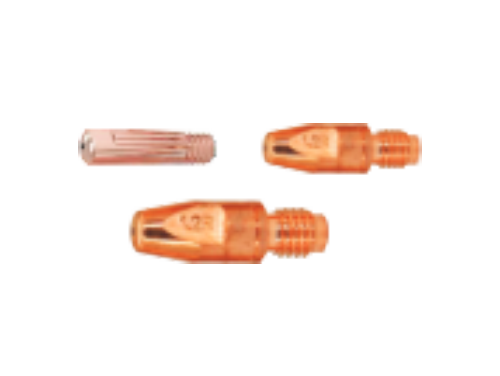
These components are often overlooked but are vital for maintaining a stable arc and directing the shielding gas. Choosing quality tips and nozzles can reduce wear and improve the welding process.
3. The Impact of Accessory Quality on Welding Performance
The quality of MIG welding accessories can make or break a project. High-quality accessories contribute to better weld penetration, reduced spatter, and improved overall aesthetics. Poor quality accessories, on the other hand, can lead to inconsistent results, requiring additional time and resources to correct.
4. Choosing the Right MIG Welding Gun
Selecting the appropriate welding gun involves considering factors like power rating, duty cycle, and ergonomics. A gun with a higher duty cycle is ideal for prolonged use, while a comfortable grip can reduce fatigue during extended welding sessions.
4.1 Ergonomics Matter
We often underestimate the importance of ergonomics in welding. A well-designed gun allows for better control, reducing the likelihood of inaccuracies during the welding process.
4.2 Power and Duty Cycle
Understanding the power requirements of your welding projects can help you choose a gun that meets those needs without overheating or failing prematurely.
5. The Importance of Quality Welding Wire
The welding wire is the consumable that melts to form the weld. Choosing the right wire is essential not only for compatibility with the base materials but also for ensuring the desired mechanical properties of the finished product.
5.1 Different Types of Welding Wire
Exploring various types of welding wire, such as solid wire, flux-cored wire, and metal-cored wire, can help determine the best option for specific applications.
5.2 Diameter Considerations
The diameter of the welding wire affects the heat input and the rate of deposition. A larger diameter wire typically allows for faster welding but may require more heat input.
6. Selecting the Best Gas Shielding Options
Choosing the right shielding gas is critical for achieving the desired weld quality. Different materials and thicknesses may require specific gas mixtures to ensure optimal results.
6.1 Argon vs. Carbon Dioxide
Argon provides a more stable arc with cleaner welds, while carbon dioxide is more cost-effective but can lead to increased spatter. Understanding the trade-offs helps in making informed decisions.
7. Safety Gear: Protecting Yourself While Welding
Safety should always be a priority in any welding operation. Quality safety gear, including helmets, gloves, and protective clothing, is essential to prevent injuries.
7.1 Importance of a Good Welding Helmet
Investing in a quality welding helmet with auto-darkening features can greatly improve visibility while protecting your eyes from harmful radiation.
7.2 Protective Gloves and Clothing
Choosing gloves that provide both dexterity and protection is crucial, as well as ensuring your clothing is flame-resistant and covers exposed skin.
8. Maintenance Tips for MIG Welding Accessories
Maintaining your MIG welding accessories is vital for ensuring long-term performance and reliability. Regular checks and cleaning can prevent issues, prolonging the lifespan of your tools.
8.1 Regular Cleaning
After each use, it's essential to clean the welding gun and replace contact tips as necessary to maintain optimal performance.
8.2 Storing Accessories Properly
Proper storage of welding accessories, especially welding wire and gas cylinders, helps maintain their quality and safety.
9. Frequently Asked Questions (FAQs)
9.1 What are the best MIG welding accessories for beginners?
For beginners, a basic MIG welding gun, solid welding wire, and a reliable gas cylinder are essential. Quality safety gear is also crucial for protection.
9.2 How often should I replace my contact tips?
Contact tips should be inspected regularly. If you notice wear or changes in weld quality, it's time to replace them.
9.3 What is the difference between solid wire and flux-cored wire?
Solid wire is best for clean, thin materials, while flux-cored wire is suitable for outdoor use and thicker materials, as it does not require shielding gas.
9.4 How can I improve my MIG welding technique?
Practicing different techniques and settings, as well as investing in quality accessories, can significantly improve your MIG welding skills.
9.5 Why is safety gear important in MIG welding?
Safety gear protects against burns, UV radiation, and fumes associated with the welding process, ensuring a safer working environment.
10. Conclusion
In conclusion, the importance of quality accessories in MIG welding cannot be overstated. From the welding gun to the gas shielding options, every component plays a vital role in achieving high-quality welds. Investing in top-notch accessories not only enhances your welding performance but also promotes safety and longevity in your projects. By understanding the various components and their significance, you can make informed decisions that lead to superior results in your welding endeavors. Remember, in the world of welding, quality matters.
TAG:
Previous:
Related Posts
Exploring the Importance of Quality Accessories in MIG Welding
Exploring the Importance of Quality Accessories in MIG Welding
MIG welding, or Metal Inert Gas welding, is one of the most popular welding processes in use today. It combines efficiency with versatility, making it essential for various applications, from automotive repair to construction. However, the quality of the welding accessories used can significantly influence the outcome of the welding pr

MESSAGES
We will contact you within one working day. Please pay attention to your email.
Qucik Link
Contact
WhatsApp: +8615833370366
E-mail: zhaoyiqian@hrwelding.cn
Address: No. 105 Yongming Street, Dahe Road, East of Renqiu City, Hebei, China