
Comparing OEM vs. Aftermarket MIG Gun Parts: A Comprehensive Guide
2026-02-27


Comparing OEM vs. Aftermarket MIG Gun Parts: A Comprehensive Guide
When it comes to MIG welding, the choice of equipment is paramount. One of the most debated topics in the welding community is whether to opt for OEM (Original Equipment Manufacturer) MIG gun parts or to consider aftermarket alternatives. This article provides a thorough comparison of OEM vs. aftermarket MIG gun parts, helping you
Comparing OEM vs. Aftermarket MIG Gun Parts: A Comprehensive Guide
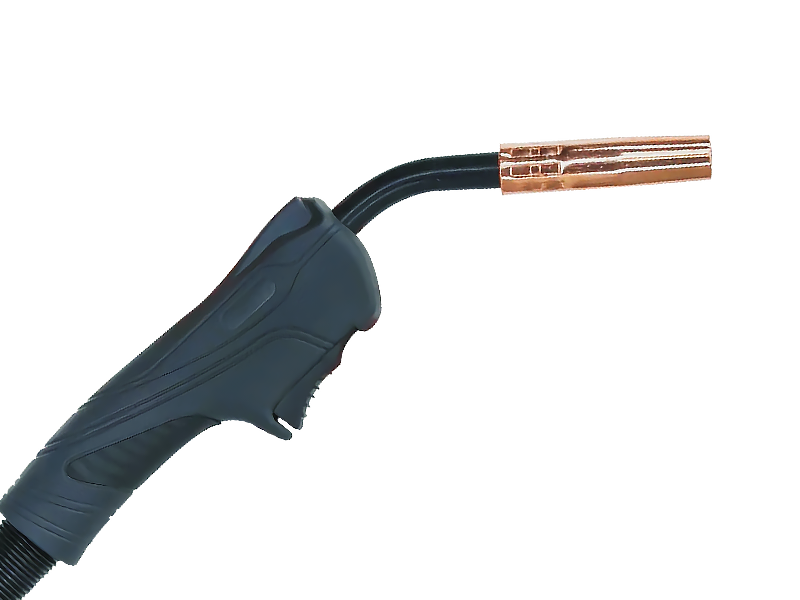
When it comes to MIG welding, the choice of equipment is paramount. One of the most debated topics in the welding community is whether to opt for OEM (Original Equipment Manufacturer) MIG gun parts or to consider aftermarket alternatives. This article provides a thorough comparison of OEM vs. aftermarket MIG gun parts, helping you make an informed decision that suits your welding needs.
Table of Contents
- 1. Introduction
- 2. Understanding OEM MIG Gun Parts
- 3. Understanding Aftermarket MIG Gun Parts
- 4. Key Differences Between OEM and Aftermarket Parts
- 5. Quality and Performance Analysis
- 6. Cost-Effectiveness of OEM vs. Aftermarket Parts
- 7. Compatibility and Availability Issues
- 8. Customer Feedback: OEM vs. Aftermarket
- 9. Frequently Asked Questions
- 10. Conclusion
1. Introduction
Welding is an essential process in various industries, from automotive to construction. The MIG gun, a crucial component of MIG welding, can significantly affect the quality of the weld and the overall efficiency of the process. As such, understanding the differences between OEM and aftermarket MIG gun parts is vital for both professionals and hobbyists alike.
2. Understanding OEM MIG Gun Parts
OEM MIG gun parts are manufactured by the same company that produces the welding equipment. These parts are designed to match the original specifications and are often considered the gold standard for quality and reliability.
Benefits of Using OEM Parts
- **Quality Assurance**: OEM parts undergo rigorous quality checks and are crafted to meet specific standards.
- **Warranty Coverage**: Using OEM parts typically ensures that the warranty of your MIG welder remains intact.
- **Consistent Performance**: OEM parts are engineered to work seamlessly with original machines, minimizing compatibility issues.
Limitations of OEM Parts
- **Higher Costs**: OEM parts often come at a premium price, which may not be feasible for everyone.
- **Limited Availability**: In some cases, OEM parts may not be readily available, especially for older models.
3. Understanding Aftermarket MIG Gun Parts
Aftermarket MIG gun parts are produced by third-party manufacturers and are designed to fit a variety of MIG welding machines. These parts can offer a range of prices and features that may appeal to different users.
Benefits of Using Aftermarket Parts
- **Cost-Effectiveness**: Aftermarket parts are usually less expensive than OEM parts, making them a popular choice for budget-conscious consumers.
- **Variety**: Numerous manufacturers produce aftermarket parts, providing a wide range of options in terms of design and functionality.
- **Innovation**: Some aftermarket parts may incorporate innovative features that enhance performance or usability.
Limitations of Aftermarket Parts
- **Variable Quality**: The quality of aftermarket parts can vary significantly, so it's essential to do your research.
- **Warranty Issues**: Using aftermarket components may void the warranty of your MIG welder.
4. Key Differences Between OEM and Aftermarket Parts
The choice between OEM and aftermarket MIG gun parts boils down to several critical factors, including quality, cost, compatibility, and personal preferences.
1. Quality Control
OEM parts are subjected to stringent quality control measures, while aftermarket parts may not always meet the same standards. This discrepancy can lead to variations in performance and durability.
2. Price Considerations
Aftermarket parts generally offer a lower price point. However, buyers must weigh the potential risk of inferior quality against the cost savings.
3. Availability
OEM parts can sometimes be challenging to find, especially for older machines, whereas aftermarket parts are often more widely available due to the number of manufacturers.
4. Compatibility
OEM parts are designed explicitly for specific models, while aftermarket parts may fit a variety of machines. This flexibility can be advantageous but may also require additional research to ensure compatibility.
5. Quality and Performance Analysis
When evaluating the quality and performance of MIG gun parts, it’s essential to consider factors like material composition, design, and user reviews.
Material Composition
OEM parts are typically made from high-quality materials that offer better heat resistance and longevity. In contrast, some aftermarket parts may use cheaper materials, which can lead to faster wear and tear.
Performance Metrics
Performance metrics such as arc stability, ease of use, and overall welding quality can vary between OEM and aftermarket parts. Users must test and compare parts to determine which offers superior results for their specific applications.
6. Cost-Effectiveness of OEM vs. Aftermarket Parts
Cost is a significant factor in the decision-making process. While OEM parts may initially seem more expensive, their durability and reliability could save users money in the long run.
Long-Term Investment
Investing in OEM parts often results in fewer replacements and repairs over time. Aftermarket parts can be a short-term solution, but their lower quality may lead to increased costs through more frequent failures.
Budget-Friendly Options
For those on a tight budget, aftermarket parts can provide a viable alternative, allowing for flexibility in welding tasks. However, purchasing from reputable manufacturers can mitigate risks associated with quality and performance.
7. Compatibility and Availability Issues
Compatibility is crucial when selecting MIG gun parts. OEM parts ensure a perfect fit, while aftermarket parts may require additional consideration.
Assessing Compatibility
It’s essential to check specifications, including part numbers and machine models, when selecting aftermarket parts. Investing time in research can spare users from future headaches regarding fit and performance.
Availability Challenges
While OEM parts may be harder to find for older models, the aftermarket market provides a plethora of options. However, users should verify the reputation of retailers to avoid subpar products.
8. Customer Feedback: OEM vs. Aftermarket
User experiences can reveal a lot about the practical differences between OEM and aftermarket MIG gun parts.
Reviews and Ratings
Many customers report satisfaction with OEM parts due to their reliability and performance. However, others find aftermarket options to be adequate, especially if they are cost-conscious.
Real-World Experiences
Feedback can vary significantly based on individual use cases. Some welders may find that aftermarket parts serve their needs perfectly well, while others may experience issues that lead them back to OEM options.
9. Frequently Asked Questions
1. Are OEM MIG gun parts worth the higher price?
Yes, OEM parts generally offer superior quality and reliability, leading to fewer issues and potentially lower long-term costs.
2. Can I mix OEM and aftermarket parts?
While it’s possible, mixing parts can lead to compatibility issues. It’s best to ensure that any combination of parts is recommended by the manufacturer or based on reliable user experiences.
3. How do I know which aftermarket parts are good quality?
Research reputable brands, read user reviews, and consult with professional welders or forums before making a purchase.
4. Will using aftermarket parts void my warranty?
In many cases, using aftermarket components can void the warranty of your MIG welder. Always check the warranty policy before making changes.
5. What should I prioritize when choosing between OEM and aftermarket parts?
Consider factors like quality, cost, compatibility, and personal experience. Your specific welding needs should guide your decision.
10. Conclusion
Choosing between OEM and aftermarket MIG gun parts requires careful consideration of your specific needs and circumstances. While OEM parts offer unparalleled quality and reliability, aftermarket options can provide cost-effective solutions, especially for budget-conscious users. By evaluating the differences outlined in this article, you can make an informed choice that ensures the success of your welding projects. Whether you prioritize quality, cost, or compatibility, understanding the characteristics of each option will help you achieve the best outcomes in your welding endeavors.
TAG:
Related Posts

Comparing OEM vs. Aftermarket MIG Gun Parts: A Comprehensive Guide
Comparing OEM vs. Aftermarket MIG Gun Parts: A Comprehensive Guide
When it comes to MIG welding, the choice of equipment is paramount. One of the most debated topics in the welding community is whether to opt for OEM (Original Equipment Manufacturer) MIG gun parts or to consider aftermarket alternatives. This article provides a thorough comparison of OEM vs. aftermarket MIG gun parts, helping you

MESSAGES
We will contact you within one working day. Please pay attention to your email.
Qucik Link
Contact
WhatsApp: +8615833370366
E-mail: zhaoyiqian@hrwelding.cn
Address: No. 105 Yongming Street, Dahe Road, East of Renqiu City, Hebei, China