
Understanding Water-Cooled MIG Welding Machines: A Comprehensive Guide
2026-02-18


Water-cooled MIG welding machines are an essential tool for many professionals in the welding industry. Unlike traditional air-cooled models, these machines utilize a water-cooling system to help manage the heat generated during the welding process. This article provides an overview of the technology behind water-cooled MIG welding machines, their advantages, and how they are used in various appli
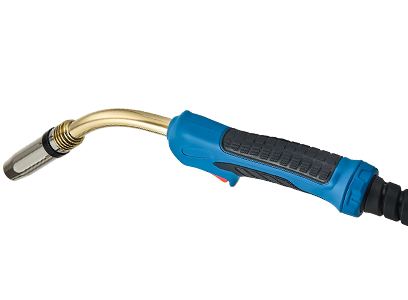
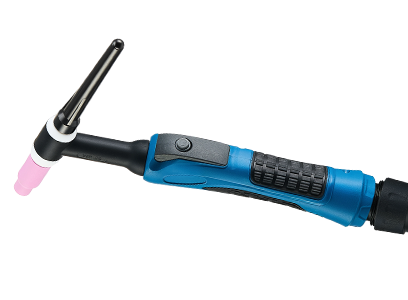
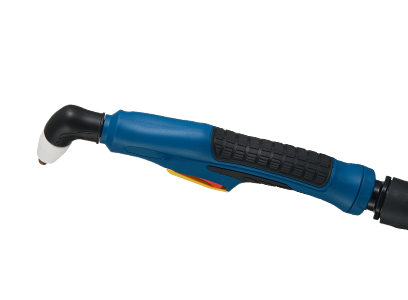
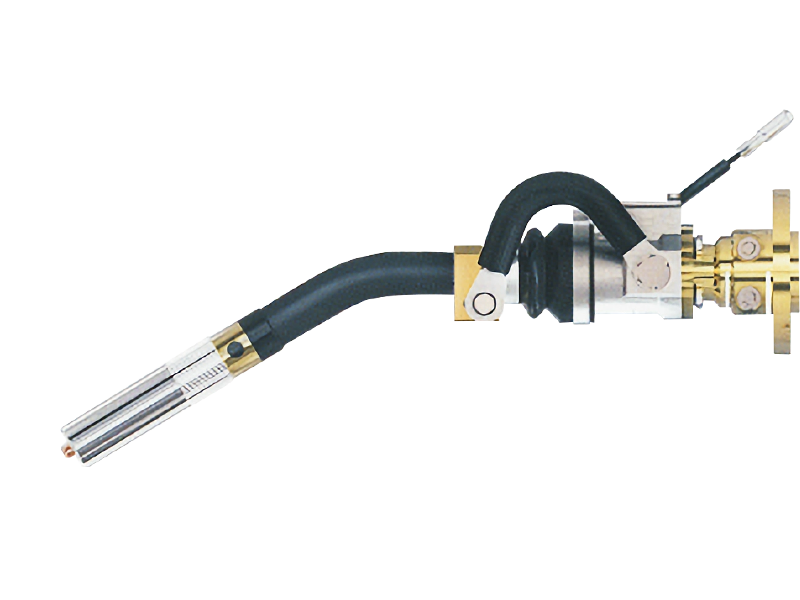
Water-cooled MIG welding machines are an essential tool for many professionals in the welding industry. Unlike traditional air-cooled models, these machines utilize a water-cooling system to help manage the heat generated during the welding process. This article provides an overview of the technology behind water-cooled MIG welding machines, their advantages, and how they are used in various applications.
One of the primary benefits of water-cooled MIG welding machines is their ability to operate at higher duty cycles. This means that they can weld for longer periods without overheating, making them ideal for heavy-duty tasks and industrial applications. The water cooling system circulates coolant through the welding torch, effectively dissipating heat and allowing for consistent performance even in demanding conditions.
In addition to higher duty cycles, water-cooled MIG welding machines also offer improved precision and control. The ability to maintain optimal temperatures helps prevent warping or distortion in the materials being welded, resulting in cleaner, more reliable welds. This is particularly important in industries where precision is critical, such as automotive manufacturing or aerospace.
Another advantage of using water-cooled MIG welding machines is their efficiency in terms of energy consumption. While they may require some initial setup related to the cooling system, once operational, they can provide significant energy savings by reducing the need for frequent pauses to let the equipment cool down. This efficiency can lead to increased productivity on the job site.
When it comes to maintenance, water-cooled systems do require some additional care compared to their air-cooled counterparts. Regularly checking the coolant levels and ensuring there are no leaks in the system are essential to maintaining optimal performance. However, with proper maintenance, these machines can have long service lives, providing a solid return on investment for businesses.
Water-cooled MIG welding machines are commonly used in various sectors, including shipbuilding, construction, and fabrication shops. Their ability to handle thicker materials and produce high-quality welds makes them a preferred choice for professionals in these fields.
In summary, water-cooled MIG welding machines provide numerous benefits, such as extended duty cycles, enhanced precision, and improved energy efficiency. Understanding the features and operational principles of these machines can help professionals select the right equipment for their specific welding needs. As the welding industry continues to advance, the role of water-cooled systems will likely become even more significant, making it essential for individuals in the field to stay informed about these innovations.
One of the primary benefits of water-cooled MIG welding machines is their ability to operate at higher duty cycles. This means that they can weld for longer periods without overheating, making them ideal for heavy-duty tasks and industrial applications. The water cooling system circulates coolant through the welding torch, effectively dissipating heat and allowing for consistent performance even in demanding conditions.
In addition to higher duty cycles, water-cooled MIG welding machines also offer improved precision and control. The ability to maintain optimal temperatures helps prevent warping or distortion in the materials being welded, resulting in cleaner, more reliable welds. This is particularly important in industries where precision is critical, such as automotive manufacturing or aerospace.
Another advantage of using water-cooled MIG welding machines is their efficiency in terms of energy consumption. While they may require some initial setup related to the cooling system, once operational, they can provide significant energy savings by reducing the need for frequent pauses to let the equipment cool down. This efficiency can lead to increased productivity on the job site.
When it comes to maintenance, water-cooled systems do require some additional care compared to their air-cooled counterparts. Regularly checking the coolant levels and ensuring there are no leaks in the system are essential to maintaining optimal performance. However, with proper maintenance, these machines can have long service lives, providing a solid return on investment for businesses.
Water-cooled MIG welding machines are commonly used in various sectors, including shipbuilding, construction, and fabrication shops. Their ability to handle thicker materials and produce high-quality welds makes them a preferred choice for professionals in these fields.
In summary, water-cooled MIG welding machines provide numerous benefits, such as extended duty cycles, enhanced precision, and improved energy efficiency. Understanding the features and operational principles of these machines can help professionals select the right equipment for their specific welding needs. As the welding industry continues to advance, the role of water-cooled systems will likely become even more significant, making it essential for individuals in the field to stay informed about these innovations.
TAG:
Related Posts
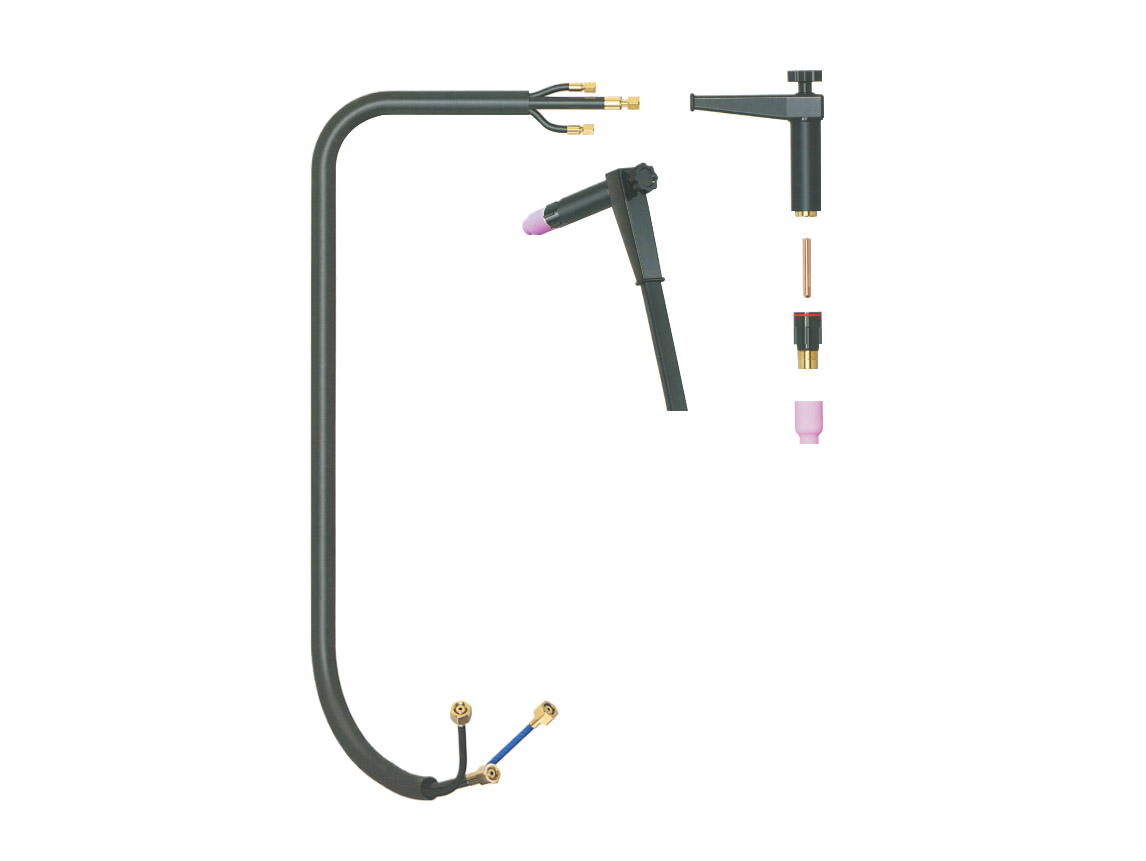
The Essential TIG Consumables Kit for Hobbyists and Professionals Alike
The Essential TIG Consumables Kit for Hobbyists and Professionals Alike
Table of Contents
1. Introduction to TIG Welding and Its Importance
2. What is TIG Welding?
3. Understanding TIG Consumables
4. The Essential TIG Consumables Kit
4.1. Tungsten Electrodes
4.2. Gas Nozzles
4.3. Collets and Collet Cones
4.4. Tungsten Grinde

MESSAGES
We will contact you within one working day. Please pay attention to your email.
Qucik Link
Contact
WhatsApp: +8615833370366
E-mail: zhaoyiqian@hrwelding.cn
Address: No. 105 Yongming Street, Dahe Road, East of Renqiu City, Hebei, China