
MIG Torch Replacement: A Comprehensive Guide for Optimal Welding Performance
2026-02-24


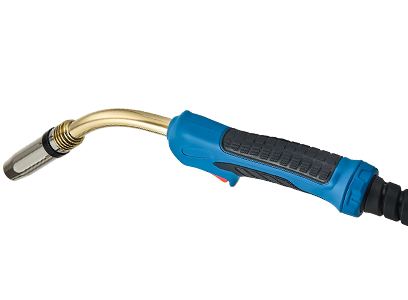
When it comes to MIG welding, the torch is one of the most critical components that directly affects the quality of your welds. Over time, wear and tear can diminish the performance of your MIG torch, making it vital to consider a MIG torch replacement. Understanding when and how to replace your torch can significantly enhance your welding efficiency and results.
The primary signs that a MIG torch
When it comes to MIG welding, the torch is one of the most critical components that directly affects the quality of your welds. Over time, wear and tear can diminish the performance of your MIG torch, making it vital to consider a MIG torch replacement. Understanding when and how to replace your torch can significantly enhance your welding efficiency and results.
The primary signs that a MIG torch needs replacement include visible damage, decreased welding performance, and increased spatter. If you notice that your welds are inconsistent or you experience difficulties feeding the wire, it's time to inspect your torch closely. Components like the nozzle, contact tip, and gas diffuser are particularly susceptible to wear and may require replacement even if the entire torch doesn’t need to be changed.
When selecting a MIG torch replacement, consider the amperage rating and compatibility with your welding machine. The right torch should not only fit your welder but also meet the specific requirements of the material you are working with. For example, using a torch designed for higher amperage can be beneficial for thicker materials, while a lighter torch may be adequate for thinner sheets.
Additionally, pay attention to the cable length and flexibility of the torch. A longer, more flexible cable can enhance maneuverability, allowing for better access to tight spaces during welding. It's also essential to choose high-quality components to ensure durability and reliability. Investing in a robust MIG torch can save you time and money in the long run, reducing the frequency of replacements and maintenance.
Regular maintenance of your MIG torch can also prolong its lifespan. After each use, clean the nozzle and contact tip to prevent buildup of spatter and ensure better gas flow. This simple step can help maintain consistent welding results and reduce the need for frequent replacements.
In summary, a MIG torch replacement is a crucial aspect of maintaining high-quality welds. By recognizing the signs of wear and understanding the factors involved in selecting a replacement, you can significantly improve your welding projects. Remember to prioritize quality and compatibility in your choices, and don't overlook the importance of regular maintenance to extend the life of your torch. With the right knowledge and approach, you'll ensure your MIG welding tasks are executed with precision and effectiveness.
The primary signs that a MIG torch needs replacement include visible damage, decreased welding performance, and increased spatter. If you notice that your welds are inconsistent or you experience difficulties feeding the wire, it's time to inspect your torch closely. Components like the nozzle, contact tip, and gas diffuser are particularly susceptible to wear and may require replacement even if the entire torch doesn’t need to be changed.
When selecting a MIG torch replacement, consider the amperage rating and compatibility with your welding machine. The right torch should not only fit your welder but also meet the specific requirements of the material you are working with. For example, using a torch designed for higher amperage can be beneficial for thicker materials, while a lighter torch may be adequate for thinner sheets.
Additionally, pay attention to the cable length and flexibility of the torch. A longer, more flexible cable can enhance maneuverability, allowing for better access to tight spaces during welding. It's also essential to choose high-quality components to ensure durability and reliability. Investing in a robust MIG torch can save you time and money in the long run, reducing the frequency of replacements and maintenance.
Regular maintenance of your MIG torch can also prolong its lifespan. After each use, clean the nozzle and contact tip to prevent buildup of spatter and ensure better gas flow. This simple step can help maintain consistent welding results and reduce the need for frequent replacements.
In summary, a MIG torch replacement is a crucial aspect of maintaining high-quality welds. By recognizing the signs of wear and understanding the factors involved in selecting a replacement, you can significantly improve your welding projects. Remember to prioritize quality and compatibility in your choices, and don't overlook the importance of regular maintenance to extend the life of your torch. With the right knowledge and approach, you'll ensure your MIG welding tasks are executed with precision and effectiveness.
TAG:
Related Posts
Enhancing Your Skills: Advanced Techniques for 250 Amp TIG Welding
Enhancing Your Skills: Advanced Techniques for 250 Amp TIG Welding
Table of Contents
1. Introduction to 250 Amp TIG Welding
2. Understanding TIG Welding: A Brief Overview
3. Essential Equipment for 250 Amp TIG Welding
4. Preparation Techniques: Setting Up for Success
5. Advanced Welding Techniques for Enhanced Performance
5.1 Mastering Control and Precisio

MESSAGES
We will contact you within one working day. Please pay attention to your email.
Qucik Link
Contact
WhatsApp: +8615833370366
E-mail: zhaoyiqian@hrwelding.cn
Address: No. 105 Yongming Street, Dahe Road, East of Renqiu City, Hebei, China