
Essential Equipment for MIG Welding: A Comprehensive Guide
2026-03-02


MIG welding, or Gas Metal Arc Welding (GMAW), is a popular welding process that combines a continuous wire feed with an inert gas to create a strong and clean weld. To achieve the best results, having the right equipment is crucial. Here’s an overview of the essential equipment needed for MIG welding.
**1. MIG Welder:**
The most vital piece of equipment is, of course, the MIG welder itself. This
MIG welding, or Gas Metal Arc Welding (GMAW), is a popular welding process that combines a continuous wire feed with an inert gas to create a strong and clean weld. To achieve the best results, having the right equipment is crucial. Here’s an overview of the essential equipment needed for MIG welding.
**1. MIG Welder:**
The most vital piece of equipment is, of course, the MIG welder itself. This machine controls the wire feed and regulates the gas supply. Look for a welder that suits your specific needs in terms of power output and features. Many models also offer adjustable settings for different materials and thicknesses.
**2. Welding Wire:**
MIG welding uses a variety of filler wires. The most common type is ER70S-6, which is suitable for a range of applications. Ensure the wire diameter matches the thickness of the materials you are working with; typically, 0.030 inch or 0.035 inch wires are popular choices.
**3. Shielding Gas:**
Shielding gas is critical to protect the weld pool from contamination. Common gases used in MIG welding include carbon dioxide (CO2) or a mix of argon and CO2. Each type of gas has its advantages, with argon providing a cleaner finish while CO2 is more economical.
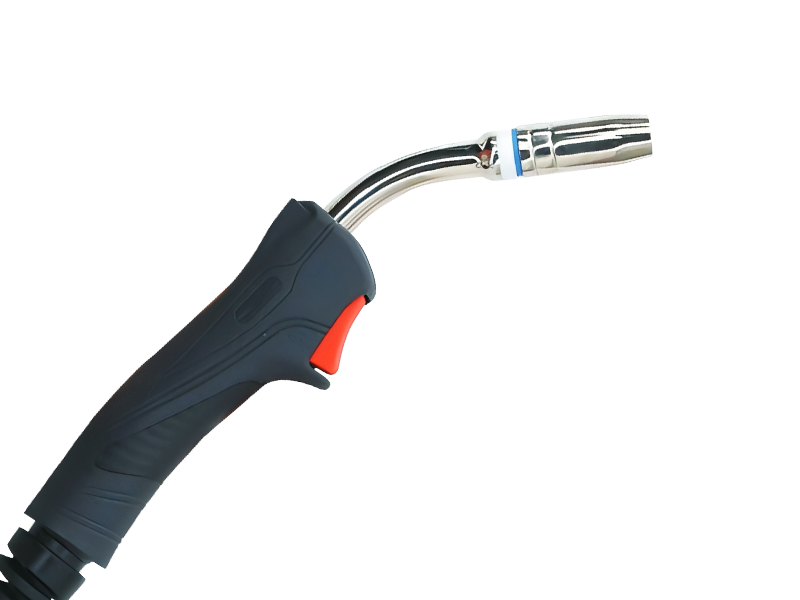
**4. Welding Torch:**
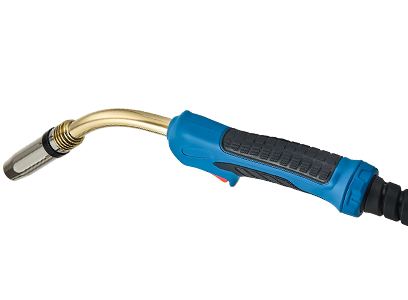
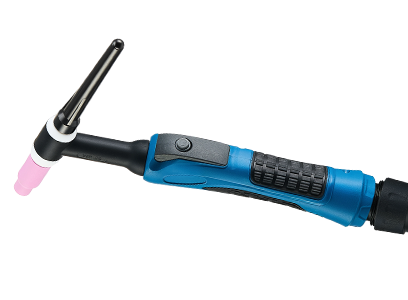
The welding torch is the tool used to deliver the welding wire and shielding gas to the weld area. Ensure your torch is compatible with your welder and comes equipped with a comfortable grip and appropriate nozzle size.
**5. Workpiece Material:**
Having the right base material is essential for successful welding. Steel, stainless steel, and aluminum are popular choices. Make sure the materials are clean and free of rust, paint, or oil to ensure strong welds.
**6. Protective Gear:**
Safety should always be a top priority in welding. Invest in high-quality protective gear, including a welding helmet, gloves, and fire-resistant clothing. A welding helmet with an auto-darkening feature can make the process more comfortable and safer.
**7. Clamps and Fixtures:**
To hold your workpieces in place, use clamps and fixtures. They will help ensure that your materials remain stable during the welding process, contributing to more accurate and consistent welds.
**8. Cleaning Tools:**
Post-weld cleaning is important for maintaining the quality of your work. Wire brushes, grinders, and chemical cleaners can help remove slag, spatter, and oxidation from welds.
In conclusion, having the right equipment is essential for successful MIG welding. From the welding machine to protective gear, each component plays a crucial role in achieving high-quality welds. By ensuring you have all the necessary tools, you set yourself up for success in your welding endeavors. Whether you are a novice or an experienced welder, familiarizing yourself with this equipment will enhance your skills and results.
**1. MIG Welder:**
The most vital piece of equipment is, of course, the MIG welder itself. This machine controls the wire feed and regulates the gas supply. Look for a welder that suits your specific needs in terms of power output and features. Many models also offer adjustable settings for different materials and thicknesses.
**2. Welding Wire:**
MIG welding uses a variety of filler wires. The most common type is ER70S-6, which is suitable for a range of applications. Ensure the wire diameter matches the thickness of the materials you are working with; typically, 0.030 inch or 0.035 inch wires are popular choices.
**3. Shielding Gas:**
Shielding gas is critical to protect the weld pool from contamination. Common gases used in MIG welding include carbon dioxide (CO2) or a mix of argon and CO2. Each type of gas has its advantages, with argon providing a cleaner finish while CO2 is more economical.
**4. Welding Torch:**
The welding torch is the tool used to deliver the welding wire and shielding gas to the weld area. Ensure your torch is compatible with your welder and comes equipped with a comfortable grip and appropriate nozzle size.
**5. Workpiece Material:**
Having the right base material is essential for successful welding. Steel, stainless steel, and aluminum are popular choices. Make sure the materials are clean and free of rust, paint, or oil to ensure strong welds.
**6. Protective Gear:**
Safety should always be a top priority in welding. Invest in high-quality protective gear, including a welding helmet, gloves, and fire-resistant clothing. A welding helmet with an auto-darkening feature can make the process more comfortable and safer.
**7. Clamps and Fixtures:**
To hold your workpieces in place, use clamps and fixtures. They will help ensure that your materials remain stable during the welding process, contributing to more accurate and consistent welds.
**8. Cleaning Tools:**
Post-weld cleaning is important for maintaining the quality of your work. Wire brushes, grinders, and chemical cleaners can help remove slag, spatter, and oxidation from welds.
In conclusion, having the right equipment is essential for successful MIG welding. From the welding machine to protective gear, each component plays a crucial role in achieving high-quality welds. By ensuring you have all the necessary tools, you set yourself up for success in your welding endeavors. Whether you are a novice or an experienced welder, familiarizing yourself with this equipment will enhance your skills and results.
TAG:
Related Posts
Essential Equipment for MIG Welding: A Comprehensive Guide
MIG welding, or Gas Metal Arc Welding (GMAW), is a popular welding process that combines a continuous wire feed with an inert gas to create a strong and clean weld. To achieve the best results, having the right equipment is crucial. Here’s an overview of the essential equipment needed for MIG welding.
**1. MIG Welder:**
The most vital piece of equipment is, of course, the MIG welder itself. This


MESSAGES
We will contact you within one working day. Please pay attention to your email.
Qucik Link
Contact
WhatsApp: +8615833370366
E-mail: zhaoyiqian@hrwelding.cn
Address: No. 105 Yongming Street, Dahe Road, East of Renqiu City, Hebei, China