
MIG TIG Plasma Cutters vs. Traditional Cutters: A Detailed Comparison for Industrial Applications
2026-07-15


MIG TIG Plasma Cutters vs. Traditional Cutters: A Detailed Comparison
Table of Contents
1. Introduction to Cutting Technologies
2. Overview of MIG, TIG, and Plasma Cutters
3. Understanding Traditional Cutting Methods
4. Advantages of MIG, TIG, and Plasma Cutters
5. Application Scenarios for Each Cutting Technology
6. Cost Analysis: MIG, TIG, Plasma vs. Trad
MIG TIG Plasma Cutters vs. Traditional Cutters: A Detailed Comparison
Table of Contents
- 1. Introduction to Cutting Technologies
- 2. Overview of MIG, TIG, and Plasma Cutters
- 3. Understanding Traditional Cutting Methods
- 4. Advantages of MIG, TIG, and Plasma Cutters
- 5. Application Scenarios for Each Cutting Technology
- 6. Cost Analysis: MIG, TIG, Plasma vs. Traditional Cutters
- 7. Safety Considerations with Each Method
- 8. Maintenance and Reliability of Cutting Equipment
- 9. Conclusion
- 10. FAQs
1. Introduction to Cutting Technologies
In the landscape of industrial manufacturing, cutting technology holds paramount importance. Whether fabricating metal structures, automotive parts, or intricate components, the method of cutting can significantly impact quality and efficiency. In this article, we will comprehensively compare **MIG (Metal Inert Gas)**, **TIG (Tungsten Inert Gas)**, and **plasma cutters** with traditional cutting methods, focusing on their respective advantages, applications, and overall effectiveness.
2. Overview of MIG, TIG, and Plasma Cutters
MIG and TIG welding are two popular processes in modern industrial applications, while plasma cutting has emerged as a go-to method for precise and efficient cutting of metals.
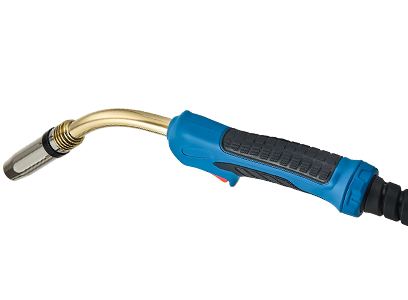
MIG Cutters
**MIG welding** utilizes a continuously fed wire electrode and an inert gas shield, typically argon or helium, to create a strong weld. It is celebrated for its speed and ease of use, making it ideal for both beginners and experienced welders alike.
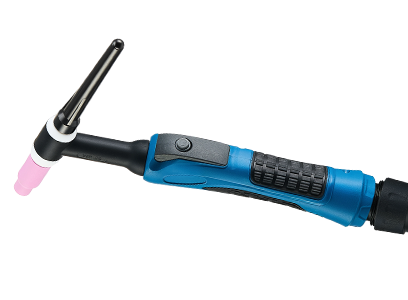
TIG Cutters
**TIG welding** employs a non-consumable tungsten electrode to produce a weld. It requires the welder to add filler material manually. This method is renowned for its precision and versatility, making it suitable for welding thin materials and achieving high-quality finishes.
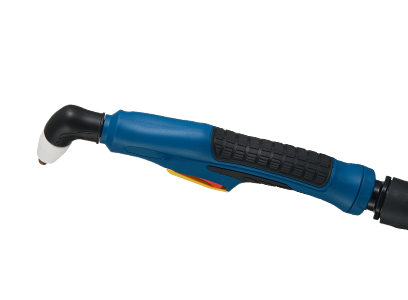
Plasma Cutters
**Plasma cutting** involves the use of a high-velocity jet of ionized gas (plasma) to cut through electrically conductive materials. This method is highly effective for cutting various metals, offering exceptional speed and accuracy.
3. Understanding Traditional Cutting Methods
Traditional cutting methods, such as oxy-fuel cutting and mechanical cutting, have been utilized for decades. Oxy-fuel cutting involves the combustion of oxygen and a fuel gas, typically acetylene, to melt and cut through metal. Mechanical cutting, on the other hand, employs saws, shears, and other tools to physically cut materials.
Oxy-Fuel Cutting
**Oxy-fuel cutting** is one of the oldest methods in the industry, well-suited for thick materials. However, it is limited by its slower speed and the heat-affected zone, which can lead to warping or distortion in sensitive materials.
Mechanical Cutting
Mechanical cutting provides high accuracy and control but is limited to specific shapes and thicknesses. Furthermore, it often generates scrap material, leading to increased costs.
4. Advantages of MIG, TIG, and Plasma Cutters
Each cutting method has its distinct advantages, making it crucial to understand their benefits.
Benefits of MIG Cutters
- **Speed and Efficiency**: MIG welding is one of the fastest welding processes available.
- **Ease of Use**: The continuous wire feed simplifies the process for operators.
- **Versatility**: Works on a variety of metals and thicknesses.
Benefits of TIG Cutters
- **High Quality**: Produces cleaner welds with less spatter.
- **Control**: Offers precise control over the weld pool, making it ideal for intricate work.
- **Material Compatibility**: Effective on thin materials and a wide range of metals.
Benefits of Plasma Cutters
- **Speed**: Plasma cutting is significantly faster than traditional methods.
- **Precision**: Capable of cutting intricate shapes with fine detail.
- **Versatility**: Can cut through various non-ferrous metals efficiently.
5. Application Scenarios for Each Cutting Technology
Understanding when to use each cutting method is fundamental for maximizing efficiency and achieving desired outcomes.
Best Applications for MIG Cutters
MIG welding is commonly used in automotive manufacturing, structural steel fabrication, and general fabrication projects where speed and efficiency are paramount.
Best Applications for TIG Cutters
TIG welding is ideal for delicate applications, such as aerospace, artistic metalwork, and applications requiring welds with a high degree of appearance and strength.
Best Applications for Plasma Cutters
Plasma cutting is preferred in industries where precision is critical, such as metal art fabrication, signage production, and heavy machinery repair.
6. Cost Analysis: MIG, TIG, Plasma vs. Traditional Cutters
Cost is a vital consideration when selecting cutting technology.
Initial Equipment Investment
- **MIG Cutters**: Generally affordable and widely available, making it a popular choice for beginners and small businesses.
- **TIG Cutters**: Typically require a higher initial investment due to their complexity and precision capabilities.
- **Plasma Cutters**: The upfront costs can vary significantly based on power levels and features, but they often pay off in efficiency.
- **Traditional Methods**: Oxy-fuel cutting systems can be economical, but ongoing gas costs add up.
Operational Costs
MIG and TIG welding consume filler materials and gases, while plasma cutting requires electricity and consumables. Traditional methods incur costs with fuel gases and potential maintenance of mechanical equipment.
7. Safety Considerations with Each Method
Safety is of utmost importance in any industrial setting.
MIG and TIG Safety
Both MIG and TIG welding produce intense light and heat. Operators must wear appropriate personal protective equipment (PPE) such as welding helmets, gloves, and protective clothing to prevent burns and eye damage.
Plasma Cutting Safety
Plasma cutting produces hazardous fumes and intense light. Adequate ventilation and PPE are crucial, along with ensuring that the work area is free of flammable materials.
Traditional Cutting Safety
Oxy-fuel cutting involves risks related to gas handling and combustion. Proper training in the handling of gas cylinders and fire safety is essential.
8. Maintenance and Reliability of Cutting Equipment
Regular maintenance is essential for the longevity and reliability of cutting equipment.
MIG and TIG Maintenance
Both methods require regular inspection and cleaning of the welding equipment. Consumable parts, such as contact tips and nozzles, need routine replacement to maintain performance.
Plasma Cutter Maintenance
Plasma cutters require attention to the torch assembly and consumables. Regularly replacing electrodes and nozzles ensures optimal cutting performance.
Traditional Equipment Maintenance
Oxy-fuel systems need regular checks on hoses, regulators, and connections to avoid leaks and ensure safe operation.
9. Conclusion
Choosing the right cutting technology hinges on understanding the specific needs of your projects. **MIG, TIG, and plasma cutters** offer distinct advantages over traditional cutting methods, particularly in speed, precision, and versatility. By carefully considering the applications, costs, and safety standards associated with each cutting method, you can enhance your operational efficiency and quality of work. As industries continue to evolve, embracing advanced cutting technologies remains a pivotal step towards achieving excellence in manufacturing.
10. FAQs
1. What is the primary difference between MIG and TIG welding?
The primary difference lies in the type of electrode used. MIG welding uses a consumable wire electrode, while TIG welding uses a non-consumable tungsten electrode.
2. Can plasma cutters cut aluminum?
Yes, plasma cutters are highly effective for cutting aluminum and other non-ferrous metals.
3. What safety equipment is necessary for MIG and TIG welding?
Welders should always wear a welding helmet, gloves, and protective clothing to safeguard against burns and UV exposure.
4. Are traditional cutting methods still relevant in modern industries?
While advanced cutting technologies are more popular, traditional methods still have applications, particularly in specific situations or for heavy materials.
5. How often should cutting equipment be maintained?
Regular maintenance is crucial, generally on a monthly basis, or as specified by the equipment manufacturer, to ensure the safety and reliability of the cutting process.
TAG:
Previous:
Related Posts
MIG TIG Plasma Cutters vs. Traditional Cutters: A Detailed Comparison for Industrial Applications
MIG TIG Plasma Cutters vs. Traditional Cutters: A Detailed Comparison
Table of Contents
1. Introduction to Cutting Technologies
2. Overview of MIG, TIG, and Plasma Cutters
3. Understanding Traditional Cutting Methods
4. Advantages of MIG, TIG, and Plasma Cutters
5. Application Scenarios for Each Cutting Technology
6. Cost Analysis: MIG, TIG, Plasma vs. Trad

MESSAGES
We will contact you within one working day. Please pay attention to your email.
Qucik Link
Contact
WhatsApp: +8615833370366
E-mail: zhaoyiqian@hrwelding.cn
Address: No. 105 Yongming Street, Dahe Road, East of Renqiu City, Hebei, China