
Why MIG Welding Robots Are Essential for High-Volume Production
2026-07-09


Why MIG Welding Robots Are Essential for High-Volume Production
Introduction to MIG Welding Robots
MIG (Metal Inert Gas) welding robots have revolutionized the manufacturing landscape, especially in high-volume production environments. These advanced machines automate the welding process, improving speed, precision, and consistency. As industries continue to evolve, the demand for automation in we
Why MIG Welding Robots Are Essential for High-Volume Production
Introduction to MIG Welding Robots
MIG (Metal Inert Gas) welding robots have revolutionized the manufacturing landscape, especially in high-volume production environments. These advanced machines automate the welding process, improving speed, precision, and consistency. As industries continue to evolve, the demand for automation in welding applications becomes more pronounced.
The Growing Need for Automation in Manufacturing
High-volume production places immense pressure on manufacturers to deliver quality products efficiently. Automation through MIG welding robots addresses several challenges faced by traditional welding methods, such as labor shortages, inconsistent quality, and increased production costs.
Understanding MIG Welding Technology
MIG welding is a process that utilizes a continuous wire feed to create an electric arc between the electrode and the base metal. This method is renowned for its versatility and efficiency, making it ideal for various applications, from automotive to aerospace.
How MIG Welding Robots Operate
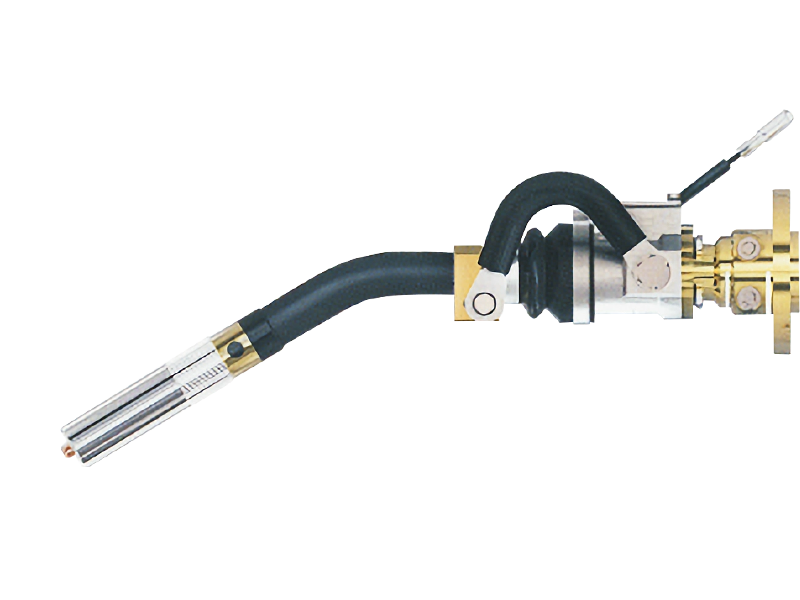
MIG welding robots are equipped with sophisticated programming and sensors that enable them to perform welding tasks with minimal human intervention. They are capable of adjusting welding parameters in real time, ensuring optimal results even in complex assemblies.
The Advantages of MIG Welding Robots in High-Volume Production
Integrating MIG welding robots into high-volume production environments offers numerous advantages that are crucial for staying competitive in today's market.
1. Increased Productivity
MIG welding robots operate tirelessly, significantly boosting production rates. Unlike human welders, robots can work continuously without the need for breaks, leading to higher output over shorter periods.
2. Enhanced Precision and Quality
The precision of MIG welding robots is unmatched. They maintain consistent welding parameters, ensuring uniform bead profiles and reducing the likelihood of defects. This consistency enhances the overall quality of the final product, leading to fewer reworks and scrap.
3. Cost Efficiency
While the initial investment in MIG welding robots may seem substantial, the long-term savings are significant. Reduced labor costs, decreased waste, and lower defect rates all contribute to a more cost-effective production process.
4. Flexibility and Adaptability
MIG welding robots can be programmed to perform various tasks across different projects. This versatility allows manufacturers to adapt quickly to changing production requirements, making it easier to implement new designs or respond to market demands.
5. Safety Improvements
Welding involves inherent risks, including exposure to harmful fumes and high temperatures. Automating the process with MIG welding robots minimizes human exposure to these hazards, creating a safer working environment.
Applications of MIG Welding Robots
MIG welding robots are used across numerous industries where high-volume production is vital. Here are some key sectors leveraging this technology:
1. Automotive Industry
The automotive sector is one of the largest adopters of MIG welding robots. These machines are used to assemble car bodies, weld frames, and create intricate parts with precision. The ability to quickly switch between different vehicle models also enhances production efficiency.
2. Aerospace Manufacturing
In aerospace, where safety and reliability are paramount, MIG welding robots ensure that components meet stringent quality standards. Their ability to produce flawless welds is critical for the structural integrity of aircraft.
3. Construction and Heavy Machinery
MIG welding robots are also prevalent in the construction and heavy machinery industries. They are utilized to fabricate large components, such as beams and chassis, where strength and durability are essential.
4. Electronics and Appliances
In the electronics sector, MIG welding robots are employed to assemble components in consumer products, ensuring precise connections that enhance product reliability and performance.
Key Features of MIG Welding Robots
Understanding the features that set MIG welding robots apart helps manufacturers make informed decisions when integrating automation into their production lines.
1. Advanced Programming and Control Systems
Modern MIG welding robots come equipped with sophisticated programming capabilities that allow for complex welding paths and sequences. This technological advancement enables manufacturers to optimize their processes significantly.
2. Real-time Monitoring and Feedback
Many MIG welding robots feature real-time monitoring systems that provide feedback on welding conditions. This data is crucial for maintaining quality control and making adjustments as needed during the welding process.
3. Integration with Other Automation Systems
MIG welding robots can be seamlessly integrated with other automation systems, such as material handling and inspection technologies. This integration creates a streamlined and efficient production environment.
4. User-friendly Interfaces
The user interfaces of modern MIG welding robots are designed for ease of use, allowing operators to program and manage welding tasks with minimal training. This accessibility is essential for maximizing the benefits of automation.
Challenges and Considerations in Implementing MIG Welding Robots
While MIG welding robots offer numerous advantages, manufacturers must also consider potential challenges when implementing this technology.
1. Initial Investment Costs
The upfront costs of purchasing and installing MIG welding robots can be significant. However, businesses must weigh these costs against the long-term savings achieved through increased productivity and reduced labor expenses.
2. Training and Skill Development
Operators and technicians will require training to effectively manage and maintain MIG welding robots. Investing in training programs is essential to maximize the benefits of automation and ensure smooth operation.
3. Maintenance and Upkeep
Like any advanced machinery, MIG welding robots require regular maintenance to ensure optimal performance. Manufacturers must establish maintenance schedules and allocate resources for repairs and parts replacement.
Future Trends in MIG Welding Robotics
The future of MIG welding robots is bright, with continuous advancements in technology set to enhance their capabilities further.
1. Artificial Intelligence Integration
The integration of artificial intelligence (AI) into MIG welding robots is on the horizon. AI can improve decision-making processes, allowing robots to adapt to changing welding conditions and optimize performance in real-time.
2. Collaborative Robots (Cobots)
The emergence of collaborative robots, or cobots, is changing the landscape of welding automation. These robots can work alongside human operators, enhancing productivity while maintaining safety standards.
3. Enhanced Connectivity and IoT Integration
As the Internet of Things (IoT) continues to grow, MIG welding robots will become increasingly connected. This connectivity will facilitate better data sharing, enabling manufacturers to analyze production processes and make informed decisions.
FAQs about MIG Welding Robots
1. What are the primary benefits of using MIG welding robots?
MIG welding robots enhance productivity, improve precision and quality, reduce costs, provide flexibility, and create safer working environments.
2. How do MIG welding robots compare to traditional welding methods?
MIG welding robots offer superior speed, consistency, and efficiency compared to traditional methods, making them ideal for high-volume production.
3. What industries benefit the most from MIG welding robots?
The automotive, aerospace, construction, and electronics industries are among the primary sectors that benefit from MIG welding robots.
4. What challenges might a manufacturer face when implementing MIG welding robots?
Challenges include initial investment costs, the need for operator training, and ongoing maintenance requirements.
5. What is the future of MIG welding robotics?
The future includes advancements in AI integration, collaborative robots, and enhanced connectivity through IoT, leading to smarter and more efficient welding processes.
Conclusion
MIG welding robots are essential for high-volume production, offering transformative advantages that enhance efficiency, quality, and safety. As industries continue to evolve, the integration of these advanced machines will play a critical role in meeting the demands of modern manufacturing. By understanding the technology, applications, and future trends, businesses can position themselves for success in a competitive marketplace. Embracing MIG welding robots is not just an investment in equipment; it’s a strategic move toward a more efficient and innovative production process.
TAG:
Related Posts
Enhancing Your Skills: Advanced Techniques for 250 Amp TIG Welding
Enhancing Your Skills: Advanced Techniques for 250 Amp TIG Welding
Table of Contents
1. Introduction to 250 Amp TIG Welding
2. Understanding TIG Welding: A Brief Overview
3. Essential Equipment for 250 Amp TIG Welding
4. Preparation Techniques: Setting Up for Success
5. Advanced Welding Techniques for Enhanced Performance
5.1 Mastering Control and Precisio

MESSAGES
We will contact you within one working day. Please pay attention to your email.
Qucik Link
Contact
WhatsApp: +8615833370366
E-mail: zhaoyiqian@hrwelding.cn
Address: No. 105 Yongming Street, Dahe Road, East of Renqiu City, Hebei, China