
Essential Equipment for MIG Welding: A Comprehensive Guide
2026-07-06


When it comes to MIG welding, having the right equipment is fundamental to achieving high-quality welds. MIG, or Metal Inert Gas welding, is a popular welding process due to its versatility and ease of use. To effectively perform MIG welding, several pieces of equipment play critical roles. Here’s a rundown of the essential equipment for MIG welding that will empower you to tackle various projects
When it comes to MIG welding, having the right equipment is fundamental to achieving high-quality welds. MIG, or Metal Inert Gas welding, is a popular welding process due to its versatility and ease of use. To effectively perform MIG welding, several pieces of equipment play critical roles. Here’s a rundown of the essential equipment for MIG welding that will empower you to tackle various projects with confidence.
1. **MIG Welding Machine**: The heart of your MIG welding setup is the welding machine itself. MIG welders provide a continuous feed of wire and typically operate with a shielding gas, which protects the weld from contamination. When selecting a MIG welder, consider factors such as power output, duty cycle, and ease of adjustment to match your specific welding needs.
2. **Filler Wire**: The filler wire is a consumable material used during the welding process. It comes in various diameters and compositions to suit different types of metals. Selecting the correct filler wire ensures strong and consistent welds. Always refer to the manufacturer’s specifications to choose the right wire for your welding material.
3. **Shielding Gas**: Shielding gas is essential in MIG welding as it protects the molten metal from atmospheric contamination. Common types of shielding gases include argon, carbon dioxide, or a mix of both. The choice of gas can significantly affect the weld quality, so it’s important to match the gas type with the metal being welded.
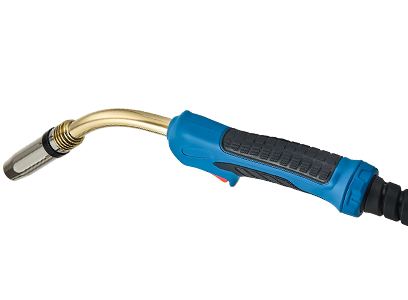
4. **Welding Gun**: The MIG welding gun is a crucial tool that directs the filler wire and shielding gas to the welding area. A good quality welding gun will provide a comfortable grip and allow for precise control. Ensure that the nozzle and contact tip are appropriate for the diameter of the filler wire being used.
5. **Protective Gear**: Safety should always be a priority. Essential protective gear for MIG welding includes a welding helmet with the appropriate shade of lens, gloves, and protective clothing. These items shield you from sparks, heat, and harmful UV radiation produced during the welding process.
6. **Workpiece Support**: Proper support for the workpieces is vital for maintaining stability during welding. Clamps, tables, or fixtures can help secure your materials in place, allowing for more accurate and even welds.
7. **Cleaning Tools**: Post-welding, cleaning the weld area is necessary to ensure the integrity of the weld. Tools such as wire brushes, grinders, and chemical cleaners can help remove slag, spatter, and oxidation from the welded surface.
In conclusion, equipping yourself with the right tools for MIG welding is essential to achieve optimal results. By investing in quality equipment and understanding their functions, you can enhance your welding capabilities and tackle a wide range of projects with ease. Remember to always prioritize safety and proper technique to make the most of your MIG welding experience.
1. **MIG Welding Machine**: The heart of your MIG welding setup is the welding machine itself. MIG welders provide a continuous feed of wire and typically operate with a shielding gas, which protects the weld from contamination. When selecting a MIG welder, consider factors such as power output, duty cycle, and ease of adjustment to match your specific welding needs.
2. **Filler Wire**: The filler wire is a consumable material used during the welding process. It comes in various diameters and compositions to suit different types of metals. Selecting the correct filler wire ensures strong and consistent welds. Always refer to the manufacturer’s specifications to choose the right wire for your welding material.
3. **Shielding Gas**: Shielding gas is essential in MIG welding as it protects the molten metal from atmospheric contamination. Common types of shielding gases include argon, carbon dioxide, or a mix of both. The choice of gas can significantly affect the weld quality, so it’s important to match the gas type with the metal being welded.
4. **Welding Gun**: The MIG welding gun is a crucial tool that directs the filler wire and shielding gas to the welding area. A good quality welding gun will provide a comfortable grip and allow for precise control. Ensure that the nozzle and contact tip are appropriate for the diameter of the filler wire being used.
5. **Protective Gear**: Safety should always be a priority. Essential protective gear for MIG welding includes a welding helmet with the appropriate shade of lens, gloves, and protective clothing. These items shield you from sparks, heat, and harmful UV radiation produced during the welding process.
6. **Workpiece Support**: Proper support for the workpieces is vital for maintaining stability during welding. Clamps, tables, or fixtures can help secure your materials in place, allowing for more accurate and even welds.
7. **Cleaning Tools**: Post-welding, cleaning the weld area is necessary to ensure the integrity of the weld. Tools such as wire brushes, grinders, and chemical cleaners can help remove slag, spatter, and oxidation from the welded surface.
In conclusion, equipping yourself with the right tools for MIG welding is essential to achieve optimal results. By investing in quality equipment and understanding their functions, you can enhance your welding capabilities and tackle a wide range of projects with ease. Remember to always prioritize safety and proper technique to make the most of your MIG welding experience.
TAG:
Related Posts

Understanding TIG Torch Hoses: Essential Knowledge for Welders
TIG torch hoses are vital components in the welding process, particularly for tungsten inert gas (TIG) welding, which is known for its precision and versatility. These hoses transport the shielding gas, which is crucial for protecting the weld pool from atmospheric contamination. Understanding the specifications and maintenance of TIG torch hoses can significantly impact your welding efficiency an
MESSAGES
We will contact you within one working day. Please pay attention to your email.
Qucik Link
Contact
WhatsApp: +8615833370366
E-mail: zhaoyiqian@hrwelding.cn
Address: No. 105 Yongming Street, Dahe Road, East of Renqiu City, Hebei, China