
Essential Equipment for MIG Welding: A Comprehensive Guide
2026-06-30


MIG (Metal Inert Gas) welding is a widely used welding process that requires specific equipment to ensure efficient and effective results. Understanding the essential equipment needed for MIG welding is crucial for both novices and experienced welders alike. Here’s a detailed overview of the key components necessary for successful MIG welding.
1. **MIG Welder**: At the heart of MIG welding is the
MIG (Metal Inert Gas) welding is a widely used welding process that requires specific equipment to ensure efficient and effective results. Understanding the essential equipment needed for MIG welding is crucial for both novices and experienced welders alike. Here’s a detailed overview of the key components necessary for successful MIG welding.
1. **MIG Welder**: At the heart of MIG welding is the MIG welder itself. This machine is responsible for feeding the welding wire, providing the electrical current, and shielding the weld pool with an inert gas. It’s important to select a welder that suits your intended applications, whether you’re working on thin materials or thicker metals.
2. **Welding Wire**: The welding wire is a critical component in MIG welding. It serves as the filler material that melts to create the weld. There are different types of MIG wires, including solid and flux-cored wires. Solid wires are commonly used for clean and smooth welds, while flux-cored wires provide better penetration and are useful for outdoor welding.
3. **Shielding Gas**: MIG welding requires shielding gas to protect the molten weld pool from atmospheric contamination. Common gas mixtures include Argon, CO2, or a blend of both. Choosing the right gas is essential for achieving the desired weld quality and appearance.
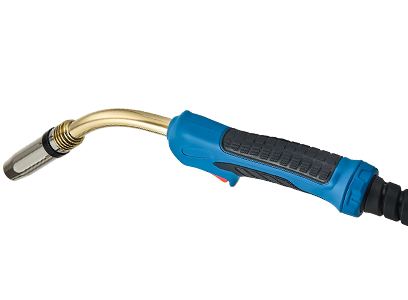
4. **Welding Torch**: The welding torch delivers the welding wire and shielding gas to the weld area. A quality torch with a comfortable grip and adjustable nozzle is vital for precision and control during the welding process. Additionally, ensure you have the appropriate contact tips and nozzles for your specific application.
5. **Ground Clamp**: A reliable ground clamp is necessary to complete the electrical circuit during welding. It should provide a good connection to the workpiece to ensure proper current flow and prevent issues such as poor arc stability or weak welds.
6. **Protective Gear**: Safety should always be a priority in any welding operation. Essential protective gear includes a welding helmet with proper shading, gloves, and flame-resistant clothing. This gear protects welders from harmful UV radiation, sparks, and heat generated during the welding process.
7. **Welding Cart**: While not strictly essential, a welding cart can enhance your workspace organization. It allows for easy mobility of your MIG welder and associated equipment, keeping your work area tidy and efficient.
8. **Consumables**: Regularly replaceable parts such as contact tips, nozzles, and gas diffusers are considered consumables. Keeping a stock of these components ensures you can maintain your equipment and minimize downtime during projects.
In conclusion, understanding the equipment needed for MIG welding is essential for achieving high-quality results. By investing in the right MIG welder, consumables, and protective gear, you can enhance your welding experience and ensure safety while working on a variety of projects. With the right tools at your disposal, you're well-equipped to tackle any welding challenge.
1. **MIG Welder**: At the heart of MIG welding is the MIG welder itself. This machine is responsible for feeding the welding wire, providing the electrical current, and shielding the weld pool with an inert gas. It’s important to select a welder that suits your intended applications, whether you’re working on thin materials or thicker metals.
2. **Welding Wire**: The welding wire is a critical component in MIG welding. It serves as the filler material that melts to create the weld. There are different types of MIG wires, including solid and flux-cored wires. Solid wires are commonly used for clean and smooth welds, while flux-cored wires provide better penetration and are useful for outdoor welding.
3. **Shielding Gas**: MIG welding requires shielding gas to protect the molten weld pool from atmospheric contamination. Common gas mixtures include Argon, CO2, or a blend of both. Choosing the right gas is essential for achieving the desired weld quality and appearance.
4. **Welding Torch**: The welding torch delivers the welding wire and shielding gas to the weld area. A quality torch with a comfortable grip and adjustable nozzle is vital for precision and control during the welding process. Additionally, ensure you have the appropriate contact tips and nozzles for your specific application.
5. **Ground Clamp**: A reliable ground clamp is necessary to complete the electrical circuit during welding. It should provide a good connection to the workpiece to ensure proper current flow and prevent issues such as poor arc stability or weak welds.
6. **Protective Gear**: Safety should always be a priority in any welding operation. Essential protective gear includes a welding helmet with proper shading, gloves, and flame-resistant clothing. This gear protects welders from harmful UV radiation, sparks, and heat generated during the welding process.
7. **Welding Cart**: While not strictly essential, a welding cart can enhance your workspace organization. It allows for easy mobility of your MIG welder and associated equipment, keeping your work area tidy and efficient.
8. **Consumables**: Regularly replaceable parts such as contact tips, nozzles, and gas diffusers are considered consumables. Keeping a stock of these components ensures you can maintain your equipment and minimize downtime during projects.
In conclusion, understanding the equipment needed for MIG welding is essential for achieving high-quality results. By investing in the right MIG welder, consumables, and protective gear, you can enhance your welding experience and ensure safety while working on a variety of projects. With the right tools at your disposal, you're well-equipped to tackle any welding challenge.
TAG:
Related Posts
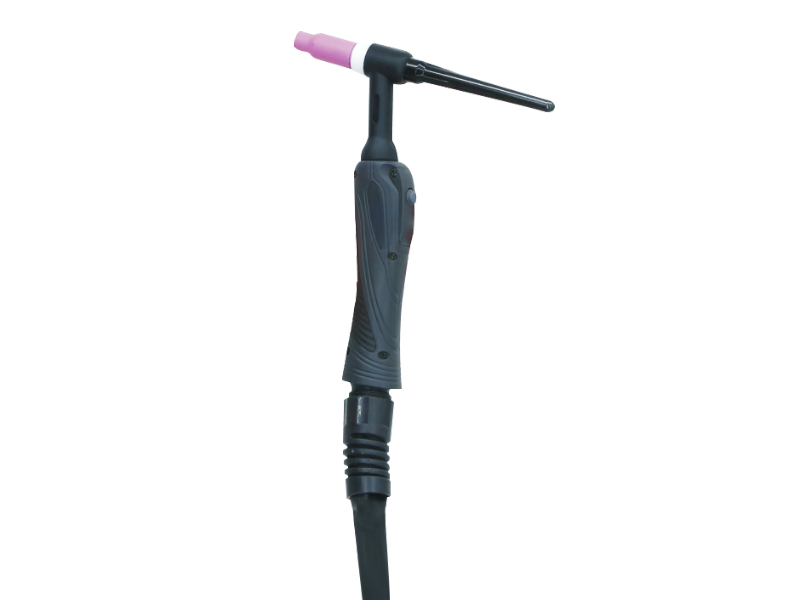
Mastering the Weldcraft TIG Torch: Essential Insights for Professionals
When it comes to precision welding, the Weldcraft TIG torch stands out as a vital tool for professionals. Understanding its features, applications, and maintenance tips can significantly enhance your welding experience, leading to better results and increased productivity.
The Weldcraft TIG torch is designed for tungsten inert gas (TIG) welding, which is known for its ability to produce high-quali


MESSAGES
We will contact you within one working day. Please pay attention to your email.
Qucik Link
Contact
WhatsApp: +8615833370366
E-mail: zhaoyiqian@hrwelding.cn
Address: No. 105 Yongming Street, Dahe Road, East of Renqiu City, Hebei, China