
The Evolution of MIG Gun Parts: What’s New in the Market?
2026-06-27


The Evolution of MIG Gun Parts: What’s New in the Market?
MIG (Metal Inert Gas) welding is a popular technique in the fabrication and manufacturing industries, known for its speed and versatility. As the demand for high-quality welds continues to rise, so does the need for advanced MIG gun parts. In this article, we will explore the evolution of MIG gun parts, focusing on the latest innovations in
The Evolution of MIG Gun Parts: What’s New in the Market?
MIG (Metal Inert Gas) welding is a popular technique in the fabrication and manufacturing industries, known for its speed and versatility. As the demand for high-quality welds continues to rise, so does the need for advanced MIG gun parts. In this article, we will explore the evolution of MIG gun parts, focusing on the latest innovations in the market that are enhancing welding efficiency, improving weld quality, and providing greater safety for users.
Table of Contents
- 1. A Brief History of MIG Gun Parts
- 2. Key Components of MIG Guns
- 3. Innovations in MIG Gun Design
- 4. Transitioning to New Technologies
- 5. Effects of New Parts on Welding Performance
- 6. Safety Enhancements in MIG Guns
- 7. The Future of MIG Gun Technology
- 8. Frequently Asked Questions
1. A Brief History of MIG Gun Parts
The development of MIG welding technology began in the 1940s, primarily driven by the need for efficient welding processes during World War II. The first MIG welding gun was rudimentary, consisting of basic components that laid the foundation for modern MIG technology. Over the decades, advancements in metallurgy, electronics, and automation have significantly transformed MIG gun parts.
Early MIG guns were limited in function, often leading to inconsistent welds and longer repair times. However, as materials and engineering techniques evolved, manufacturers began to produce MIG guns with enhanced durability and functionality. Today, MIG gun parts are designed to withstand the rigors of frequent use while maintaining precision and reliability.
2. Key Components of MIG Guns
Understanding the key components of MIG guns is essential for recognizing the significance of recent innovations. The main parts include:
2.1 Contact Tip
The contact tip is crucial for transferring welding current to the wire. New materials, such as high-conductivity copper alloys, have improved thermal management and reduced wear.
2.2 Diffuser
The diffuser helps guide shielding gas around the weld area. Modern diffusers are designed to minimize turbulence, ensuring a stable gas flow and enhancing weld quality.
2.3 Gas Nozzle
The gas nozzle protects the weld from contamination. Recent designs focus on increased durability and improved shielding gas coverage, leading to better weld penetration.
2.4 Trigger and Handle
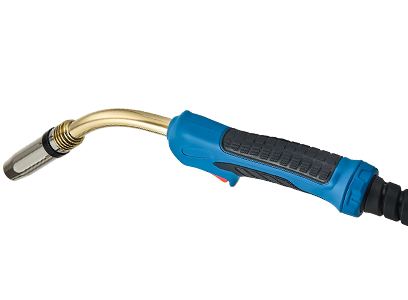
The trigger mechanism controls the wire feed and gas output. Innovations in ergonomic design and materials have made handling MIG guns more comfortable for prolonged use, reducing operator fatigue.
3. Innovations in MIG Gun Design
Recent advancements in MIG gun design have introduced features that significantly enhance usability and performance. Among these innovations are:
3.1 Ergonomic Improvements
Manufacturers are now focusing on ergonomic designs that minimize hand strain and provide improved grip. This is particularly important for professionals who spend extended periods using MIG guns.
3.2 Modular Gun Designs
Modular designs allow for easy replacement of components, reducing downtime. Users can quickly switch between different nozzle sizes or contact tips based on their specific welding needs.
3.3 Increased Durability
New materials and coatings are being used to enhance the durability of MIG gun parts. For example, advanced ceramic coatings can reduce wear and improve resistance to spatter.
3.4 Smart Technology Integration
Some manufacturers are now integrating smart technology into MIG guns. Features such as real-time monitoring of performance metrics can help welders optimize their techniques and improve overall efficiency.
4. Transitioning to New Technologies
Adopting new technologies in MIG welding requires careful consideration. When transitioning to advanced MIG gun parts, users should keep several factors in mind:
4.1 Compatibility with Existing Equipment
Before upgrading, it is important to ensure that new components are compatible with existing welding machines. This can prevent unnecessary costs and compatibility issues.
4.2 Training and Skill Development
As technologies evolve, training becomes crucial. Welders may need to enhance their skills to utilize new features effectively, maximizing the benefits of upgraded equipment.
4.3 Cost-Benefit Analysis
Investing in new MIG gun parts can be expensive. Conducting a thorough cost-benefit analysis will help users understand potential savings in time and materials as a result of improved performance.
5. Effects of New Parts on Welding Performance
The introduction of new MIG gun parts can lead to significant improvements in welding performance:
5.1 Enhanced Weld Quality
With advancements in contact tips and gas nozzles, welds are more consistent and cleaner. This reduces the need for post-weld cleaning or rework.
5.2 Increased Efficiency
Ergonomic designs and smart technology features enhance productivity. Welders can work faster and with greater precision, ultimately reducing project timelines.
5.3 Better Versatility
New modular components allow welders to quickly adapt their MIG guns for different applications. This versatility is crucial in industries that require a variety of welding techniques.
6. Safety Enhancements in MIG Guns
Safety is a top priority when it comes to welding. Recent innovations in MIG gun design have introduced several safety enhancements:
6.1 Improved Insulation
Modern MIG guns feature enhanced insulation to prevent electrical hazards. This is particularly important in environments with high moisture or dust levels.
6.2 Thermal Protection
With increased heat management capabilities, new parts can better withstand the intense temperatures generated during welding. This reduces the risk of accidents caused by overheating.
6.3 User Alerts and Diagnostics
Some advanced MIG guns now include user alerts for maintenance needs or potential problems. This proactive approach helps prevent accidents and maintain optimal performance.
7. The Future of MIG Gun Technology
The future of MIG gun technology looks promising, with ongoing innovations expected to further enhance welding processes:
7.1 Sustainable Materials
As industries move towards sustainability, there is a growing interest in using eco-friendly materials for MIG gun parts. This not only helps the environment but can also improve performance.
7.2 Integration of AI
Artificial intelligence may play a significant role in the future of MIG welding. AI could optimize welding parameters in real-time, adapting to changes in material or environmental conditions.
7.3 Increased Automation
The trend towards automation in welding processes is likely to continue, with MIG guns becoming an integral part of automated systems in manufacturing environments.
8. Frequently Asked Questions
8.1 What is the lifespan of MIG gun parts?
The lifespan of MIG gun parts varies based on usage, material quality, and maintenance. Regularly replacing contact tips and nozzles can extend the life of your MIG gun.
8.2 How do I choose the right MIG gun for my needs?
Consider factors such as welding thickness, type of materials, and the frequency of use. Consulting with a welding professional can provide tailored recommendations.
8.3 Can I upgrade my existing MIG gun with new parts?
Yes, most MIG guns are designed to be modular, allowing you to replace or upgrade specific components to enhance performance.
8.4 Are there any safety concerns with new MIG gun designs?
While new designs often include safety enhancements, it’s essential to follow manufacturer guidelines and training to ensure safe operation.
8.5 How can I maintain my MIG gun for optimal performance?
Regular cleaning, timely replacement of worn parts, and proper storage can significantly improve the performance and longevity of your MIG gun.
Conclusion
The evolution of MIG gun parts continues to shape the welding industry, introducing innovations that enhance performance, safety, and usability. Understanding these advancements allows welders to make informed decisions about their equipment, ensuring they remain competitive in a constantly evolving market. Embracing new technologies not only improves welding outcomes but also promotes a safer and more efficient working environment. As we look toward the future, the integration of smart technologies and sustainable practices will undoubtedly pave the way for even greater advancements in MIG welding.
TAG:
Related Posts
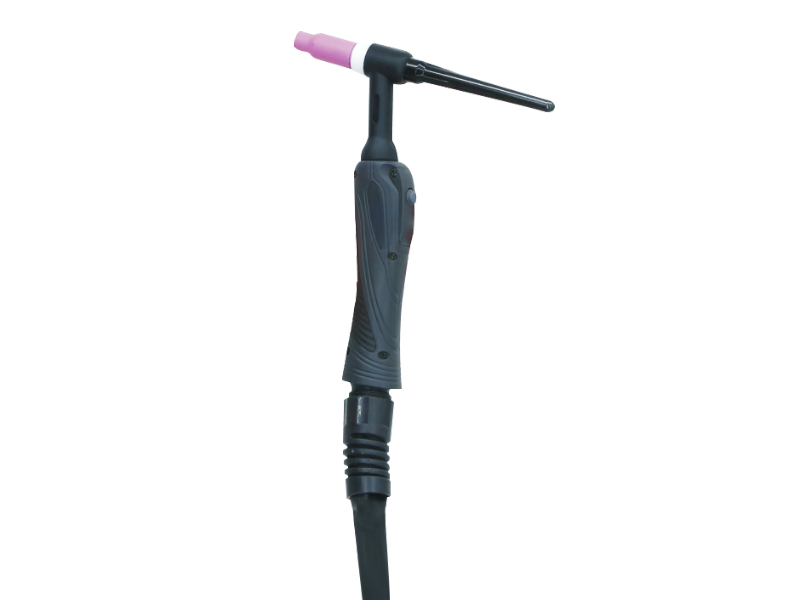
The Environmental Impact of Using Water Cooled TIG Torches: Sustainable Welding Practices
The Environmental Impact of Using Water Cooled TIG Torches
Water cooled TIG (Tungsten Inert Gas) torches are a staple in the welding industry, known for their efficiency and effectiveness. However, as industries increasingly prioritize sustainability and environmental responsibility, it’s crucial to examine the environmental impact of using these tools. This article delves into the various aspects


MESSAGES
We will contact you within one working day. Please pay attention to your email.
Qucik Link
Contact
WhatsApp: +8615833370366
E-mail: zhaoyiqian@hrwelding.cn
Address: No. 105 Yongming Street, Dahe Road, East of Renqiu City, Hebei, China