
Troubleshooting Common Issues with MIG Welding Robots: A Comprehensive Guide
2026-05-10


Troubleshooting Common Issues with MIG Welding Robots: A Comprehensive Guide
Table of Contents
Introduction to MIG Welding Robots
Common Issues with MIG Welding Robots
Issue 1: Wire Feed Problems
Issue 2: Arc Starting Issues
Issue 3: Incorrect Welding Parameters
Issue 4: Robot Movement Errors
Issue 5: Overheating
Preventive Maintenance Tips
Conclusion
FAQs
Introduction to MIG
Troubleshooting Common Issues with MIG Welding Robots: A Comprehensive Guide
Table of Contents
- Introduction to MIG Welding Robots
- Common Issues with MIG Welding Robots
- Issue 1: Wire Feed Problems
- Issue 2: Arc Starting Issues
- Issue 3: Incorrect Welding Parameters
- Issue 4: Robot Movement Errors
- Issue 5: Overheating
- Preventive Maintenance Tips
- Conclusion
- FAQs
Introduction to MIG Welding Robots
MIG (Metal Inert Gas) welding robots are pivotal in modern manufacturing, offering precision, efficiency, and consistency in metal joining processes. As industries increasingly adopt automation, understanding how to maintain and troubleshoot these sophisticated machines becomes essential. This guide aims to illuminate the common issues encountered with MIG welding robots, providing actionable solutions to enhance operational efficiency.
Common Issues with MIG Welding Robots
While MIG welding robots are designed for high performance, various challenges can arise during operation. From wire feed problems to overheating, recognizing and addressing these issues promptly can save time and resources. Below, we explore the most prevalent problems faced by operators and technicians alike.
Issue 1: Wire Feed Problems
Wire feed issues are one of the most common problems encountered with MIG welding robots. These issues can lead to inconsistent welding quality and increased downtime.
Symptoms of Wire Feed Problems
Operators may notice irregular weld beads, poor arc stability, or an inconsistent feed rate. In severe cases, the welding wire may even jam in the feeder.
Causes
Common causes of wire feed problems include:
- Incorrect spool tension
- Damaged feed rollers
- Misalignment of the wire feed mechanism
- Contaminated or rusty welding wire
Solutions
To resolve wire feed problems:
1. **Check Spool Tension**: Ensure that the wire spool is tensioned correctly. Too tight or too loose can cause feed inconsistencies.
2. **Inspect Feed Rollers**: Look for wear and tear on the feed rollers. Replace them if they are damaged or worn out.
3. **Align Components**: Ensure all components of the wire feed mechanism are aligned correctly to facilitate smooth feeding.
4. **Use Quality Wire**: Regularly inspect the welding wire for contamination or rust, replacing it as necessary.
Issue 2: Arc Starting Issues
Arc starting issues can significantly impact the efficiency of MIG welding operations, leading to poor weld quality.
Symptoms
Operators may experience difficulty initiating the arc, leading to delays and inconsistent welds.
Causes
- Insufficient gas coverage
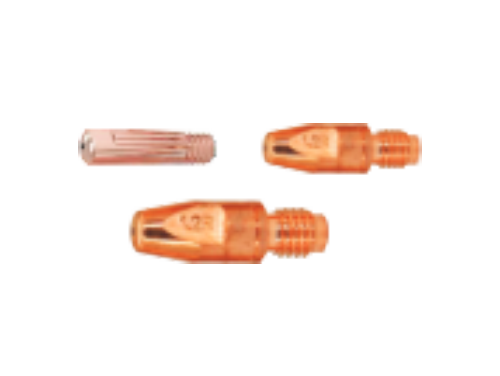
- Dirty or worn contact tips
- Incorrect voltage settings
Solutions
1. **Check Gas Flow**: Ensure that the shielding gas is flowing correctly and that there are no leaks in the gas supply.
2. **Inspect Contact Tips**: Replace worn or dirty contact tips to ensure proper arc initiation.
3. **Adjust Voltage Settings**: Confirm that the voltage settings on the welding machine are appropriate for the material thickness being welded.
Issue 3: Incorrect Welding Parameters
Incorrect welding parameters can lead to subpar weld quality and increased defect rates.
Symptoms
Welds may appear too shallow, too deep, or exhibit excessive spatter.
Causes
Common issues include:
- Incorrect wire diameter
- Improper voltage and amperage settings
- Wrong travel speed
Solutions
1. **Refer to Guidelines**: Always refer to the manufacturer’s guidelines for the correct settings based on material thickness and type.
2. **Test Welds**: Conduct test welds to confirm the settings before proceeding to large-scale production.
3. **Monitor Parameters**: Regularly monitor and adjust parameters as needed to maintain optimal welding conditions.
Issue 4: Robot Movement Errors
Robot movement errors can lead to misalignment and poor weld quality.
Symptoms
Operators may notice inconsistent weld bead placement or a failure of the robot to follow programmed paths accurately.
Causes
- Mechanical wear and tear
- Calibration errors
- Software glitches
Solutions
1. **Regular Calibration**: Regularly calibrate the robot to ensure it follows programmed paths accurately.
2. **Inspect Mechanical Components**: Check for wear and tear in mechanical joints and gears and replace any damaged parts promptly.
3. **Update Software**: Ensure that the robot's software is up to date, addressing any known bugs or glitches.
Issue 5: Overheating
Overheating can lead to equipment failure and reduced efficiency.
Symptoms
If the robot or power supply unit becomes excessively hot, it may trigger automatic shutdowns or produce erratic welding performance.
Causes
- Insufficient cooling
- Continuous operation under high load
- Blocked ventilation
Solutions
1. **Ensure Adequate Cooling**: Check cooling systems and fans to confirm they are functioning correctly.
2. **Adjust Work Cycles**: Implement work cycles that allow for adequate cooling time between operations.
3. **Clear Ventilation**: Ensure that ventilation paths are clear and unobstructed to promote airflow.
Preventive Maintenance Tips
Implementing a preventive maintenance program can significantly reduce the frequency and severity of issues with MIG welding robots. Key practices include:
Regular Inspections
Conduct routine inspections of all components, including the welding torch, wire feed system, and robot joints, to identify potential problems before they escalate.
Lubrication
Regularly lubricate moving parts to minimize friction and wear, ensuring smooth operation.
Training
Ensure that all operators receive adequate training on the proper use and maintenance of MIG welding robots. Knowledgeable operators are better equipped to identify and address issues swiftly.
Documentation
Maintain detailed records of all maintenance activities, inspections, and repairs. This documentation can aid in diagnosing recurring issues and planning future maintenance.
Conclusion
Troubleshooting common issues with MIG welding robots requires a methodical approach and a solid understanding of the equipment. By identifying symptoms early and employing the correct solutions, operators can significantly enhance welding quality and efficiency. Implementing preventive maintenance strategies will further minimize unexpected downtimes and extend the lifespan of your MIG welding robots, ensuring that they remain valuable assets in your manufacturing operations.
FAQs
1. What are the most common issues with MIG welding robots?
The most common issues include wire feed problems, arc starting issues, incorrect welding parameters, robot movement errors, and overheating.
2. How often should I perform maintenance on my MIG welding robot?
Regular inspections and maintenance should be conducted at least every six months or more frequently based on usage and specific operational conditions.
3. Can improper welding parameters affect weld quality?
Yes, incorrect parameters such as voltage, amperage, or travel speed can lead to poor weld quality, including weak joints and excessive spatter.
4. How can I prevent overheating in MIG welding robots?
Ensure adequate cooling, implement work cycles that allow for cooling periods, and regularly check for blocked ventilation.
5. What are the signs of wire feed issues?
Signs of wire feed problems include irregular weld beads, poor arc stability, and instances of wire jams in the feeder.
TAG:
Related Posts

Troubleshooting Common Issues with MIG Welding Robots: A Comprehensive Guide
Troubleshooting Common Issues with MIG Welding Robots: A Comprehensive Guide
Table of Contents
Introduction to MIG Welding Robots
Common Issues with MIG Welding Robots
Issue 1: Wire Feed Problems
Issue 2: Arc Starting Issues
Issue 3: Incorrect Welding Parameters
Issue 4: Robot Movement Errors
Issue 5: Overheating
Preventive Maintenance Tips
Conclusion
FAQs
Introduction to MIG


MESSAGES
We will contact you within one working day. Please pay attention to your email.
Qucik Link
Contact
WhatsApp: +8615833370366
E-mail: zhaoyiqian@hrwelding.cn
Address: No. 105 Yongming Street, Dahe Road, East of Renqiu City, Hebei, China