
Improving Your Welding Quality with the Right Torch Accessories
2026-05-04


Improving Your Welding Quality with the Right Torch Accessories
Welding is an intricate art that requires a combination of skill, technique, and the right tools. Among these tools, torch accessories play a pivotal role in determining the quality and efficiency of your welding projects. In this comprehensive guide, we will delve into various aspects of welding, emphasizing how choosing the right to
Improving Your Welding Quality with the Right Torch Accessories
Welding is an intricate art that requires a combination of skill, technique, and the right tools. Among these tools, torch accessories play a pivotal role in determining the quality and efficiency of your welding projects. In this comprehensive guide, we will delve into various aspects of welding, emphasizing how choosing the right torch accessories can significantly enhance your welding performance.
Table of Contents
1. The Importance of Torch Accessories in Welding
2. Different Types of Welding Torches
3. Essential Accessories for Welding Torches
4. Best Practices for Improving Welding Quality
5. Choosing the Right Accessories for Your Welding Needs
6. Maintenance and Care for Torch Accessories
7. Frequently Asked Questions
8. Conclusion
The Importance of Torch Accessories in Welding
Torch accessories are often underestimated, yet they significantly impact the overall quality of welding. Quality welding requires precision, and the right accessories facilitate this by aiding in better control, efficiency, and consistency in the weld. Proper accessories enhance your ability to achieve deeper penetration, cleaner finishes, and ultimately, stronger joints.
When we talk about torch accessories, we refer to items such as nozzles, tips, gas lenses, and collets, which all contribute to the welding process's effectiveness. Understanding their functionality can help you make informed decisions, preventing costly mistakes due to inadequate equipment.
Different Types of Welding Torches
To select the right accessories, it's crucial to understand the different types of welding torches available. Each type serves a specific purpose, and knowing these can guide you in making the best choice for your project.
MIG Welding Torches
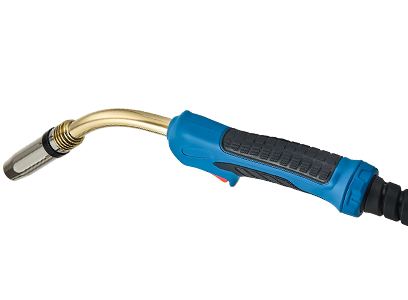
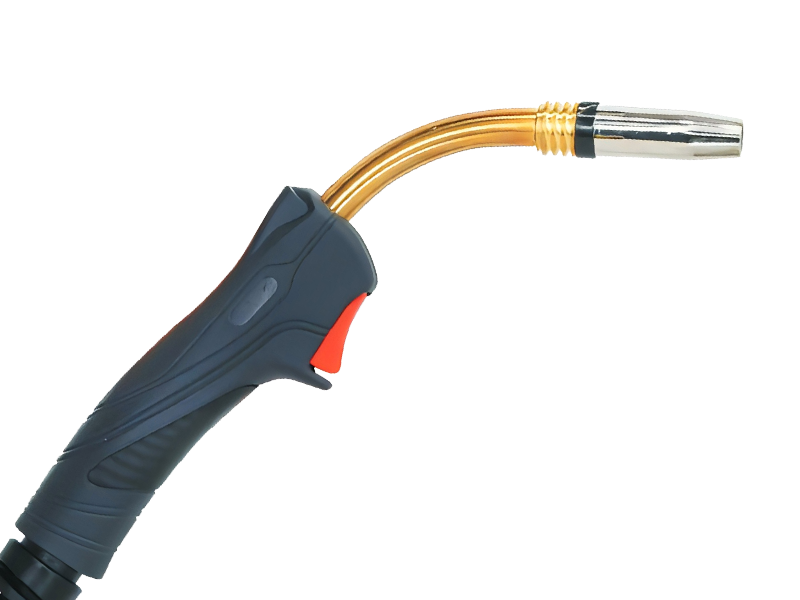
MIG (Metal Inert Gas) welding torches are designed for continuous wire feed and are ideal for welding thin materials. The torch features a nozzle that directs shielding gas around the weld area, protecting it from contamination. Accessories like contact tips and nozzles are vital to maintain a stable arc and prevent weld defects.
TIG Welding Torches
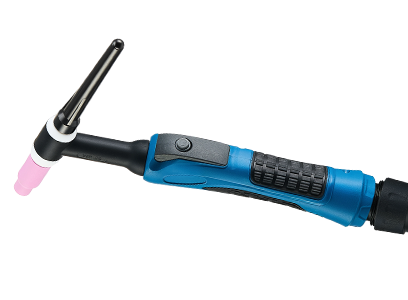
TIG (Tungsten Inert Gas) welding torches provide greater control and precision, making them suitable for thinner materials or intricate designs. The performance of a TIG torch heavily relies on its accessory components, such as tungsten electrodes and gas lenses, which ensure a clean, focused arc.
Stick Welding Torches
Stick welding, or SMAW (Shielded Metal Arc Welding), uses a simple design and is often used for outdoor applications. The torch accessories for stick welding are relatively straightforward, often focusing on the electrode holder and ground clamp. Proper maintenance and care of these components are essential for reliable performance.
Essential Accessories for Welding Torches
Understanding the essential accessories that enhance your welding experience can significantly improve the quality of your work.
Nozzles
Nozzles are crucial in controlling gas flow and protecting the weld pool. Different types of nozzles, such as standard, gas lens, and tapered, serve different purposes. For instance, gas lens nozzles provide better shielding and allow for greater visibility during the welding process.
Electrodes
In TIG welding, the choice of electrode is paramount. The tungsten electrode must be suitable for the material being welded. Options include pure tungsten, thoriated, and ceriated electrodes, each designed for specific applications. Selecting the right electrode not only improves arc stability but also contributes to weld quality.
Contact Tips
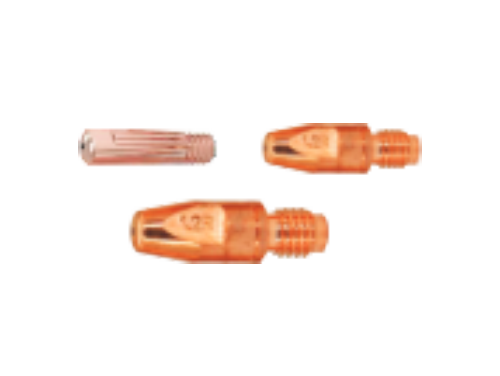
In MIG welding, contact tips are essential for delivering the welding wire to the weld pool. The diameter of the contact tip should match the wire size being used. A mismatch can lead to welding defects, such as poor arc stability and inconsistent bead appearance.
Gas Lenses
Gas lenses improve gas flow and stability in TIG welding. They provide better shielding and reduce turbulence, resulting in more consistent welds. By allowing a longer tungsten electrode stick-out, gas lenses enhance visibility and control during the welding process.
Collets and Collet Bodies
Collets hold the tungsten electrode securely in place and must be compatible with the torch type. Regular inspection and replacement of collets and collet bodies are vital to maintain optimal performance.
Best Practices for Improving Welding Quality
Achieving high-quality welds involves more than just having the right accessories; it also requires adherence to best practices.
Proper Setup and Calibration
Before starting a welding project, ensure that your equipment is properly set up and calibrated. This includes adjusting the gas flow, voltage, and wire feed speed according to the materials you are working with. A well-calibrated torch will deliver better results with minimal defects.
Technique and Skill Development
Investing time in skill development is crucial. Practice different techniques and familiarize yourself with how various torch accessories affect the welding process. This hands-on experience will help you understand the nuances of your equipment and improve your overall welding quality.
Clean Work Environment
A clean work environment minimizes contamination risks. Ensure your workpiece is free from rust, oil, and dirt. This step is pivotal as contaminants can lead to poor weld quality, including lack of penetration and weak joints.
Regular Maintenance of Equipment
Regularly inspect and maintain your welding equipment and accessories. This includes replacing worn-out tips, nozzles, and other components. Proper maintenance extends the life of your equipment while ensuring optimal performance.
Choosing the Right Accessories for Your Welding Needs
When selecting torch accessories, consider the following factors to ensure you make the best choice for your welding applications:
Material Compatibility
The materials you are welding play a significant role in accessory selection. Different materials may require specific types of electrodes or nozzles to achieve the best results.
Welding Process
The welding process you choose dictates the type of torch and accessories you'll need. Make sure to select accessories that complement your welding method, whether it's MIG, TIG, or stick welding.
Project Specifications
Consider the specifications of your project, such as thickness, joint design, and intended use. The right accessories can help you meet these requirements while ensuring the structural integrity of the weld.
Maintenance and Care for Torch Accessories
Proper maintenance is crucial for the longevity and effectiveness of torch accessories. Follow these tips for optimal care:
Regular Cleaning
Clean your torch accessories regularly to remove debris and contaminants. Use a soft brush or cloth to avoid damaging sensitive components like nozzles and lenses.
Inspection for Wear and Tear
Regularly inspect your accessories for signs of wear and tear. Look for cracks, discoloration, or deformation, and replace any damaged components immediately.
Storing Accessories Properly
Store your accessories in a dry, organized manner to prevent damage. Use protective cases or containers to keep them safe from moisture and dirt.
Frequently Asked Questions
1. What are the best torch accessories for MIG welding?
The best torch accessories for MIG welding include high-quality contact tips, nozzles, and gas lenses. These components ensure optimal gas flow and consistent wire feeding, improving overall weld quality.
2. How can I improve my TIG welding quality?
Improving TIG welding quality involves using the right tungsten electrodes, gas lenses, and proper gas flow settings. Regular practice and technique refinement also contribute significantly to better results.
3. What is the difference between a standard nozzle and a gas lens nozzle?
A standard nozzle allows for basic shielding gas flow, while a gas lens nozzle enhances gas coverage and stability, reducing turbulence and providing better visibility during welding.
4. How often should I replace my welding torch accessories?
Replace your welding torch accessories whenever you notice signs of wear, such as cracks or discoloration. Regular maintenance will also help determine when replacements are needed.
5. Why is it important to clean my welding equipment regularly?
Regular cleaning prevents contamination that can lead to poor weld quality. A clean environment ensures better gas coverage and minimizes defects during the welding process.
Conclusion
In conclusion, the right torch accessories are essential for enhancing the quality of your welding projects. By understanding the different types of torches, their accessories, and best practices, you can significantly improve your welding performance. Investing in quality components, maintaining your equipment, and honing your skills will lead to superior welds, ensuring that your projects meet the highest standards. Elevate your welding experience today by choosing the right torch accessories and adopting practices that promote quality and efficiency.
TAG:
Related Posts

Understanding Compact MIG Welding Machines: An Essential Tool for Automotive Repair
Compact MIG welding machines are versatile tools designed to meet the needs of both hobbyists and professionals in the automotive sector. MIG, which stands for Metal Inert Gas, welding is a widely used process for its efficiency and effectiveness in joining various metals. Compact MIG welding machines bring this technology into a more portable and user-friendly format, making them ideal for automo

MESSAGES
We will contact you within one working day. Please pay attention to your email.
Qucik Link
Contact
WhatsApp: +8615833370366
E-mail: zhaoyiqian@hrwelding.cn
Address: No. 105 Yongming Street, Dahe Road, East of Renqiu City, Hebei, China