
Enhancing Your Welding Skills with the Right MIG Torch: A Comprehensive Guide
2026-04-16


Enhancing Your Welding Skills with the Right MIG Torch
Table of Contents
Understanding the Importance of a MIG Torch
Key Features to Look for in a MIG Torch
Types of MIG Torches and Their Uses
How to Choose the Right MIG Torch for Your Projects
Proper MIG Torch Setup and Maintenance
Techniques to Maximize Your Welding Skills
Common MIG Welding Mistakes to Avoid
Enhancing Your Welding Skills with the Right MIG Torch
Table of Contents
- Understanding the Importance of a MIG Torch
- Key Features to Look for in a MIG Torch
- Types of MIG Torches and Their Uses
- How to Choose the Right MIG Torch for Your Projects
- Proper MIG Torch Setup and Maintenance
- Techniques to Maximize Your Welding Skills
- Common MIG Welding Mistakes to Avoid
- FAQs About MIG Torches and Welding
Understanding the Importance of a MIG Torch
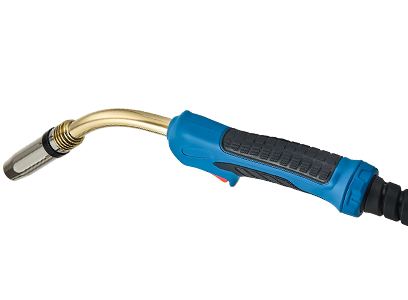
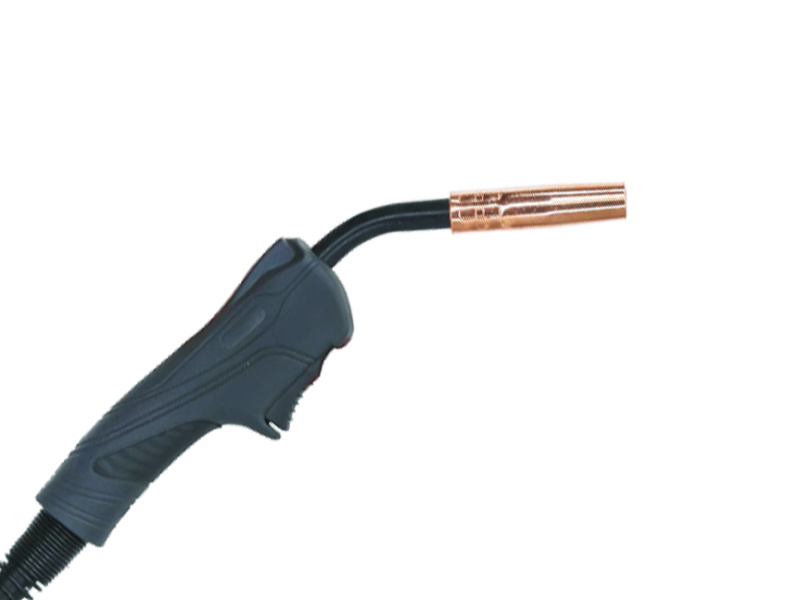
When it comes to welding, the **MIG torch** is a critical tool that directly affects the quality and efficiency of your work. MIG, or Metal Inert Gas welding, is a popular technique due to its versatility and ease of use. Selecting the right MIG torch can significantly enhance your welding skills by allowing for better control, precision, and overall performance in various projects. Whether you're a beginner or an experienced welder, understanding the function and features of a MIG torch is essential for producing high-quality welds.
Key Features to Look for in a MIG Torch
Choosing the right MIG torch involves examining several important features that cater to your specific welding needs. Here are some key considerations:
1. Torch Handle Comfort
The **ergonomics** of the torch handle are crucial for long welding sessions. Look for a design that fits comfortably in your hand, reducing strain and fatigue.
2. Cable Length and Flexibility
A longer and more flexible cable provides better maneuverability, especially when working on larger projects or in tight spaces. Ensure the cable is durable and resistant to wear and tear.
3. Nozzle Type and Size
Different projects may require different nozzle sizes. A variety of nozzle options allows for greater adaptability and performance in various welding scenarios.
4. Cooling Mechanism
A torch with an effective cooling system can prolong its lifespan and improve performance by preventing overheating during extended use.
5. Compatibility with Various Gases
The ability to use different shielding gases can enhance the versatility of your welding projects. Ensure that the MIG torch you choose is compatible with a range of gases.
Types of MIG Torches and Their Uses
MIG torches come in various forms, each suited for different applications. Understanding these types will help you select the right one for your needs.
1. Standard MIG Torches
These are the most common type of MIG torches used in general welding applications. They are versatile and suitable for both home and industrial use.
2. Push-Pull MIG Torches
Ideal for welding aluminum or other soft materials, these torches have an additional drive mechanism that pushes the wire through the liner, reducing the risk of wire feeding issues.
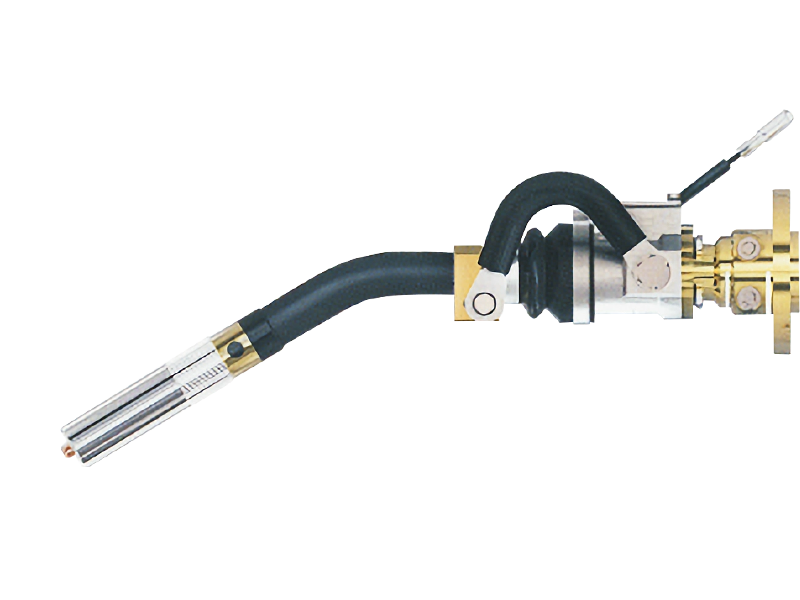
3. Robotic MIG Torches
Used in automated welding systems, robotic MIG torches are designed for precision and speed in industrial applications. They are often equipped with advanced features and sensors for automation.
4. Air-Cooled vs. Water-Cooled Torches
Air-cooled torches are typically more portable and easier to maintain, while water-cooled torches can handle higher amperages and are ideal for heavy-duty projects.
How to Choose the Right MIG Torch for Your Projects
Selecting the right MIG torch depends on several factors, including your experience level, type of projects, and preferred welding techniques. Here’s how to make an informed choice:
1. Assess Your Welding Needs
Consider the materials you will be working with most frequently, as well as the thickness of the materials. This will help narrow down your options based on power requirements and compatibility.
2. Determine Your Experience Level
Beginners may benefit from a standard MIG torch with simpler functionalities, while advanced welders might prefer a more specialized option for complex applications.
3. Evaluate Your Budget
MIG torches come in a wide range of prices. Set a budget that allows you to invest in quality without compromising on essential features.
4. Read Reviews and Seek Recommendations
Consult reviews from other users and professionals in the field. Their insights can provide valuable information about the performance and durability of specific MIG torches.
Proper MIG Torch Setup and Maintenance
To achieve optimal performance from your MIG torch, it is essential to set it up correctly and maintain it regularly. Here are some tips:
1. Proper Assembly
Follow the manufacturer's instructions carefully when assembling the torch. Ensure all components are securely attached to prevent leaks or malfunctions.
2. Regular Cleaning
Clean the torch nozzle and contact tip regularly to prevent buildup that can affect the quality of your welds. Use appropriate cleaning tools and methods as recommended by the manufacturer.
3. Check for Wear and Damage
Inspect the torch and its components regularly for signs of wear or damage. Replace any faulty parts promptly to ensure consistent performance.
4. Store Properly
When not in use, store the MIG torch in a safe, dry place to prevent damage. Consider using a protective case for added security.
Techniques to Maximize Your Welding Skills
To enhance your welding proficiency, it’s essential to practice and adopt effective techniques. Here are a few methods to consider:
1. Master the Basics
Before diving into complex projects, ensure you have mastered the fundamental welding skills, such as maintaining a steady hand and controlling the heat.
2. Experiment with Settings
Don’t be afraid to adjust the settings on your MIG torch, such as voltage and wire feed speed, to find the optimal combination for the materials you are working with.
3. Practice Different Welding Positions
Practice welding in various positions (flat, horizontal, vertical, and overhead) to improve your versatility and adaptability as a welder.
4. Seek Feedback
Engage with more experienced welders for feedback on your technique. Constructive criticism can help you identify areas for improvement.
Common MIG Welding Mistakes to Avoid
To achieve the best results in your welding projects, it’s important to be aware of common mistakes that can hinder your progress.
1. Incorrect Speed and Travel Angle
Maintaining the right speed and angle while welding is crucial. Too fast can lead to weak welds, while too slow can cause burn-through.
2. Poor Wire Feeding Technique
Ensure that the wire feeds smoothly without resistance. Issues with wire feeding can result in inconsistent welds and increased spatter.
3. Neglecting Shielding Gas Settings
Using the wrong gas flow rate can compromise the quality of your welds. Always check and adjust your shielding gas settings according to the material and environment.
4. Overlooking Personal Safety
Never compromise on safety. Always wear appropriate protective gear, including a welding helmet, gloves, and flame-resistant clothing.
FAQs About MIG Torches and Welding
1. What is the role of shielding gas in MIG welding?
Shielding gas protects the weld from contamination by the atmosphere. It prevents oxidation and improves the quality of the weld.
2. How can I tell if my MIG torch is set up correctly?
A correctly set up MIG torch should produce smooth, consistent welds with minimal spatter. If you notice excessive spatter or inconsistent welding, check your settings.
3. Can I use a MIG torch for aluminum welding?
Yes, MIG welding is suitable for aluminum, but ensure you use the appropriate settings and a push-pull torch for optimal results.
4. How often should I maintain my MIG torch?
Regular maintenance is essential. Perform routine checks and cleaning after every use, and replace parts as necessary to prolong the life of the torch.
5. What safety precautions should I take while welding?
Always wear protective gear, ensure proper ventilation, and be aware of your surroundings to prevent accidents or injuries while welding.
Conclusion
Enhancing your welding skills with the right MIG torch is not just about selecting a tool; it’s about understanding its features, maintenance, and the techniques that yield the best results. By investing time in learning and practicing the fundamentals, while also choosing the right MIG torch for your specific needs, you can significantly improve the quality and efficiency of your welding projects. With vigilance and dedication to proper practices, your welding abilities will flourish, allowing you to tackle even the most challenging projects with confidence.
TAG:
Previous
Previous:
Related Posts
Enhancing Your Welding Skills with the Right MIG Torch: A Comprehensive Guide
Enhancing Your Welding Skills with the Right MIG Torch
Table of Contents
Understanding the Importance of a MIG Torch
Key Features to Look for in a MIG Torch
Types of MIG Torches and Their Uses
How to Choose the Right MIG Torch for Your Projects
Proper MIG Torch Setup and Maintenance
Techniques to Maximize Your Welding Skills
Common MIG Welding Mistakes to Avoid

MESSAGES
We will contact you within one working day. Please pay attention to your email.
Qucik Link
Contact
WhatsApp: +8615833370366
E-mail: zhaoyiqian@hrwelding.cn
Address: No. 105 Yongming Street, Dahe Road, East of Renqiu City, Hebei, China