
Understanding TIG Torch Hoses: Essential Insights for Welding Professionals
2026-04-07


When it comes to TIG (Tungsten Inert Gas) welding, the torch hose plays an essential role in ensuring that the welding process is efficient, safe, and effective. The TIG torch hose serves as the conduit for delivering shielding gas to the welding area, which is crucial for protecting the weld puddle from atmospheric contamination. Understanding the importance of these hoses, their construction, an
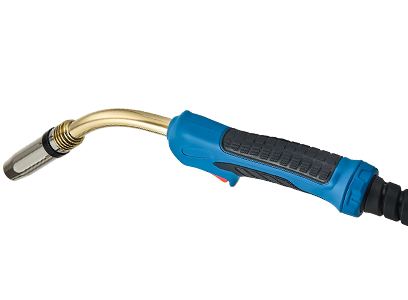
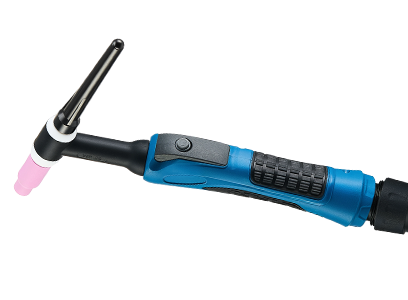
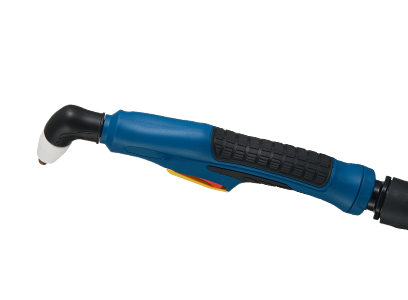
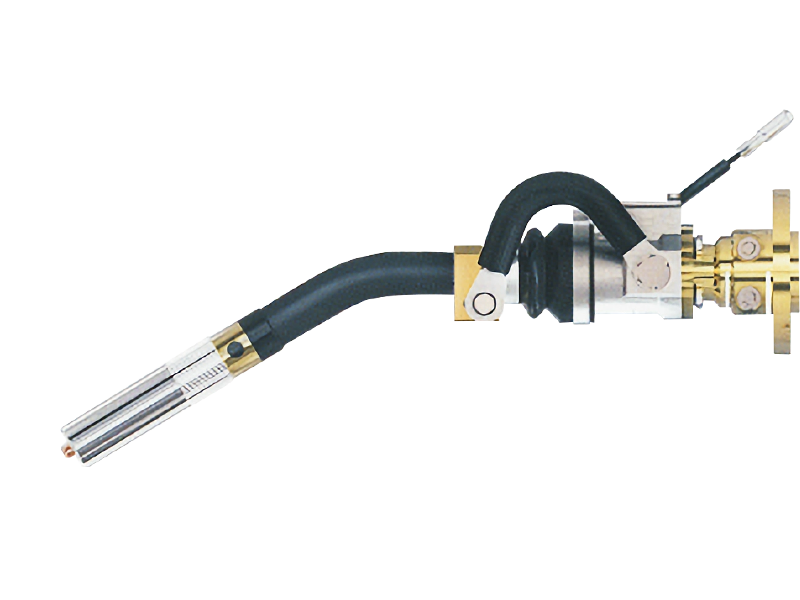
When it comes to TIG (Tungsten Inert Gas) welding, the torch hose plays an essential role in ensuring that the welding process is efficient, safe, and effective. The TIG torch hose serves as the conduit for delivering shielding gas to the welding area, which is crucial for protecting the weld puddle from atmospheric contamination. Understanding the importance of these hoses, their construction, and proper handling can greatly enhance the welding experience.
TIG torch hoses are typically made from flexible, durable materials that can withstand the high heat and potential abrasions encountered during welding. They are designed to resist kinking and cracking, which is vital for maintaining consistent gas flow. The hoses usually feature a rubber or synthetic exterior that provides resistance to heat, oil, and other chemicals commonly found in industrial environments.
One of the critical aspects of TIG torch hoses is their compatibility with different types of gases. Argon is commonly used in TIG welding, and the hose must be designed to facilitate the safe transport of this inert gas. It’s important to verify that the hose is rated for the specific gas being used, as this ensures optimal performance and safety.
Proper maintenance of TIG torch hoses is essential for longevity and reliability. Regularly inspecting the hoses for wear and tear can prevent leaks and failures during the welding process. Look for signs of fraying, cracking, or any other damage that might compromise the hose's integrity. If any issues are detected, the hose should be replaced immediately to prevent potential hazards.
Additionally, understanding how to properly store and handle TIG torch hoses can also extend their life. Always coil the hoses loosely to avoid kinks, and store them in a cool, dry place away from direct sunlight or extreme temperatures. This practice not only prolongs the life of the hoses but also ensures that they remain ready for immediate use without the risk of damage.
In conclusion, the TIG torch hose is a vital component in the welding process, facilitating the flow of shielding gas and ensuring high-quality welds. By understanding the construction, functionality, and maintenance of these hoses, welding professionals can enhance their efficiency and safety. Investing a little time in hose care can lead to significant improvements in welding outcomes, making it an important aspect of any welding operation.
TIG torch hoses are typically made from flexible, durable materials that can withstand the high heat and potential abrasions encountered during welding. They are designed to resist kinking and cracking, which is vital for maintaining consistent gas flow. The hoses usually feature a rubber or synthetic exterior that provides resistance to heat, oil, and other chemicals commonly found in industrial environments.
One of the critical aspects of TIG torch hoses is their compatibility with different types of gases. Argon is commonly used in TIG welding, and the hose must be designed to facilitate the safe transport of this inert gas. It’s important to verify that the hose is rated for the specific gas being used, as this ensures optimal performance and safety.
Proper maintenance of TIG torch hoses is essential for longevity and reliability. Regularly inspecting the hoses for wear and tear can prevent leaks and failures during the welding process. Look for signs of fraying, cracking, or any other damage that might compromise the hose's integrity. If any issues are detected, the hose should be replaced immediately to prevent potential hazards.
Additionally, understanding how to properly store and handle TIG torch hoses can also extend their life. Always coil the hoses loosely to avoid kinks, and store them in a cool, dry place away from direct sunlight or extreme temperatures. This practice not only prolongs the life of the hoses but also ensures that they remain ready for immediate use without the risk of damage.
In conclusion, the TIG torch hose is a vital component in the welding process, facilitating the flow of shielding gas and ensuring high-quality welds. By understanding the construction, functionality, and maintenance of these hoses, welding professionals can enhance their efficiency and safety. Investing a little time in hose care can lead to significant improvements in welding outcomes, making it an important aspect of any welding operation.
TAG:
Previous:
Related Posts

Understanding TIG Torch Hoses: Essential Insights for Welding Professionals
When it comes to TIG (Tungsten Inert Gas) welding, the torch hose plays an essential role in ensuring that the welding process is efficient, safe, and effective. The TIG torch hose serves as the conduit for delivering shielding gas to the welding area, which is crucial for protecting the weld puddle from atmospheric contamination. Understanding the importance of these hoses, their construction, an
MESSAGES
We will contact you within one working day. Please pay attention to your email.
Qucik Link
Contact
WhatsApp: +8615833370366
E-mail: zhaoyiqian@hrwelding.cn
Address: No. 105 Yongming Street, Dahe Road, East of Renqiu City, Hebei, China