
Welding with Confidence: Essential Safety Tips for Using a 250 Amp TIG Torch
2026-04-10


Welding with Confidence: Essential Safety Tips for Using a 250 Amp TIG Torch
Welding is a skilled trade that requires precision, technique, and a strong emphasis on safety. Among the various welding methods, Tungsten Inert Gas (TIG) welding stands out for its versatility and ability to produce high-quality welds. However, operating a **250 Amp TIG torch** comes with its risks and challenges. This
Welding with Confidence: Essential Safety Tips for Using a 250 Amp TIG Torch
Welding is a skilled trade that requires precision, technique, and a strong emphasis on safety. Among the various welding methods, Tungsten Inert Gas (TIG) welding stands out for its versatility and ability to produce high-quality welds. However, operating a **250 Amp TIG torch** comes with its risks and challenges. This article aims to arm you with the necessary safety tips and best practices for welding confidently and successfully.
Table of Contents
1. Understanding the 250 Amp TIG Torch
2. Essential Personal Protective Equipment (PPE)
3. Preparing Your Workspace for Safe Welding
4. Safety Tips for Operating a 250 Amp TIG Torch
4.1. Proper Handling Techniques
4.2. Managing Electrical Hazards
4.3. Maintaining Your TIG Torch
5. Emergency Procedures and First Aid
6. Common Welding Safety Myths Debunked
7. Conclusion
8. FAQs
1. Understanding the 250 Amp TIG Torch
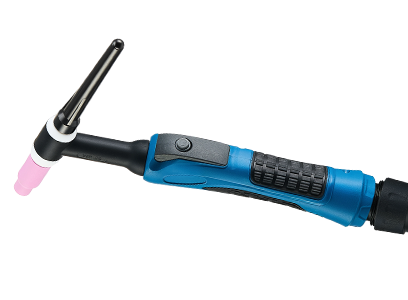
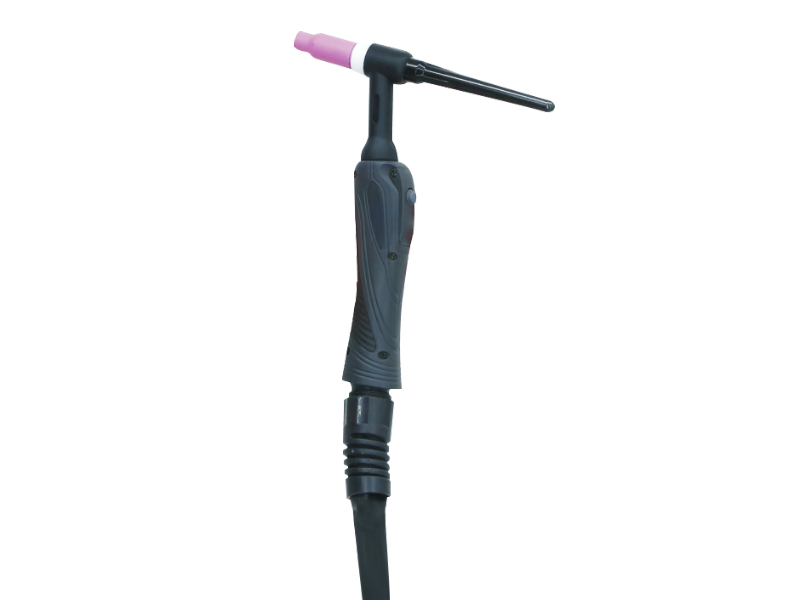
The **250 Amp TIG torch** is a powerful tool designed for precision welding. It utilizes a non-consumable tungsten electrode and an inert gas, typically argon, to shield the weld area from contamination. This method is particularly effective for welding thin materials, such as aluminum, stainless steel, and magnesium. Understanding how your TIG torch operates is crucial to utilizing it safely and efficiently.
2. Essential Personal Protective Equipment (PPE)
Safety starts with the right gear. Before you ignite your TIG torch, ensure you are equipped with the following **personal protective equipment (PPE)**:
- **Welding Helmet**: A high-quality helmet with an appropriate shade lens (10-14) is vital for protecting your eyes from the intense light and harmful UV rays emitted during welding.
- **Gloves**: Heavy-duty leather gloves will protect your hands from heat and sparks while offering the dexterity needed for precise maneuvers.
- **Protective Clothing**: Wear flame-resistant clothing, such as long-sleeve shirts and pants, to shield your skin from sparks and heat.
- **Steel-Toed Boots**: Protect your feet from heavy equipment and falling objects that can occur in a welding environment.
- **Ear Protection**: Utilize earplugs or earmuffs to protect your hearing, especially when working in a noisy environment.
3. Preparing Your Workspace for Safe Welding
Creating a safe workspace is paramount in preventing accidents during welding. Here are some steps to ensure your area is well-prepared:
- **Cleanliness**: Keep your workspace free from clutter. Remove any flammable materials, including paper, plastic, and combustibles. A clean environment reduces the risk of fire and allows for better focus.
- **Ventilation**: Ensure you are working in a well-ventilated area to avoid the accumulation of harmful fumes. Use exhaust fans or work outdoors whenever possible.
- **Proper Lighting**: Adequate lighting enhances visibility, allowing you to see your work clearly and avoid accidents.
- **Stable Surface**: Work on a stable and non-flammable surface to maintain control over your equipment and prevent accidental fires.
4. Safety Tips for Operating a 250 Amp TIG Torch
Operating a **250 Amp TIG torch** requires vigilance and adherence to safety protocols. Here are essential tips to keep in mind for safe welding:
4.1. Proper Handling Techniques
- **Grip the Torch Correctly**: Hold the torch firmly but comfortably. Your grip should allow for adjustment without losing control.
- **Positioning**: Maintain a comfortable working position. Avoid awkward angles that can lead to fatigue or loss of control.
4.2. Managing Electrical Hazards
- **Inspect Cables and Connections**: Regularly check the power supply cables and connections for damage. Frayed wires can lead to electrical shock or fires.
- **Use Grounding Techniques**: Always ensure your welder is properly grounded to minimize the risk of electrical shocks.
4.3. Maintaining Your TIG Torch
- **Routine Inspection**: Regularly inspect your TIG torch for wear and tear. Replace any damaged components immediately.
- **Clean the Torch**: Keep the tungsten electrode clean to maintain an optimal arc. Use a tungsten grinder to ensure a sharp point.
5. Emergency Procedures and First Aid
Even with the best safety measures in place, accidents can happen. Familiarize yourself with emergency procedures and first aid measures:
- **Know Your Exits**: Always be aware of your surroundings and know the location of exits in case of an emergency.
- **First Aid Kit**: Maintain a stocked first aid kit that includes burn ointment, bandages, and an eye wash station for chemical exposure.
- **Report Incidents**: If an accident occurs, report it to your supervisor immediately and document the incident for future reference.
6. Common Welding Safety Myths Debunked
Understanding the truth behind common welding safety myths can enhance your safety awareness:
- **Myth: Welding is Safe if You’re Experienced**: Experience does not eliminate the risk of accidents. Always practice safety protocols, regardless of your skill level.
- **Myth: It’s Okay to Weld Without Gear if You're Just Doing a Quick Job**: Even brief exposure to sparks and UV light can cause harm. Always wear appropriate PPE.
7. Conclusion
Welding with a **250 Amp TIG torch** offers incredible opportunities for creating strong, precise welds. However, it is essential to prioritize safety at all times. By following the safety tips outlined in this article, you can significantly reduce the risk of accidents and injuries, allowing you to focus on your craft with confidence. Equip yourself with the right knowledge and gear, prepare your workspace, and embrace best practices to ensure a safe and successful welding experience.
8. FAQs
1. What materials can I weld with a 250 Amp TIG torch?
You can weld a variety of materials, including aluminum, stainless steel, and magnesium using a 250 Amp TIG torch.
2. How often should I check my welding equipment for safety?
Inspect your welding equipment before each use. Regular maintenance should occur at least once a month or more frequently if used often.
3. Can I weld without gloves if I’m careful?
No, always wear gloves while welding to protect your hands from heat, sparks, and electrical hazards.
4. What should I do if I experience an electrical shock while welding?
Immediately stop what you're doing, seek medical attention, and ensure that your equipment is disconnected from the power source.
5. Is it safe to use a TIG torch indoors?
Yes, but ensure adequate ventilation to prevent the buildup of harmful fumes and maintain a clean, clutter-free workspace.
By implementing these safety tips and best practices, you will not only improve your welding skills but also enhance your overall safety and confidence while working with a **250 Amp TIG torch**.
TAG:
Related Posts
Enhancing Your Skills: Advanced Techniques for 250 Amp TIG Welding
Enhancing Your Skills: Advanced Techniques for 250 Amp TIG Welding
Table of Contents
1. Introduction to 250 Amp TIG Welding
2. Understanding TIG Welding: A Brief Overview
3. Essential Equipment for 250 Amp TIG Welding
4. Preparation Techniques: Setting Up for Success
5. Advanced Welding Techniques for Enhanced Performance
5.1 Mastering Control and Precisio

MESSAGES
We will contact you within one working day. Please pay attention to your email.
Qucik Link
Contact
WhatsApp: +8615833370366
E-mail: zhaoyiqian@hrwelding.cn
Address: No. 105 Yongming Street, Dahe Road, East of Renqiu City, Hebei, China