
How to Select the Best Materials for MIG, TIG, and Plasma Cutting: A Comprehensive Guide
2026-03-17


How to Select the Best Materials for MIG, TIG, and Plasma Cutting
Table of Contents
Understanding Welding Processes: MIG, TIG, and Plasma Cutting
The Importance of Material Selection in Welding
Types of Materials Suitable for MIG, TIG, and Plasma Cutting
Key Considerations for Material Selection
Understanding Material Properties and Their Impact on Welding
Best Practices f
How to Select the Best Materials for MIG, TIG, and Plasma Cutting
Table of Contents
- Understanding Welding Processes: MIG, TIG, and Plasma Cutting
- The Importance of Material Selection in Welding
- Types of Materials Suitable for MIG, TIG, and Plasma Cutting
- Key Considerations for Material Selection
- Understanding Material Properties and Their Impact on Welding
- Best Practices for Selecting Materials
- Common Misconceptions About Materials in Welding
- FAQ: Your Questions Answered
- Conclusion
Understanding Welding Processes: MIG, TIG, and Plasma Cutting
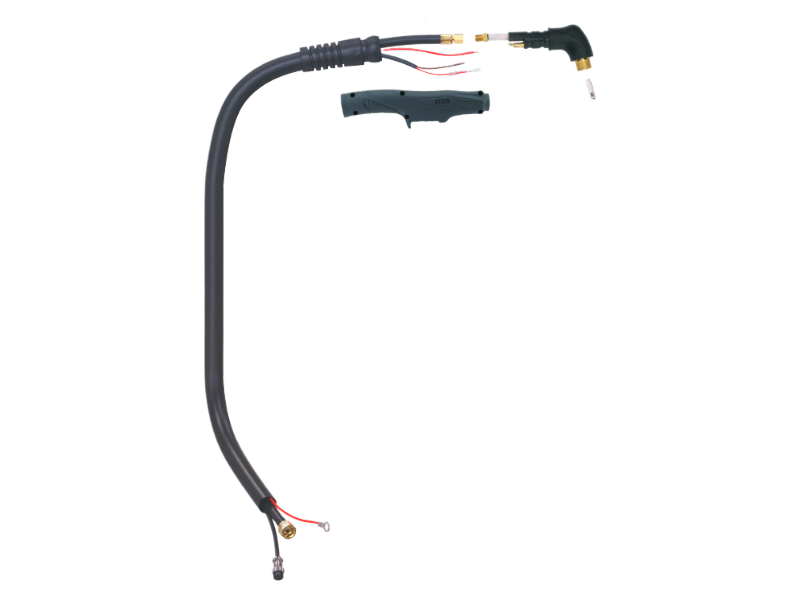
Welding is an essential process in various industries, playing a vital role in fabrication and repair. Among the most popular methods are Metal Inert Gas (MIG), Tungsten Inert Gas (TIG), and plasma cutting. Each process has unique advantages and is suited for specific applications. Understanding these differences is crucial for selecting the right materials.
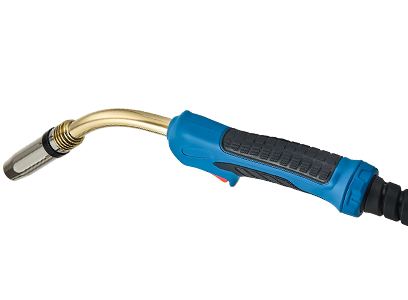
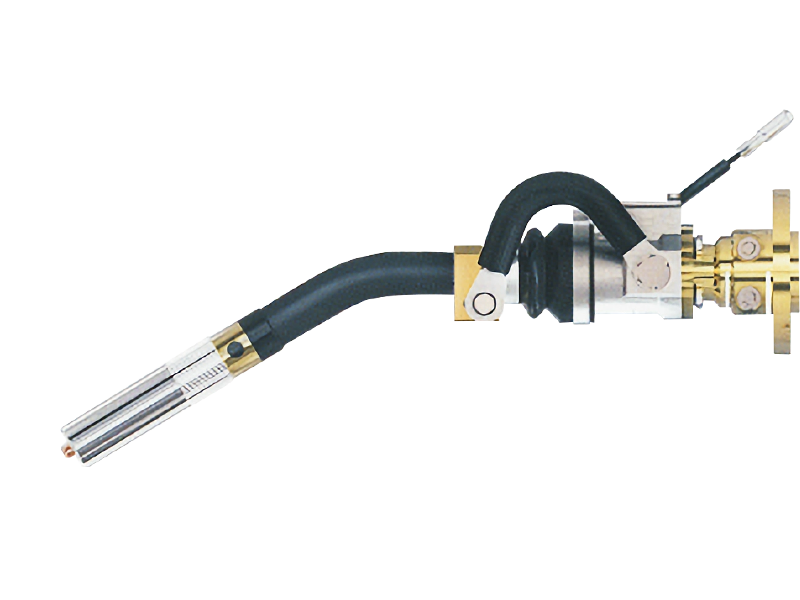
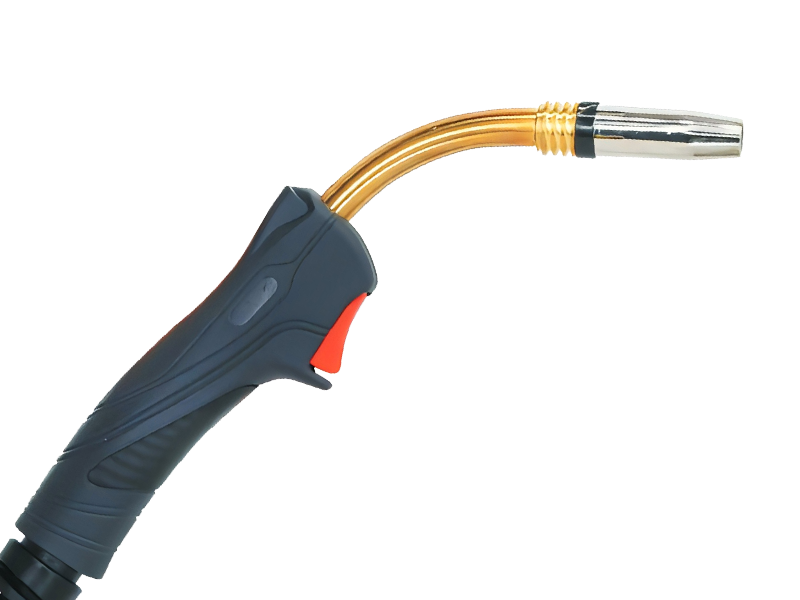
**MIG welding** utilizes a continuous solid wire electrode, feeding it through a welding gun and creating an arc between the wire and the workpiece. This method is efficient for joining thin to medium-thick materials.
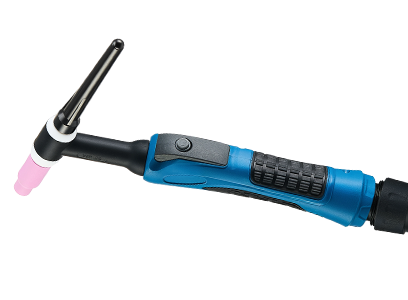
**TIG welding**, on the other hand, uses a non-consumable tungsten electrode to produce the weld. It requires a filler material and provides the welder with greater control over the weld pool, making it ideal for high-quality, precision work.
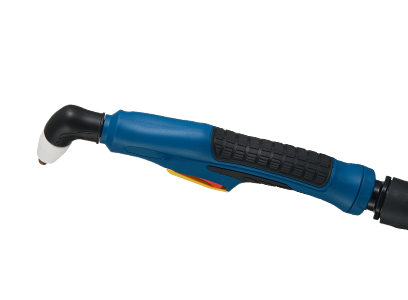
**Plasma cutting** employs a high-velocity jet of ionized gas to cut through metals. It is highly effective for cutting thick materials with precision and speed.
The Importance of Material Selection in Welding
Choosing the right materials for your welding project is pivotal. The correct selection can lead to stronger, more durable welds and reduce the likelihood of defects. Conversely, using inappropriate materials can result in weak joints, increased costs, and safety hazards. Understanding the nuances of various materials ensures that your welding projects will stand the test of time.
Types of Materials Suitable for MIG, TIG, and Plasma Cutting
Selecting the right materials begins with recognizing the types of metals commonly used in welding:
MIG Welding Materials
- **Mild Steel**: The most common material for MIG welding, mild steel provides excellent weldability and strength.
- **Stainless Steel**: Known for its corrosion resistance, stainless steel is suitable for both aesthetic and functional applications.
- **Aluminum**: This lightweight material requires special consideration due to its thermal properties but can yield strong and lightweight structures when welded correctly.
TIG Welding Materials
- **Nickel Alloys**: TIG welding is ideal for nickel alloys, which require precision and control.
- **Copper Alloys**: For applications needing excellent conductivity, copper alloys are commonly welded using TIG.
- **High-Strength Steel**: This material benefits from the precision of TIG welding for optimal results.
Plasma Cutting Materials
- **Mild Steel**: Suitable for various thicknesses, mild steel is easily cut using plasma techniques.
- **Stainless Steel**: Plasma cutting offers clean edges on stainless steel, making it ideal for high-quality finishes.
- **Aluminum**: Plasma cutting aluminum allows for thin and intricate designs without distortion.
Key Considerations for Material Selection
When selecting materials for welding, several factors need careful consideration:
Material Thickness
The thickness of the material dictates the welding technique and settings required. Thicker materials may require a higher amperage and more robust filler materials.
Corrosion Resistance
Depending on the application, it may be essential to choose materials resistant to corrosion, especially for outdoor or marine environments.
Weldability
Different metals have varying levels of weldability. Understanding how a specific material reacts to heat and welding processes is essential for successful welding.
Cost Implications
Budget constraints can significantly impact material selection. Weighing the costs against performance and durability is crucial for project success.
Understanding Material Properties and Their Impact on Welding
Different materials possess unique properties that affect the welding process and final product quality.
Tensile Strength
Higher tensile strength materials require careful handling during welding to prevent warping and distortion.
Thermal Conductivity
Metals with high thermal conductivity, like aluminum, require specific welding techniques to ensure proper heat management.
Melting Point
Awareness of a material’s melting point is crucial in selecting the right welding method and settings to avoid burn-through.
Best Practices for Selecting Materials
To ensure optimal results in your welding projects, consider the following best practices:
Conduct Thorough Research
Understanding the properties and applications of different materials will enhance your decision-making process.
Consult Manufacturers and Experts
Don't hesitate to reach out to material manufacturers or welding professionals for insights and recommendations.
Test Samples Before Committing
Whenever possible, conduct test welds on sample materials to gauge performance and suitability.
Common Misconceptions About Materials in Welding
There are several misconceptions regarding welding materials that can lead to poor outcomes:
All Metals are Created Equal
Not all metals have the same weldability or properties. Each type requires understanding and specific techniques.
Thicker Materials are Always Better
While thicker materials can offer strength, they may also complicate the welding process and require advanced techniques.
Only Price Matters
While cost is a factor, durability, strength, and specific properties often outweigh initial price considerations in the long term.
FAQ: Your Questions Answered
1. What is the best material for MIG welding?
Mild steel is often regarded as the best material for MIG welding due to its excellent weldability and affordability.
2. Can I use aluminum for TIG welding?
Yes, aluminum is suitable for TIG welding, but it requires a specific approach to manage its thermal properties effectively.
3. What are the advantages of plasma cutting over other methods?
Plasma cutting offers high precision, speed, and the ability to cut through thicker materials compared to traditional cutting methods.
4. How do I choose the right filler material?
Select a filler material compatible with the base metal and suited for the welding process being used.
5. Is corrosion resistance important for all applications?
Not always; however, for projects exposed to harsh environments, selecting corrosion-resistant materials is vital for longevity.
Conclusion
Selecting the best materials for MIG, TIG, and plasma cutting is a critical step in ensuring successful welding projects. By understanding different welding processes, the types of materials available, and the factors influencing material selection, we can make informed decisions that enhance the quality and durability of our work. Incorporating best practices and debunking common misconceptions will equip you with the knowledge needed to excel in welding applications. Prioritize research, experimentation, and consultation to maximize your welding project outcomes.
TAG:
Previous
Related Posts
How to Select the Best Materials for MIG, TIG, and Plasma Cutting: A Comprehensive Guide
How to Select the Best Materials for MIG, TIG, and Plasma Cutting
Table of Contents
Understanding Welding Processes: MIG, TIG, and Plasma Cutting
The Importance of Material Selection in Welding
Types of Materials Suitable for MIG, TIG, and Plasma Cutting
Key Considerations for Material Selection
Understanding Material Properties and Their Impact on Welding
Best Practices f

MESSAGES
We will contact you within one working day. Please pay attention to your email.
Qucik Link
Contact
WhatsApp: +8615833370366
E-mail: zhaoyiqian@hrwelding.cn
Address: No. 105 Yongming Street, Dahe Road, East of Renqiu City, Hebei, China