
Essential Maintenance Tips for Your MIG Welding Robot: Maximize Performance and Longevity
2026-03-11


Essential Maintenance Tips for Your MIG Welding Robot
Table of Contents
Introduction to MIG Welding Robots and Their Importance
Understanding MIG Welding Robots: A Brief Overview
Routine Maintenance Tasks for MIG Welding Robots
Cleaning and Inspection Procedures
Calibration and Setup for Optimal Performance
Updating Software and Firmware: Why It Matters
Troubleshooti
Essential Maintenance Tips for Your MIG Welding Robot
Table of Contents
- Introduction to MIG Welding Robots and Their Importance
- Understanding MIG Welding Robots: A Brief Overview
- Routine Maintenance Tasks for MIG Welding Robots
- Cleaning and Inspection Procedures
- Calibration and Setup for Optimal Performance
- Updating Software and Firmware: Why It Matters
- Troubleshooting Common MIG Welding Robot Issues
- When to Call a Professional for Repairs
- Conclusion: Ensuring Reliability and Efficiency
- FAQs About MIG Welding Robot Maintenance
Introduction to MIG Welding Robots and Their Importance
MIG (Metal Inert Gas) welding robots have revolutionized the manufacturing industry by providing consistent and high-quality welds. These automated systems offer numerous advantages, including increased efficiency, improved precision, and reduced labor costs. However, like any sophisticated machinery, MIG welding robots require regular maintenance to operate at their best. Neglecting this aspect can lead to decreased performance, increased downtime, and costly repairs. In this article, we will explore essential maintenance tips to help you maximize the performance and longevity of your MIG welding robot.
Understanding MIG Welding Robots: A Brief Overview
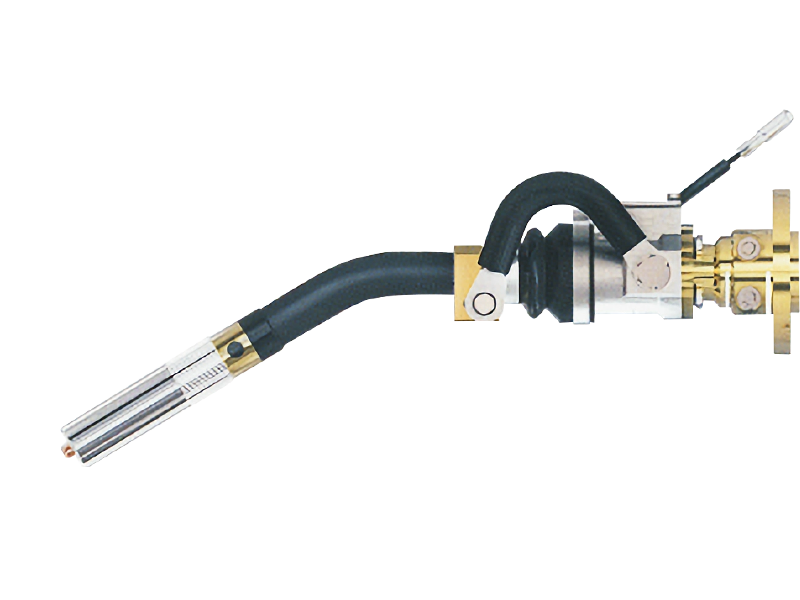
MIG welding robots are designed to automate the welding process, making it easier to achieve consistent results. These robots use a continuous solid wire electrode fed through a welding gun and a shielding gas to protect the weld pool from contaminants. The key components of a MIG welding robot include:
Key Components of a MIG Welding Robot
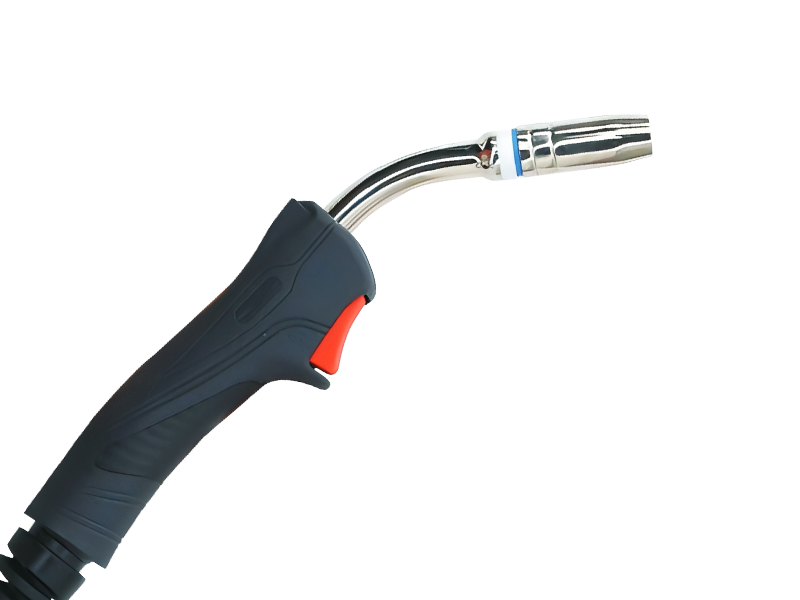
- Welding Gun: The part that feeds the wire and delivers the weld.
- Power Supply: Provides the necessary voltage and current for the welding process.
- Controller: Governs the robot's movements and the welding parameters.
- Robot Arm: The mechanical arm that moves the welding gun to perform the weld.
Understanding these components is crucial for performing effective maintenance.
Routine Maintenance Tasks for MIG Welding Robots
To keep your MIG welding robot running smoothly, it is essential to incorporate routine maintenance into your operational schedule. Here are some key tasks to consider:
Daily Maintenance Checks
- **Inspect Cables and Connections:** Ensure all cables are secure and free from damage. Look for signs of wear and tear, which can lead to electrical issues.
- **Check Gas Levels:** Verify that the shielding gas supply is adequate to avoid interruptions during the welding process.
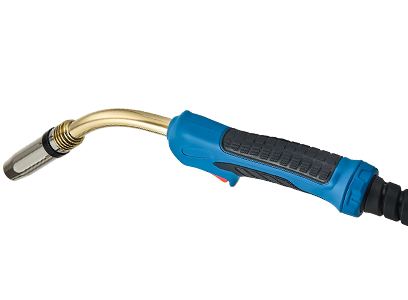
- **Examine the Welding Gun:** Look for any obstructions in the nozzle and ensure that the contact tip is in good condition.
Weekly Maintenance Tasks
- **Clean the Welding Gun:** Remove any spatter buildup around the welding gun and ensure that the nozzle is clear.
- **Lubrication:** Apply appropriate lubricants to moving parts such as the robot arm joints to minimize friction and wear.
Monthly Maintenance Checks
- **Electrical System Inspection:** Regularly check the power supply, controller, and wiring for any signs of damage or overheating.
- **Calibration Review:** Ensure that the robot is properly calibrated to maintain accuracy in welding operations.
Cleaning and Inspection Procedures
Proper cleaning and inspection are critical for maintaining the efficiency and reliability of your MIG welding robot. Here are best practices to follow:
Cleaning the Welding Equipment
- **Use Non-Abrasive Cleaners:** Choose cleaning solutions that won’t damage the robot components.
- **Regularly Clean the Nozzle:** A clean nozzle ensures proper gas flow and prevents defects in weld quality.
- **Inspect for Contamination:** Always check for contamination around the welding area, as it can lead to poor welds.
Inspection Protocols
- **Visual Inspections:** Conduct regular visual inspections of all components. Look for any signs of corrosion, wear, or other issues.
- **Functional Testing:** Occasionally run a functional test to ensure that the welding robot operates correctly and meets performance standards.
Calibration and Setup for Optimal Performance
Calibration is a fundamental aspect of maintaining your MIG welding robot. Proper calibration ensures that the robot operates within specified parameters, resulting in high-quality welds.
Importance of Calibration
- **Accuracy in Welding:** Calibration guarantees that the robot follows the programmed path accurately, providing consistent results.
- **Material Compatibility:** Different materials may require unique settings; consistent calibration helps achieve the best results for each type of material.
Steps for Effective Calibration
1. **Follow Manufacturer Guidelines:** Always refer to the manufacturer's calibration instructions for your specific model.
2. **Use Calibration Tools:** Employ precise measurement tools to verify that the robot is aligned correctly.
3. **Document Calibration Changes:** Keep a record of any changes made during the calibration process for future reference.
Updating Software and Firmware: Why It Matters
Maintaining up-to-date software and firmware is vital for the optimal performance of your MIG welding robot. Regular updates can improve functionality, fix bugs, and enhance security.
Benefits of Software Updates
- **Improved Features:** New software versions often introduce enhanced features that can optimize your welding process.
- **Bug Fixes:** Updates can resolve previously identified issues, improving the overall reliability of the robot.
How to Update Software
- **Check Compatibility:** Ensure that the new software version is compatible with your robot model.
- **Backup Settings:** Always back up your current settings before proceeding with any updates.
- **Follow Update Instructions:** Carefully follow the update instructions provided by the manufacturer to avoid any complications.
Troubleshooting Common MIG Welding Robot Issues
Even with regular maintenance, issues may arise. Being able to troubleshoot common problems can save you time and resources.
Common Problems and Solutions
1. **Poor Weld Quality:** Check for improper settings, gas flow issues, or a dirty nozzle.
2. **Inconsistent Welding Speed:** Inspect the motor drive and ensure that all cables are securely connected.
3. **Electrical Issues:** Look for signs of wear on cables and connections, and address any concerns promptly.
When to Call a Professional for Repairs
While many maintenance tasks can be performed in-house, there are situations when it is best to call a professional technician.
Signs You Need a Professional
- **Persistent Issues:** If problems continue despite troubleshooting, it may indicate a deeper issue requiring professional diagnosis.
- **Mechanical Failures:** Components that require replacement or repair should be handled by qualified personnel to ensure safe and effective solutions.
- **Electrical Problems:** Any electrical issues should be addressed by trained technicians to avoid hazards.
Conclusion: Ensuring Reliability and Efficiency
Maintaining your MIG welding robot is crucial for ensuring its reliability and efficiency. By implementing routine maintenance tasks, cleaning and inspection procedures, and regular calibration, you can enhance the performance and longevity of your welding robot. Staying proactive in addressing common issues and keeping software up to date will further optimize your operations. Ultimately, a well-maintained MIG welding robot not only improves productivity but also contributes to the overall quality of your welding projects.
FAQs About MIG Welding Robot Maintenance
1. What is the most important maintenance task for a MIG welding robot?
Regular cleaning and inspection of the welding gun and components are critical to maintaining performance.
2. How often should I calibrate my MIG welding robot?
Calibration should be performed regularly, ideally after significant changes in material or settings, or at least once a month.
3. Can I perform maintenance on my MIG welding robot myself?
Yes, many routine maintenance tasks can be performed in-house, but complex issues should be addressed by professionals.
4. What are signs that my welding robot needs maintenance?
Signs include inconsistent weld quality, unusual noises, and warning lights on the control panel.
5. Is software updating necessary for MIG welding robots?
Yes, keeping software up to date is essential for optimal functionality and performance enhancements.
By following these essential maintenance tips, you can ensure that your MIG welding robot continues to deliver high-quality results and operates efficiently for years to come.
TAG:
Related Posts

Water Cooled MIG Welding Torches: A Game Changer for Heavy-Duty Projects
Water Cooled MIG Welding Torches: A Game Changer for Heavy-Duty Projects
Table of Contents
1. Introduction to Water Cooled MIG Welding Torches
2. Understanding MIG Welding and Its Applications
3. The Science Behind Water Cooling Technology
3.1 How Water Cooling Works
3.2 Advantages Over Air-Cooled Torches
4. Benefits of Using Water Cooled MIG Welding Torches
4.1 Enhanced Performanc

MESSAGES
We will contact you within one working day. Please pay attention to your email.
Qucik Link
Contact
WhatsApp: +8615833370366
E-mail: zhaoyiqian@trevor-welding.com
Address: No. 105 Yongming Street, Dahe Road, East of Renqiu City, Hebei, China