
Essential Equipment for MIG Welding: A Comprehensive Guide
2026-03-08


MIG welding, or Metal Inert Gas welding, is a popular welding process known for its efficiency and versatility. To achieve quality welds, having the right equipment for MIG welding is crucial. Here, we outline the essential components that every MIG welder should consider.
1. **MIG Welding Machine**: The heart of MIG welding is the welding machine itself. MIG welders feed a continuous wire electro
MIG welding, or Metal Inert Gas welding, is a popular welding process known for its efficiency and versatility. To achieve quality welds, having the right equipment for MIG welding is crucial. Here, we outline the essential components that every MIG welder should consider.
1. **MIG Welding Machine**: The heart of MIG welding is the welding machine itself. MIG welders feed a continuous wire electrode that melts to join metals. When selecting a machine, consider factors such as voltage output and duty cycle, which are crucial for different types of welding tasks. A light-duty welder is suitable for thin materials, while heavy-duty models are designed for thicker metals.
2. **Shielding Gas**: In MIG welding, shielding gas is vital for protecting the molten weld pool from contamination. Common gases include argon, carbon dioxide, or a mix of both. The choice of gas affects the quality and appearance of the weld. For instance, pure argon is ideal for aluminum, while a CO2 mix is often preferred for steel due to its cost-effectiveness and penetration capabilities.
3. **Welding Wire**: The welding wire serves as the filler material that melts to form the weld. Different types of wires are available, including solid and flux-cored wires. Solid wires require an external shielding gas, while flux-cored wires contain a flux that provides its own shielding. The wire diameter affects the weld penetration and speed, so it's essential to choose one that matches your project needs.
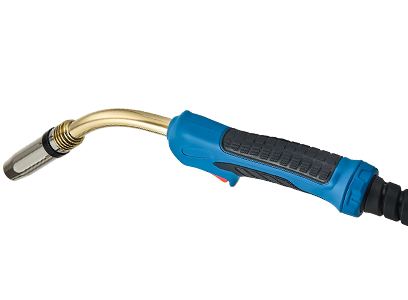
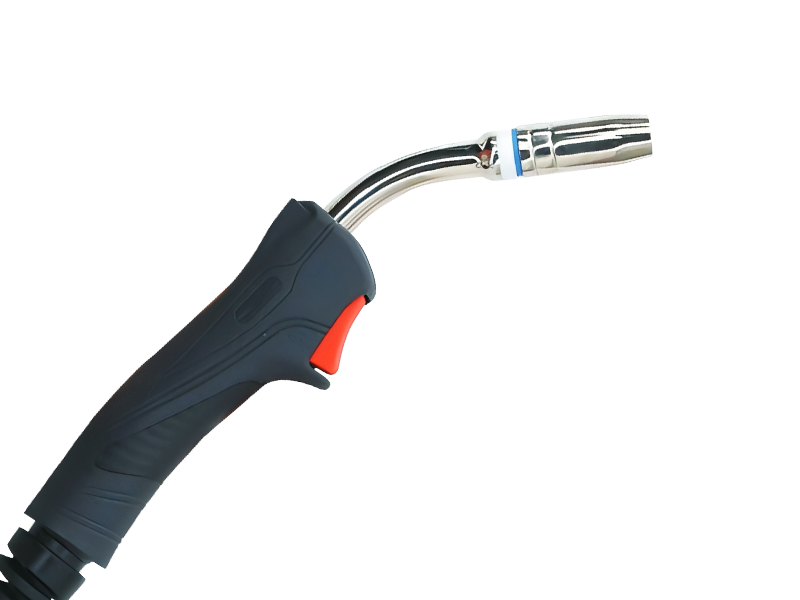
4. **Electrode Holder**: While not always highlighted, a sturdy electrode holder is essential for guiding the wire during welding. It should be comfortable to handle and allow for precise control of the welding arc.
5. **Protective Gear**: Safety should always be a priority in welding. Essential protective gear includes a welding helmet with appropriate shade, gloves, and flame-resistant clothing. A quality helmet protects your eyes and face from sparks and harmful UV radiation.
6. **Workpiece Preparation Tools**: Proper preparation of the workpieces, such as cleaning tools, clamps, and grinders, ensures a quality weld. Removing contaminants like rust, paint, and oil is critical for achieving strong welds.
7. **Welding Cart and Accessories**: A welding cart can help organize your equipment and provide mobility. Additional accessories like wire brushes, spools, and contact tips are also important for maintaining and enhancing your welding setup.
In summary, having the right equipment for MIG welding not only facilitates the welding process but also enhances the quality and efficiency of your work. By understanding and investing in these essential tools and accessories, you can optimize your welding projects and achieve professional results.
1. **MIG Welding Machine**: The heart of MIG welding is the welding machine itself. MIG welders feed a continuous wire electrode that melts to join metals. When selecting a machine, consider factors such as voltage output and duty cycle, which are crucial for different types of welding tasks. A light-duty welder is suitable for thin materials, while heavy-duty models are designed for thicker metals.
2. **Shielding Gas**: In MIG welding, shielding gas is vital for protecting the molten weld pool from contamination. Common gases include argon, carbon dioxide, or a mix of both. The choice of gas affects the quality and appearance of the weld. For instance, pure argon is ideal for aluminum, while a CO2 mix is often preferred for steel due to its cost-effectiveness and penetration capabilities.
3. **Welding Wire**: The welding wire serves as the filler material that melts to form the weld. Different types of wires are available, including solid and flux-cored wires. Solid wires require an external shielding gas, while flux-cored wires contain a flux that provides its own shielding. The wire diameter affects the weld penetration and speed, so it's essential to choose one that matches your project needs.
4. **Electrode Holder**: While not always highlighted, a sturdy electrode holder is essential for guiding the wire during welding. It should be comfortable to handle and allow for precise control of the welding arc.
5. **Protective Gear**: Safety should always be a priority in welding. Essential protective gear includes a welding helmet with appropriate shade, gloves, and flame-resistant clothing. A quality helmet protects your eyes and face from sparks and harmful UV radiation.
6. **Workpiece Preparation Tools**: Proper preparation of the workpieces, such as cleaning tools, clamps, and grinders, ensures a quality weld. Removing contaminants like rust, paint, and oil is critical for achieving strong welds.
7. **Welding Cart and Accessories**: A welding cart can help organize your equipment and provide mobility. Additional accessories like wire brushes, spools, and contact tips are also important for maintaining and enhancing your welding setup.
In summary, having the right equipment for MIG welding not only facilitates the welding process but also enhances the quality and efficiency of your work. By understanding and investing in these essential tools and accessories, you can optimize your welding projects and achieve professional results.
TAG:
Related Posts

Water Cooled MIG Welding Torches: A Game Changer for Heavy-Duty Projects
Water Cooled MIG Welding Torches: A Game Changer for Heavy-Duty Projects
Table of Contents
1. Introduction to Water Cooled MIG Welding Torches
2. Understanding MIG Welding and Its Applications
3. The Science Behind Water Cooling Technology
3.1 How Water Cooling Works
3.2 Advantages Over Air-Cooled Torches
4. Benefits of Using Water Cooled MIG Welding Torches
4.1 Enhanced Performanc

MESSAGES
We will contact you within one working day. Please pay attention to your email.
Qucik Link
Contact
WhatsApp: +8615833370366
E-mail: zhaoyiqian@trevor-welding.com
Address: No. 105 Yongming Street, Dahe Road, East of Renqiu City, Hebei, China