
Expert Tips for Maintaining Your 250 Amp TIG Torch for Optimal Performance
2025-06-16


Expert Tips for Maintaining Your 250 Amp TIG Torch for Optimal Performance
Table of Contents
1. Introduction to TIG Welding and Its Importance
2. Understanding the 250 Amp TIG Torch
3. Benefits of Regular Torch Maintenance
4. Effective Cleaning Techniques for Your TIG Torch
5. Proper Care for Tungsten Electrodes
6. Maintaining Your TIG Torch Nozzle
7. Protecting Your Torch Cables an
Expert Tips for Maintaining Your 250 Amp TIG Torch for Optimal Performance
Table of Contents
- 1. Introduction to TIG Welding and Its Importance
- 2. Understanding the 250 Amp TIG Torch
- 3. Benefits of Regular Torch Maintenance
- 4. Effective Cleaning Techniques for Your TIG Torch
- 5. Proper Care for Tungsten Electrodes
- 6. Maintaining Your TIG Torch Nozzle
- 7. Protecting Your Torch Cables and Connections
- 8. Troubleshooting Common TIG Torch Issues
- 9. Conclusion
- 10. Frequently Asked Questions
1. Introduction to TIG Welding and Its Importance
TIG (Tungsten Inert Gas) welding is a widely used method for achieving precise, high-quality welds on a variety of metals, including aluminum, stainless steel, and magnesium. The process relies on a non-consumable tungsten electrode, which produces a stable arc that melts the base material. A 250 Amp TIG torch is particularly popular for its versatility, offering the power needed to tackle both thin and thicker materials efficiently. However, maintaining this tool is crucial for achieving the best results in your welding projects.
2. Understanding the 250 Amp TIG Torch
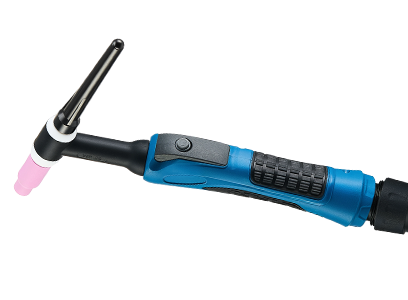
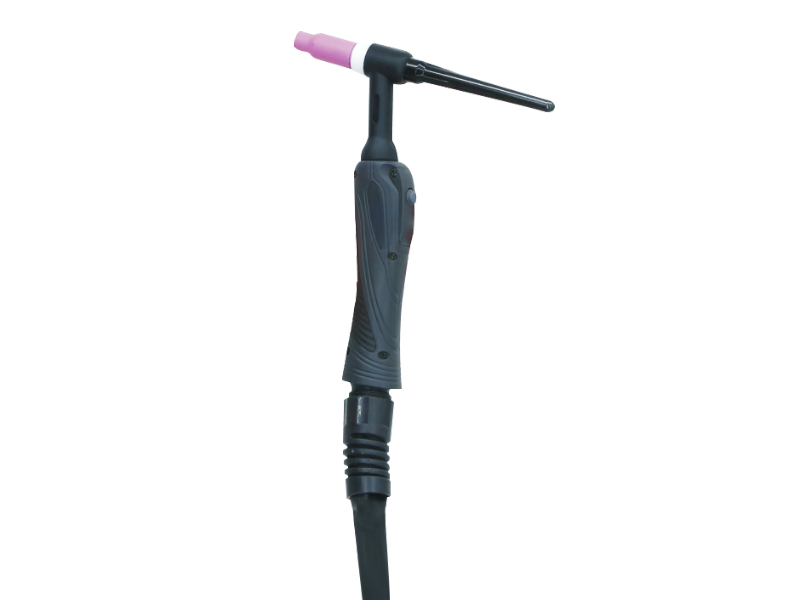
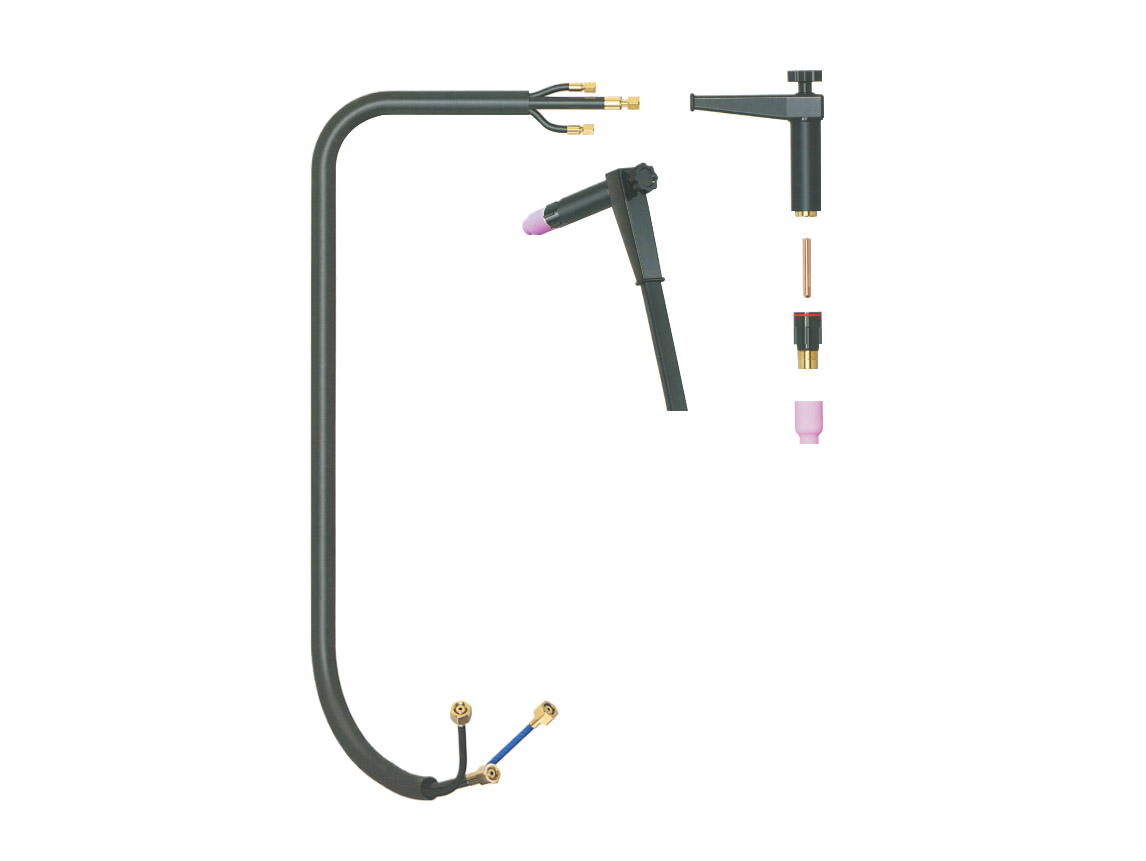
A 250 Amp TIG torch is designed to handle high amperage settings, making it suitable for a range of applications from hobbyist projects to industrial welding. Understanding its components is essential for effective maintenance. The main parts of a TIG torch include:
2.1 Electrode
The tungsten electrode is the heart of the torch, producing the arc needed for welding.
2.2 Nozzle
The nozzle protects the arc from contamination while allowing shielding gas to flow.
2.3 Collet and Collet Body
These parts secure the tungsten electrode in place and ensure proper electrical contact.
2.4 Cable and Connection
Quality cables are crucial for efficient power transmission and to minimize the risk of overheating.
3. Benefits of Regular Torch Maintenance
Regular maintenance of your 250 Amp TIG torch offers numerous benefits:
- **Enhanced Performance**: A well-maintained torch operates more efficiently, allowing for smoother welding arcs and better control.
- **Longer Lifespan**: Routine care can significantly extend the life of your equipment, reducing the need for costly replacements.
- **Improved Safety**: Regular checks can prevent malfunctions that could lead to dangerous situations during welding.
- **Cost Savings**: Investing time in maintenance can save you money by preventing major repairs and optimizing gas usage.
4. Effective Cleaning Techniques for Your TIG Torch
Cleaning your TIG torch is one of the most crucial aspects of maintenance. Here are some effective cleaning techniques:
4.1 Regular Inspection
Before each use, inspect the torch for any signs of wear, damage, or buildup of debris.
4.2 Cleaning the Nozzle
Use a soft brush or cloth to clean the nozzle. If there is significant buildup, consider soaking it in a suitable solvent to dissolve any contaminants.
4.3 Electrode Maintenance
Keep the tungsten electrode clean by grinding it properly and removing any oxidation. Use a dedicated tungsten grinder for the best results.
5. Proper Care for Tungsten Electrodes
The tungsten electrode is vital for effective welding. Proper care involves:
5.1 Choosing the Right Electrode
Select the correct tungsten electrode based on the material and thickness you are welding. For aluminum, use a 2% thoriated tungsten, while for stainless steel, a ceriated tungsten is beneficial.
5.2 Grinding Techniques
When grinding the electrode, maintain a consistent angle (about 20 degrees) to ensure a sharp point that produces a focused arc.
5.3 Cleaning After Use
After each welding session, clean any impurities from the electrode to prevent contamination in future projects.
6. Maintaining Your TIG Torch Nozzle
The nozzle plays a crucial role in protecting the arc. Proper maintenance includes:
6.1 Regular Replacement
Nozzles can wear out over time, so replace them as needed to maintain optimal shielding effectiveness.
6.2 Inspection for Cracks
Check the nozzle for any cracks or damage that could hinder performance.
6.3 Gas Flow Adjustment
Ensure the gas flow is correctly set for the specific application to prevent oxidation and achieve clean welds.
7. Protecting Your Torch Cables and Connections
The cables and connections of your TIG torch are critical for ensuring consistent performance. Follow these tips:
7.1 Inspect Cables Regularly
Check for signs of wear, fraying, or damage. Faulty cables can lead to electrical issues and reduced performance.
7.2 Secure Connections
Ensure all connections are tight and free from corrosion to maintain efficient power transfer.
7.3 Proper Storage
Store your torch and cables properly to prevent damage. Avoid bending or twisting cables excessively.
8. Troubleshooting Common TIG Torch Issues
Even with regular maintenance, issues may arise. Here are common problems and solutions:
8.1 Inconsistent Arc
If the arc is unstable, check the gas flow, electrode condition, and ensure the torch is properly grounded.
8.2 Overheating
Overheating can be caused by excessive amperage or poor ventilation. Reduce the amperage or improve airflow.
8.3 Poor Weld Quality
If welds are inconsistent, inspect the nozzle and electrode for cleanliness, and ensure proper gas coverage.
9. Conclusion
Maintaining your 250 Amp TIG torch is essential for achieving peak performance and ensuring the longevity of your welding equipment. By following these expert tips on cleaning, electrode care, nozzle maintenance, and troubleshooting, you will not only enhance the quality of your welds but also improve safety during your projects. Regular maintenance is an investment in your craft, leading to better results and satisfaction in your welding endeavors.
10. Frequently Asked Questions
1. How often should I clean my TIG torch?
It's best to clean your torch after every use; however, regular inspections should be conducted before each use.
2. What type of tungsten electrode should I use for aluminum?
For aluminum welding, a 2% thoriated tungsten electrode is recommended.
3. How can I tell if my nozzle needs replacement?
If you notice cracks, excessive wear, or if the nozzle is no longer fitting securely, it’s time for a replacement.
4. What causes overheating in a TIG torch?
Overheating can occur due to excessive amperage, poor ventilation, or damaged cables.
5. Can I use any type of gas for TIG welding?
Argon is the primary shielding gas used in TIG welding, though a mix of argon and helium can be used for specific applications.
TAG:
Related Posts
Enhancing Your Skills: Advanced Techniques for 250 Amp TIG Welding
Enhancing Your Skills: Advanced Techniques for 250 Amp TIG Welding
Table of Contents
1. Introduction to 250 Amp TIG Welding
2. Understanding TIG Welding: A Brief Overview
3. Essential Equipment for 250 Amp TIG Welding
4. Preparation Techniques: Setting Up for Success
5. Advanced Welding Techniques for Enhanced Performance
5.1 Mastering Control and Precisio

MESSAGES
We will contact you within one working day. Please pay attention to your email.
Qucik Link
Contact
WhatsApp: +8615833370366
E-mail: zhaoyiqian@hrwelding.cn
Address: No. 105 Yongming Street, Dahe Road, East of Renqiu City, Hebei, China