
Key Features to Look for in Quality MIG Gun Parts: A Comprehensive Guide
2025-06-02


Key Features to Look for in Quality MIG Gun Parts
Welding is a crucial process in various industries, and selecting the right equipment can significantly impact the quality of work produced. Among the most important tools in MIG (Metal Inert Gas) welding is the MIG gun. Its parts must not only function correctly but also withstand the rigors of heavy use. In this article, we will delve into the **
Key Features to Look for in Quality MIG Gun Parts
Welding is a crucial process in various industries, and selecting the right equipment can significantly impact the quality of work produced. Among the most important tools in MIG (Metal Inert Gas) welding is the MIG gun. Its parts must not only function correctly but also withstand the rigors of heavy use. In this article, we will delve into the **key features to look for in quality MIG gun parts**, guiding you through essential factors that contribute to superior performance and longevity.
Understanding MIG Gun Parts
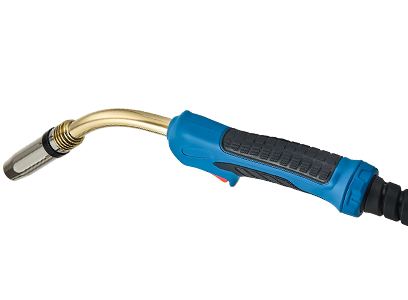
Before we explore the critical features of MIG gun parts, it’s essential to understand what these components are. A MIG gun typically consists of several parts, including:
- **Nozzle:** Directs the shielding gas and helps in wire feeding.
- **Contact Tip:** Conducts electricity to the welding wire and melts it.
- **Diffuser:** Distributes shielding gas evenly around the weld area.
- **Power Cable:** Supplies electrical power to the MIG gun.
- **Trigger:** Activates the welding process.
Each of these components plays a vital role in the overall performance of the MIG gun.
1. Material Quality: The Foundation of Durability
When selecting MIG gun parts, the **material quality** is paramount. High-quality MIG gun components should be made from durable materials that can endure high temperatures and resist wear and tear.
1.1 Copper for Conductivity
The **contact tip** and **power cable** should ideally be made from copper or copper alloys. Copper offers excellent electrical conductivity, which is essential for maintaining a consistent welding arc.
1.2 Heat-Resistant Alloys
Nozzles and diffusers often experience extreme temperatures. Look for parts made from heat-resistant alloys that can withstand high thermal stress without deforming.
2. Compatibility with Welding Machines
MIG guns come in various designs and specifications, which can affect their compatibility with different welding machines. When purchasing MIG gun parts, ensure they are compatible with your existing welding equipment to avoid performance issues.
2.1 Check Manufacturer Guidelines
Always refer to the manufacturer’s guidelines to determine which parts are compatible with your specific MIG welder model. Using incompatible components can lead to inefficient welding and potential damage to the machine.
3. Ergonomic Design: Enhancing User Experience
Welding can be a demanding task, often requiring long hours of operation. An **ergonomic design** in MIG gun parts can significantly enhance the user experience.
3.1 Grip and Weight Considerations
Look for MIG guns that feature comfortable grips and are lightweight. This design minimizes fatigue during extended use, allowing for better control and precision in welding tasks.
3.2 Trigger Placement and Responsiveness
The placement and responsiveness of the trigger are also crucial. A trigger that is easy to access and responsive will enable smoother operation, reducing the risk of accidental arcing.
4. Wire Feeding Mechanism: Ensuring Consistency
The wire feeding mechanism is vital for the performance of a MIG gun. An effective wire feeder ensures a consistent supply of welding wire, which is critical for producing high-quality welds.
4.1 Smooth Feed Path
Examine the path through which the welding wire passes. A smooth feed path with minimal friction reduces the likelihood of wire jams and ensures a steady flow of wire.
4.2 Adjustable Feed Speed
Some MIG guns offer adjustable feed speeds. This feature allows welders to customize the wire feed rate based on the welding project, enhancing versatility and performance.
5. Cooling Features: Preventing Overheating
Overheating is a common issue when using MIG guns for prolonged periods. Quality MIG gun parts often incorporate features designed to prevent overheating.
5.1 Integrated Cooling Channels
Look for MIG guns with integrated cooling channels in the design. These channels promote airflow and help dissipate heat generated during welding.
5.2 Efficient Gas Flow
A well-designed gas flow system ensures that shielding gas efficiently surrounds the weld area, contributing to lower temperatures and better protection against oxidation.
6. Maintenance and Replaceability: Long-term Considerations
Investing in MIG gun parts that are easy to maintain and replace can save you time and money in the long run.
6.1 Ease of Disassembly
Choose MIG guns designed for easy disassembly. This feature allows for quick maintenance and replacement of worn parts, ensuring that your equipment remains in top condition.
6.2 Availability of Replacement Parts
Check the availability of replacement parts for the MIG gun you choose. A readily accessible supply of components can make maintenance more convenient and less costly.
7. Brand Reputation and Reviews: Making Informed Choices
When investing in MIG gun parts, consider the reputation of the brand and product reviews.
7.1 Established Manufacturers
Choose parts from established manufacturers known for producing durable and high-quality welding equipment. Brands with a solid reputation often have a history of customer satisfaction and reliability.
7.2 Customer Feedback
Reading customer reviews can provide valuable insights into the performance and longevity of MIG gun parts. Look for feedback regarding durability, ease of use, and overall satisfaction.
8. Price vs. Quality: Finding the Right Balance
While it might be tempting to opt for the cheapest MIG gun parts, balancing price and quality is crucial.
8.1 Investing in Quality
High-quality MIG gun parts may come with a higher price tag, but they often provide better performance and durability, ultimately saving you money on replacements and repairs in the long run.
8.2 Budget Considerations
Evaluate your budget and welding needs. Sometimes, investing a little more upfront can lead to significant savings and improved results later on.
Frequently Asked Questions (FAQs)
1. What is the lifespan of MIG gun parts?
The lifespan of MIG gun parts can vary depending on usage and maintenance. Generally, quality parts can last from several months to a few years with proper care.
2. How often should I replace MIG gun components?
It is recommended to inspect MIG gun components regularly for wear and replace them as needed. Signs of damage or reduced performance indicate it might be time for a replacement.
3. Can I use generic parts for my MIG gun?
While generic parts may fit, they might not offer the same quality and performance as branded components specifically designed for your MIG gun.
4. What should I do if my MIG gun overheats?
If your MIG gun overheats, allow it to cool down before continuing to use it. Check for any blockages in the cooling system and ensure that you are using the correct voltage and wire feed settings.
5. Are there specific brands that are recommended for MIG gun parts?
Several reputable brands are known for producing high-quality MIG gun parts, including Miller, Lincoln Electric, and Tweco. Always consider brand reputation and customer reviews when making a selection.
Conclusion
Selecting the right MIG gun parts is crucial for achieving optimal performance in your welding projects. By focusing on material quality, compatibility, ergonomic design, the wire feeding mechanism, cooling features, ease of maintenance, brand reputation, and balancing price with quality, you can ensure that you are investing in components that will serve you well for years to come. Quality MIG gun parts not only enhance your welding experience but also contribute to the overall quality of your work. Make informed decisions, and enjoy the benefits of a well-equipped welding setup.
TAG:
Related Posts

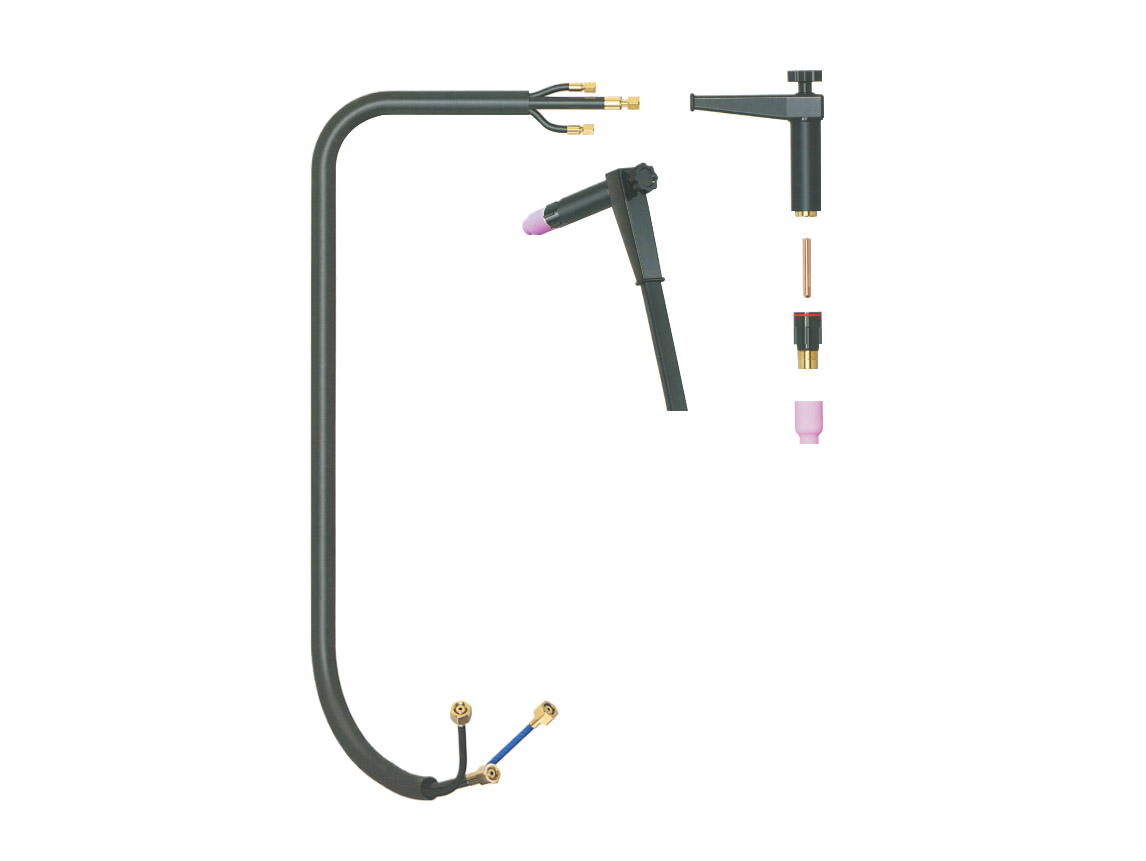
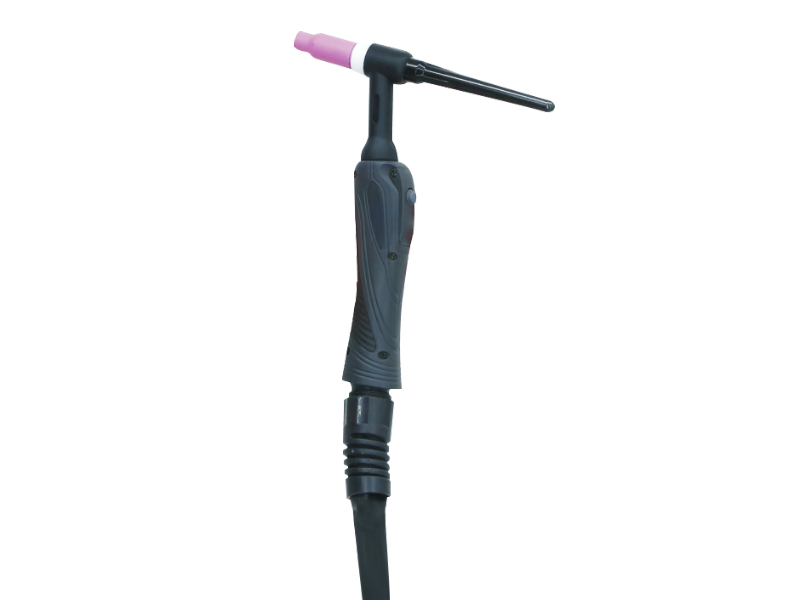
Understanding TIG Torch Hoses: Essential Knowledge for Welders
TIG torch hoses are vital components in the welding process, particularly for tungsten inert gas (TIG) welding, which is known for its precision and versatility. These hoses transport the shielding gas, which is crucial for protecting the weld pool from atmospheric contamination. Understanding the specifications and maintenance of TIG torch hoses can significantly impact your welding efficiency an
MESSAGES
We will contact you within one working day. Please pay attention to your email.
Qucik Link
Contact
WhatsApp: +8615833370366
E-mail: zhaoyiqian@hrwelding.cn
Address: No. 105 Yongming Street, Dahe Road, East of Renqiu City, Hebei, China