
MIG Welding Torches: Common Mistakes and How to Avoid Them
2025-05-29


MIG Welding Torches: Common Mistakes and How to Avoid Them
Table of Contents
Understanding MIG Welding Torches
Common Mistakes in MIG Welding
Mistake 1: Using the Wrong Torch for Your Project
Mistake 2: Inadequate Gas Flow Settings
Mistake 3: Ignoring the Type of Welding Wire
Mistake 4: Not Maintaining Your Torch Properly
Mistake 5: Poor Heat Settings
Best Practice
MIG Welding Torches: Common Mistakes and How to Avoid Them
Table of Contents
- Understanding MIG Welding Torches
- Common Mistakes in MIG Welding
- Mistake 1: Using the Wrong Torch for Your Project
- Mistake 2: Inadequate Gas Flow Settings
- Mistake 3: Ignoring the Type of Welding Wire
- Mistake 4: Not Maintaining Your Torch Properly
- Mistake 5: Poor Heat Settings
- Best Practices for MIG Welding Torches
- Conclusion
- FAQs
Understanding MIG Welding Torches
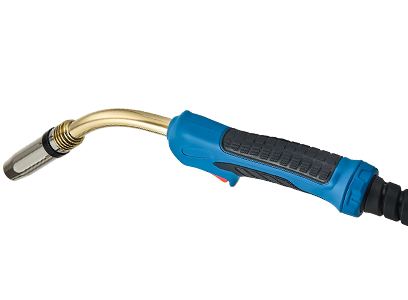
MIG (Metal Inert Gas) welding is a popular welding process known for its versatility and efficiency in joining metals. At the heart of this process is the MIG welding torch, a crucial tool that directs the welding wire and shielding gas to the workpiece. **Understanding the components and functions of a MIG welding torch** is essential for achieving high-quality welds. A typical MIG torch comprises the handle, neck, contact tip, nozzle, and gas diffuser. Each part plays a vital role, and recognizing their function can significantly impact your welding results.
Common Mistakes in MIG Welding
Despite its user-friendly nature, MIG welding is not without its challenges. Many welders, especially beginners, often fall prey to common mistakes that can lead to subpar welds, increased rework, and wasted materials. By identifying these pitfalls, we can implement effective strategies to improve our welding practices.
Mistake 1: Using the Wrong Torch for Your Project
Choosing the appropriate MIG welding torch is critical. **Using the wrong torch** can lead to inadequate heat transfer, inconsistent weld quality, and can even damage the torch itself. For example, a torch designed for thin materials may not provide sufficient heat for thicker metals, resulting in poor penetration. Conversely, using a heavy-duty torch on thin materials can cause burn-throughs.
**How to Avoid This Mistake:**
Always select a torch that is suited for the material thickness and type you are working with. Research the specifications of various torches, and consult with experienced welders or suppliers to determine the best fit for your specific application.
Mistake 2: Inadequate Gas Flow Settings
Shielding gas plays a crucial role in MIG welding, protecting the weld pool from atmospheric contamination. **Inadequate gas flow settings** can lead to porosity, contamination, and suboptimal weld quality. Too little gas will expose the weld to impurities, whereas too much gas can create turbulence, affecting the weld bead appearance.
**How to Avoid This Mistake:**
Follow the manufacturer’s recommendations for gas flow rates based on the specific welding wire and material. Regularly inspect gas flow meters and adjust settings as needed, ensuring consistent protection during the welding process.
Mistake 3: Ignoring the Type of Welding Wire
The choice of welding wire is fundamental to the success of any MIG welding project. **Using the wrong type of wire** can result in poor adhesion, excessive spatter, and ultimately a failed weld. Different projects require different wire compositions, diameters, and coatings.
**How to Avoid This Mistake:**
Familiarize yourself with the various types of MIG welding wires available—from ER70S-6 for general use to specialized wires for stainless steel or aluminum. Always match the wire type with the base material and application requirements to ensure optimal weld characteristics.
Mistake 4: Not Maintaining Your Torch Properly
Maintenance is often overlooked, yet it is vital for the longevity and performance of your MIG welding torch. **Neglecting routine maintenance** can lead to issues such as poor electrical conductivity, overheating, and even torch failure.
**How to Avoid This Mistake:**
Establish a regular maintenance schedule that includes cleaning the contact tip and nozzle, checking for wear and tear, and replacing parts as necessary. Keep spare tips and nozzles on hand to minimize downtime.
Mistake 5: Poor Heat Settings
Getting the heat settings right is critical for achieving a strong bond between the materials being joined. **Poor heat settings** can lead to undercutting, warping, or incomplete fusion.
**How to Avoid This Mistake:**
Adjust the voltage and amperage settings according to the thickness of the materials being welded. Conduct test welds on scrap materials to fine-tune settings before proceeding with the actual work.
Best Practices for MIG Welding Torches
To enhance your welding outcomes, adopting best practices is essential. Here are several recommendations to consider:
1. Invest in Quality Equipment
Opt for high-quality MIG welding torches and components. While initial costs may be higher, durable equipment leads to better performance and less frequent replacements.
2. Regularly Inspect Equipment
Conduct routine checks on your welding torch and associated equipment. Look for signs of wear, damage, or buildup that could hinder performance.
3. Use Correct Techniques
Familiarize yourself with proper welding techniques, such as maintaining a consistent travel speed and angle. This will improve your weld quality significantly.
4. Stay Informed
The welding industry constantly evolves with new technologies and techniques. Stay updated through workshops, online courses, and forums to continue improving your skills.
5. Practice Regularly
Like any skill, practice is key to mastery. Set aside time for regular welding practice, experimenting with different materials and settings to broaden your expertise.
Conclusion
MIG welding is a valuable skill that can yield remarkable results when executed correctly. By understanding common mistakes and implementing strategies to avoid them, welders can improve their craft significantly. Always prioritize selecting the right equipment, maintaining your tools, and applying best practices. As you hone your skills and knowledge, you’ll find that the quality of your welds will reflect your commitment to excellence in welding.
FAQs
1. What should I consider when choosing a MIG welding torch?
When selecting a MIG welding torch, consider the material thickness, type of welding wire, and the specific project requirements. Always consult the manufacturer’s specifications for guidance.
2. How often should I maintain my MIG welding torch?
Regular maintenance is key to optimal performance. Inspect your torch before each use and perform more thorough checks weekly or monthly, depending on usage frequency.
3. What gas should I use for MIG welding?
Typically, a mixture of argon and carbon dioxide is used for MIG welding mild steel. For stainless steel and aluminum, pure argon may be more appropriate.
4. Can I use a MIG welding torch for TIG welding?
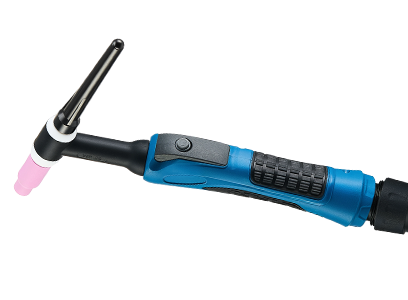
No, MIG welding torches and TIG welding torches are designed for different processes. Each system requires specific equipment tailored to its unique requirements.
5. How do I know if my welding settings are correct?
Conduct test welds on scrap material to evaluate the settings. Adjust the voltage and amperage based on the observed weld quality, aiming for smooth beads with minimal spatter.
TAG:
Related Posts
Enhancing Your Skills: Advanced Techniques for 250 Amp TIG Welding
Enhancing Your Skills: Advanced Techniques for 250 Amp TIG Welding
Table of Contents
1. Introduction to 250 Amp TIG Welding
2. Understanding TIG Welding: A Brief Overview
3. Essential Equipment for 250 Amp TIG Welding
4. Preparation Techniques: Setting Up for Success
5. Advanced Welding Techniques for Enhanced Performance
5.1 Mastering Control and Precisio

MESSAGES
We will contact you within one working day. Please pay attention to your email.
Qucik Link
Contact
WhatsApp: +8615833370366
E-mail: zhaoyiqian@hrwelding.cn
Address: No. 105 Yongming Street, Dahe Road, East of Renqiu City, Hebei, China