
Understanding the Anatomy of a MIG Welder's Swan Neck: A Comprehensive Guide
2025-05-01


Understanding the Anatomy of a MIG Welder's Swan Neck: A Comprehensive Guide
Table of Contents
1. Introduction to MIG Welding and the Swan Neck
2. What is a Swan Neck in MIG Welding?
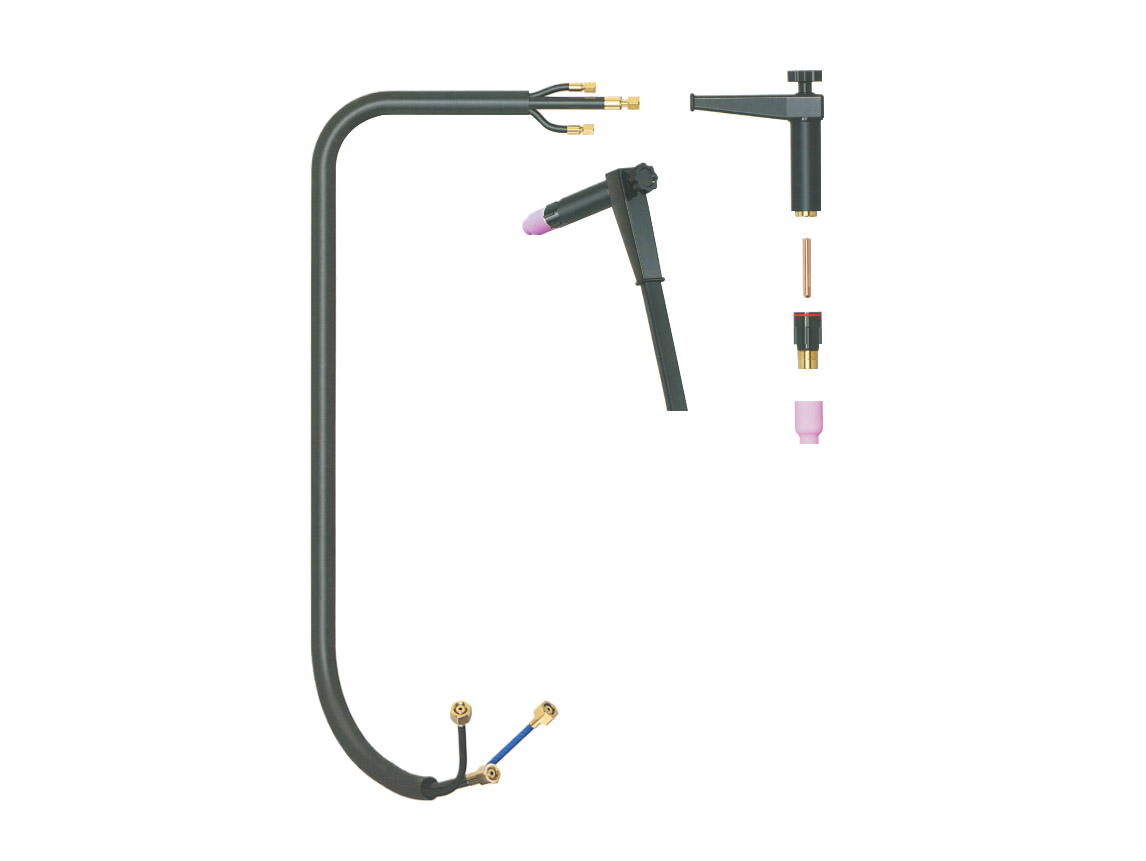
3. Key Components of the Swan Neck
3.1. The Welding Nozzle
3.2. The Contact Tip
3.3. The Gas Diffuser
3.4. The Cable Assembly
4. Funct
Understanding the Anatomy of a MIG Welder's Swan Neck: A Comprehensive Guide
Table of Contents
- 1. Introduction to MIG Welding and the Swan Neck
- 2. What is a Swan Neck in MIG Welding?
- 3. Key Components of the Swan Neck
- 4. Functionality of the Swan Neck
- 5. Importance of the Swan Neck in MIG Welding
- 6. Maintenance Tips for the Swan Neck
- 7. Common Problems and Troubleshooting
- 8. Conclusion
1. Introduction to MIG Welding and the Swan Neck
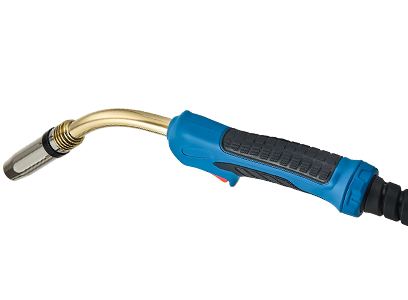
MIG welding, or Metal Inert Gas welding, is a widely used method in various industries due to its efficiency and versatility. The **swan neck** is a critical component of the MIG welding torch, serving as the conduit through which the welding wire and shielding gas flow, ensuring a consistent and stable arc of molten metal. In this article, we will explore the anatomy of the swan neck, its essential components, and how they contribute to effective MIG welding.
2. What is a Swan Neck in MIG Welding?
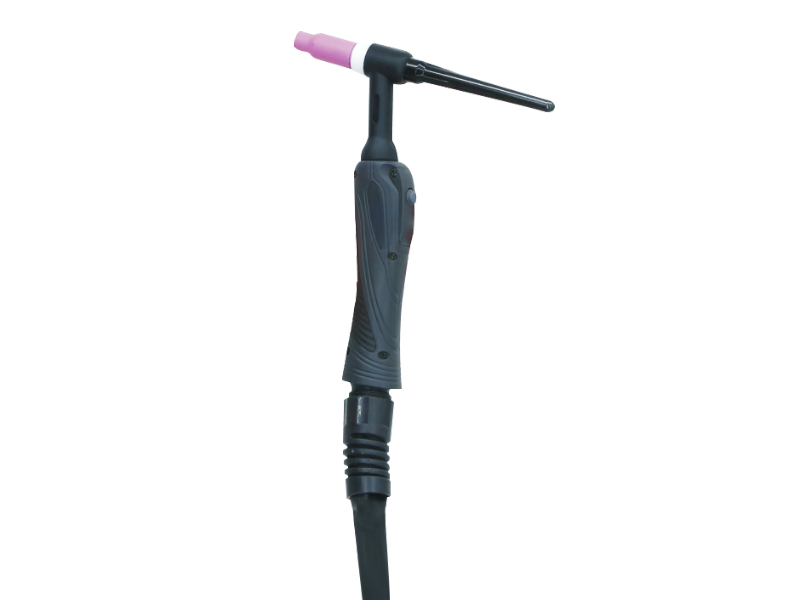
The **swan neck** refers to the curved section of the MIG welding torch that connects the handle to the nozzle. This design allows for better maneuverability and access to tight spaces, making it an essential feature for welders. Understanding the swan neck's anatomy is crucial for anyone looking to master MIG welding or troubleshoot welding issues effectively.
3. Key Components of the Swan Neck
To properly appreciate the swan neck's role in MIG welding, we must examine its core components.
3.1. The Welding Nozzle
The **welding nozzle** is the part that directs the flow of shielding gas and protects the welding area from contamination. It comes in various sizes, allowing for different bead widths, making it adaptable for various welding applications. Proper selection and maintenance of the nozzle are vital for maintaining a clean and effective welding environment.
3.2. The Contact Tip
The **contact tip** is responsible for conducting the electrical current to the welding wire. It is typically made of copper or a copper alloy, ensuring efficient conductivity and heat dissipation. Over time, contact tips can wear out or become damaged, leading to poor welding performance. Regular inspection and replacement are necessary to maintain optimal welding quality.
3.3. The Gas Diffuser
The **gas diffuser** plays a crucial role in managing the shielding gas flow. It helps to evenly distribute the gas around the weld pool, providing adequate protection from atmospheric contaminants. A properly functioning gas diffuser ensures that the shielding gas reaches the weld area effectively, which is essential for producing high-quality welds.
3.4. The Cable Assembly
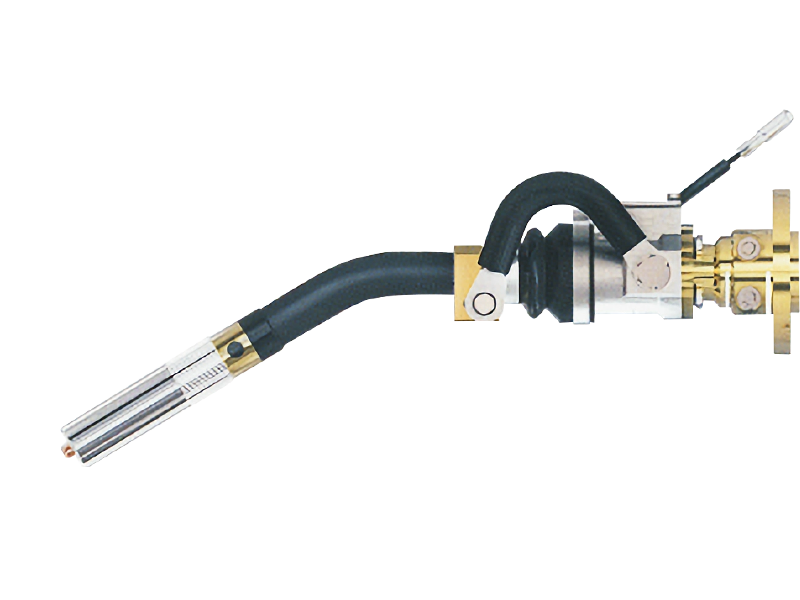
The **cable assembly** connects the swan neck to the welder, transmitting power and feeding the welding wire. It is designed to be flexible enough to allow for movement while maintaining a secure connection. Proper care of the cable assembly prevents electrical issues and ensures smooth operation during welding tasks.
4. Functionality of the Swan Neck
The swan neck's unique design allows welders to achieve a high degree of control over their welding arcs. Its flexibility offers the ability to access hard-to-reach areas, making it invaluable in intricate welding projects. The curvature aids in maneuvering the torch without compromising the quality of the weld, ensuring that welders can adapt to various positions and angles.
5. Importance of the Swan Neck in MIG Welding
The swan neck is integral to the overall performance of a MIG welder. Its design facilitates precision and control, factors that are essential in producing strong and consistent welds. A well-maintained swan neck contributes significantly to the efficiency of the welding process, reducing the risk of defects and rework.
6. Maintenance Tips for the Swan Neck
To ensure the longevity and efficiency of the swan neck, it is vital to implement a proper maintenance routine. Here are some tips:
1. **Regular Inspection**: Frequently check for wear and tear, especially on the nozzle and contact tip. Replace any worn components to avoid compromising the welding process.
2. **Cleaning**: Keep the nozzle and contact tip clean from spatter and contamination. Using a wire brush or appropriate cleaning tools can help maintain their integrity.
3. **Check Gas Flow**: Ensure that the gas diffuser is functioning correctly to achieve the appropriate flow of shielding gas, which is crucial for effective welds.
4. **Cable Care**: Inspect the cable assembly for any signs of damage, such as fraying or exposed wires. Replace any damaged cables to avoid electrical hazards and performance issues.
5. **Proper Storage**: When not in use, store the welder and its components in a dry, safe environment to prevent damage.
7. Common Problems and Troubleshooting
Understanding the common issues related to a swan neck can save time and improve welding quality. Here are some prevalent problems and their solutions:
- **Inconsistent Arc**: This could be due to a faulty contact tip or a gas flow issue. Check and replace the contact tip if necessary, and ensure the gas diffuser is not blocked.
- **Poor Gas Coverage**: If the welding area is contaminated, inspect the gas diffuser and the nozzle for blockages or damage. Cleaning or replacing these parts may resolve the issue.
- **Excess Spatter**: This often occurs due to incorrect settings or a dirty nozzle. Ensure that the welder is set to the correct voltage and wire feed speed, and clean or replace the nozzle to minimize spatter.
- **Wire Feed Problems**: If the welding wire is not feeding smoothly, check the cable assembly and the contact tip for any obstructions or damage.
8. Conclusion
Understanding the anatomy and functionality of a MIG welder's swan neck is crucial for anyone involved in welding. By familiarizing yourself with its components and maintenance practices, you can enhance your welding capabilities, ensuring high-quality results in every project. Investing time in learning about and caring for the swan neck will ultimately lead to improved efficiency, longevity, and less downtime in your welding endeavors. Whether you're a novice or a seasoned professional, mastering the intricacies of your equipment will pave the way for successful welding outcomes.
TAG:
Related Posts

Understanding TIG Torch Hoses: Essential Knowledge for Welders
TIG torch hoses are vital components in the welding process, particularly for tungsten inert gas (TIG) welding, which is known for its precision and versatility. These hoses transport the shielding gas, which is crucial for protecting the weld pool from atmospheric contamination. Understanding the specifications and maintenance of TIG torch hoses can significantly impact your welding efficiency an
MESSAGES
We will contact you within one working day. Please pay attention to your email.
Qucik Link
Contact
WhatsApp: +8615833370366
E-mail: zhaoyiqian@hrwelding.cn
Address: No. 105 Yongming Street, Dahe Road, East of Renqiu City, Hebei, China