
The Essential Guide to TIG Torch Hoses: Understanding Their Importance in Welding
2025-03-07


When it comes to TIG welding, the quality of your equipment is paramount to achieving precise and clean welds. One crucial component of TIG welding is the TIG torch hose, which plays a significant role in the overall performance of your welding setup. In this article, we will explore the importance of TIG torch hoses, the different types available, and essential maintenance tips to ensure longevit
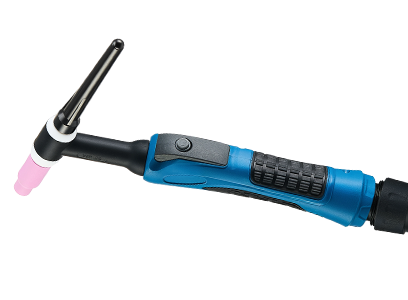
When it comes to TIG welding, the quality of your equipment is paramount to achieving precise and clean welds. One crucial component of TIG welding is the TIG torch hose, which plays a significant role in the overall performance of your welding setup. In this article, we will explore the importance of TIG torch hoses, the different types available, and essential maintenance tips to ensure longevity and efficiency.
A TIG torch hose is responsible for delivering shielding gas, such as argon, to the weld area. It is vital to select the right hose for your welding needs, as the hose's diameter and flexibility can affect gas flow and consequently, the quality of your welds. Typically, these hoses are made from high-quality rubber or thermoplastic materials, providing excellent resistance to heat and abrasion.
There are two main types of TIG torch hoses: standard hoses and those designed for high-frequency applications. Standard hoses are suitable for most conventional welding tasks, while high-frequency hoses are specifically engineered to endure the extra demands placed on them when using high-frequency start features. Choosing the appropriate hose type can help minimize issues such as gas leaks and pressure drops, leading to improved welding outcomes.
When selecting a TIG torch hose, it's also essential to consider the hose length. Longer hoses may provide greater flexibility in movement but can lead to a decrease in gas pressure. Therefore, it is advisable to strike a balance between length and performance, ensuring that your setup is both efficient and easy to maneuver.
To ensure your TIG torch hose remains in optimal condition, regular maintenance is key. Inspect the hose frequently for any signs of wear or damage, such as cracks or kinks. Replace any damaged sections immediately to prevent gas leaks and maintain performance. Additionally, keeping the hose clean and free from contaminants will help enhance gas flow and reduce the risk of weld defects.
Proper storage of your TIG torch hose is equally important. Avoid coiling the hose tightly, as this can lead to internal damage. Instead, store it loosely and away from extreme temperatures or harsh environments. By taking these precautions, you can extend the life of your hose and maintain its effectiveness in your welding projects.
In conclusion, the TIG torch hose is an essential element of any TIG welding setup, directly impacting the quality of your welds. By understanding the different types available and implementing effective maintenance practices, you can ensure that your welding equipment performs at its best. Whether you are a professional welder or just starting, investing time in selecting and caring for your TIG torch hose will pay dividends in the quality of your work.
A TIG torch hose is responsible for delivering shielding gas, such as argon, to the weld area. It is vital to select the right hose for your welding needs, as the hose's diameter and flexibility can affect gas flow and consequently, the quality of your welds. Typically, these hoses are made from high-quality rubber or thermoplastic materials, providing excellent resistance to heat and abrasion.
There are two main types of TIG torch hoses: standard hoses and those designed for high-frequency applications. Standard hoses are suitable for most conventional welding tasks, while high-frequency hoses are specifically engineered to endure the extra demands placed on them when using high-frequency start features. Choosing the appropriate hose type can help minimize issues such as gas leaks and pressure drops, leading to improved welding outcomes.
When selecting a TIG torch hose, it's also essential to consider the hose length. Longer hoses may provide greater flexibility in movement but can lead to a decrease in gas pressure. Therefore, it is advisable to strike a balance between length and performance, ensuring that your setup is both efficient and easy to maneuver.
To ensure your TIG torch hose remains in optimal condition, regular maintenance is key. Inspect the hose frequently for any signs of wear or damage, such as cracks or kinks. Replace any damaged sections immediately to prevent gas leaks and maintain performance. Additionally, keeping the hose clean and free from contaminants will help enhance gas flow and reduce the risk of weld defects.
Proper storage of your TIG torch hose is equally important. Avoid coiling the hose tightly, as this can lead to internal damage. Instead, store it loosely and away from extreme temperatures or harsh environments. By taking these precautions, you can extend the life of your hose and maintain its effectiveness in your welding projects.
In conclusion, the TIG torch hose is an essential element of any TIG welding setup, directly impacting the quality of your welds. By understanding the different types available and implementing effective maintenance practices, you can ensure that your welding equipment performs at its best. Whether you are a professional welder or just starting, investing time in selecting and caring for your TIG torch hose will pay dividends in the quality of your work.
TAG:
Related Posts
Enhancing Your Skills: Advanced Techniques for 250 Amp TIG Welding
Enhancing Your Skills: Advanced Techniques for 250 Amp TIG Welding
Table of Contents
1. Introduction to 250 Amp TIG Welding
2. Understanding TIG Welding: A Brief Overview
3. Essential Equipment for 250 Amp TIG Welding
4. Preparation Techniques: Setting Up for Success
5. Advanced Welding Techniques for Enhanced Performance
5.1 Mastering Control and Precisio

MESSAGES
We will contact you within one working day. Please pay attention to your email.
Qucik Link
Contact
WhatsApp: +8615833370366
E-mail: zhaoyiqian@hrwelding.cn
Address: No. 105 Yongming Street, Dahe Road, East of Renqiu City, Hebei, China