
Essential Equipment for MIG Welding: A Comprehensive Guide
2025-02-25


MIG welding, or Metal Inert Gas welding, is a popular welding process known for its versatility and ease of use. To achieve high-quality welds and ensure safety during operations, having the right equipment is essential. The following are key components and tools you’ll need to consider when preparing for MIG welding.
1. **MIG Welding Machine**: The heart of any MIG welding setup is the welding ma
MIG welding, or Metal Inert Gas welding, is a popular welding process known for its versatility and ease of use. To achieve high-quality welds and ensure safety during operations, having the right equipment is essential. The following are key components and tools you’ll need to consider when preparing for MIG welding.
1. **MIG Welding Machine**: The heart of any MIG welding setup is the welding machine itself. It operates by feeding a continuous solid wire electrode through a welding gun, which melts and fuses the metal pieces together. When selecting a MIG welder, it's essential to choose one that suits your project's thickness and material type.
2. **Welding Wire**: Selecting the appropriate welding wire is crucial. Common choices include ER70S-6 for carbon steel and ER4047 for aluminum. The diameter of the wire affects the welding process; thinner wires are ideal for smaller projects, while thicker wires are used for larger joints.
3. **Shielding Gas**: In MIG welding, shielding gas protects the weld pool from contamination. The most common gas used is a mix of argon and carbon dioxide, which provides excellent weld quality. Understanding the correct gas flow rate is important for achieving the desired results.
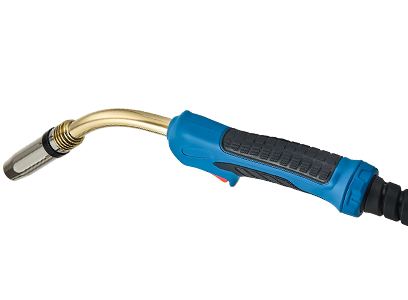
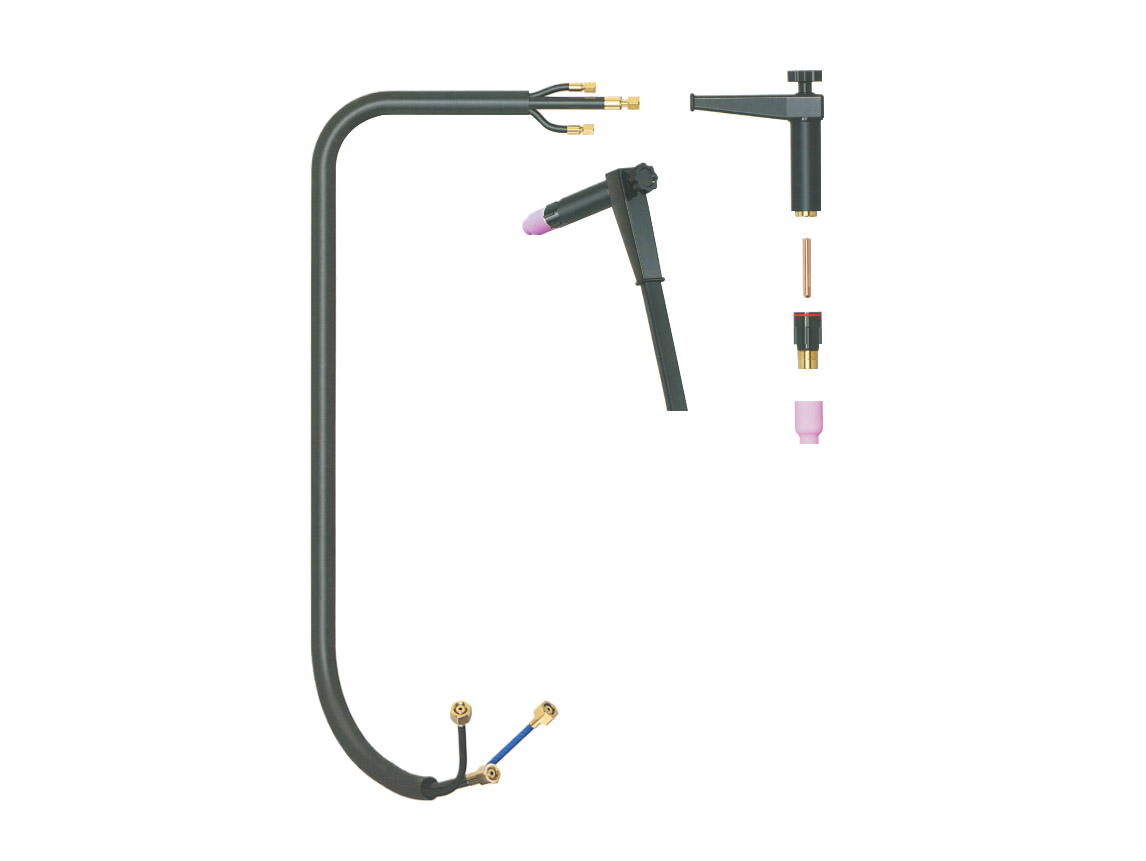
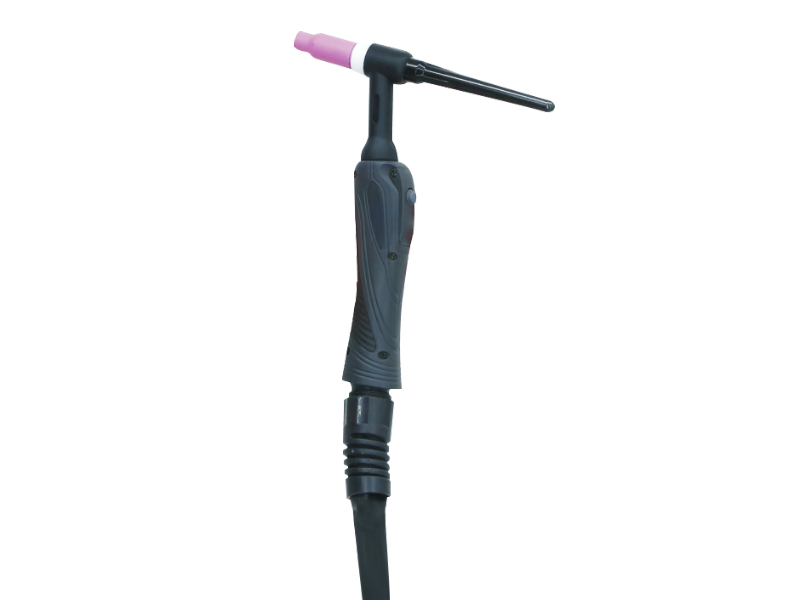
4. **Welding Gun**: A high-quality welding gun allows for better control during the welding process. Look for one that offers adjustable settings for wire feed speed and voltage, as this will enhance your ability to manage different welding tasks.
5. **Protective Gear**: Safety should always be prioritized. Essential protective equipment includes a welding helmet with the appropriate shade, gloves, and flame-resistant clothing. This gear protects you from sparks, UV radiation, and heat during welding.
6. **Clamps and Fixtures**: Properly securing workpieces is crucial for creating straight and accurate welds. Using clamps or fixtures can help hold pieces in place and prevent unwanted movement during the welding process.
7. **Wire Feed Roller and Contact Tips**: These components work together to feed the welding wire smoothly into the welding gun. Ensure that the roller and tips are compatible with the wire diameter you are using to avoid feed issues.
8. **Cleaning Tools**: Post-welding, it's essential to clean the welds to remove slag and contaminants. Tools such as wire brushes, grinders, and chemical cleaners can help achieve a smooth and clean finish.
In conclusion, having the right equipment for MIG welding is fundamental to achieving high-quality results and ensuring safety. Understanding and investing in these essential tools will not only enhance your welding skills but also contribute to the efficiency of your welding projects. Whether you're a novice or a seasoned professional, equipping yourself with the proper MIG welding equipment is key to success in your welding endeavors.
1. **MIG Welding Machine**: The heart of any MIG welding setup is the welding machine itself. It operates by feeding a continuous solid wire electrode through a welding gun, which melts and fuses the metal pieces together. When selecting a MIG welder, it's essential to choose one that suits your project's thickness and material type.
2. **Welding Wire**: Selecting the appropriate welding wire is crucial. Common choices include ER70S-6 for carbon steel and ER4047 for aluminum. The diameter of the wire affects the welding process; thinner wires are ideal for smaller projects, while thicker wires are used for larger joints.
3. **Shielding Gas**: In MIG welding, shielding gas protects the weld pool from contamination. The most common gas used is a mix of argon and carbon dioxide, which provides excellent weld quality. Understanding the correct gas flow rate is important for achieving the desired results.
4. **Welding Gun**: A high-quality welding gun allows for better control during the welding process. Look for one that offers adjustable settings for wire feed speed and voltage, as this will enhance your ability to manage different welding tasks.
5. **Protective Gear**: Safety should always be prioritized. Essential protective equipment includes a welding helmet with the appropriate shade, gloves, and flame-resistant clothing. This gear protects you from sparks, UV radiation, and heat during welding.
6. **Clamps and Fixtures**: Properly securing workpieces is crucial for creating straight and accurate welds. Using clamps or fixtures can help hold pieces in place and prevent unwanted movement during the welding process.
7. **Wire Feed Roller and Contact Tips**: These components work together to feed the welding wire smoothly into the welding gun. Ensure that the roller and tips are compatible with the wire diameter you are using to avoid feed issues.
8. **Cleaning Tools**: Post-welding, it's essential to clean the welds to remove slag and contaminants. Tools such as wire brushes, grinders, and chemical cleaners can help achieve a smooth and clean finish.
In conclusion, having the right equipment for MIG welding is fundamental to achieving high-quality results and ensuring safety. Understanding and investing in these essential tools will not only enhance your welding skills but also contribute to the efficiency of your welding projects. Whether you're a novice or a seasoned professional, equipping yourself with the proper MIG welding equipment is key to success in your welding endeavors.
TAG:
Related Posts

Understanding TIG Torch Hoses: Essential Knowledge for Welders
TIG torch hoses are vital components in the welding process, particularly for tungsten inert gas (TIG) welding, which is known for its precision and versatility. These hoses transport the shielding gas, which is crucial for protecting the weld pool from atmospheric contamination. Understanding the specifications and maintenance of TIG torch hoses can significantly impact your welding efficiency an
MESSAGES
We will contact you within one working day. Please pay attention to your email.
Qucik Link
Contact
WhatsApp: +8615833370366
E-mail: zhaoyiqian@hrwelding.cn
Address: No. 105 Yongming Street, Dahe Road, East of Renqiu City, Hebei, China