
Essential Equipment for MIG Welding: A Comprehensive Guide
2025-02-23


MIG (Metal Inert Gas) welding is a widely used welding process due to its versatility and efficiency. To achieve successful welds, it's essential to have the right equipment. Below is a detailed overview of the equipment needed for MIG welding, including key components and their functions.
1. **MIG Welding Machine**: The cornerstone of any MIG welding setup is the welding machine itself. These mac
MIG (Metal Inert Gas) welding is a widely used welding process due to its versatility and efficiency. To achieve successful welds, it's essential to have the right equipment. Below is a detailed overview of the equipment needed for MIG welding, including key components and their functions.
1. **MIG Welding Machine**: The cornerstone of any MIG welding setup is the welding machine itself. These machines provide the necessary amperage and voltage for effective welding. When choosing a MIG welder, consider the thickness of the materials you'll be working with, as different machines are suited for various metal gauges.
2. **Welding Wire**: MIG welding utilizes a continuous wire feed. The type of wire you select (solid or flux-cored) will depend on your application. Solid wire is commonly used with a shielding gas, while flux-cored wire can be used without gas, making it ideal for outdoor projects.
3. **Shielding Gas**: Proper shielding is critical in MIG welding to protect the weld pool from atmospheric contamination. Common gases used include argon, carbon dioxide, or a mixture of both. The choice of gas can influence the quality and characteristics of the weld.
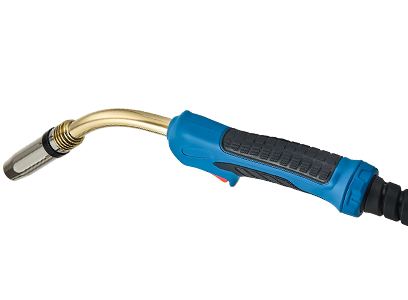
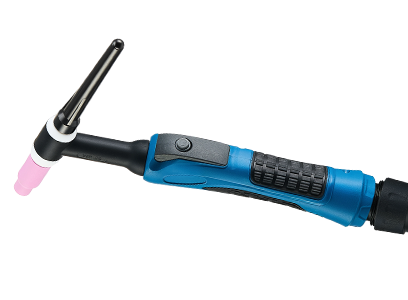
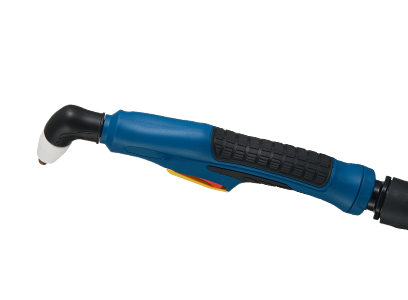
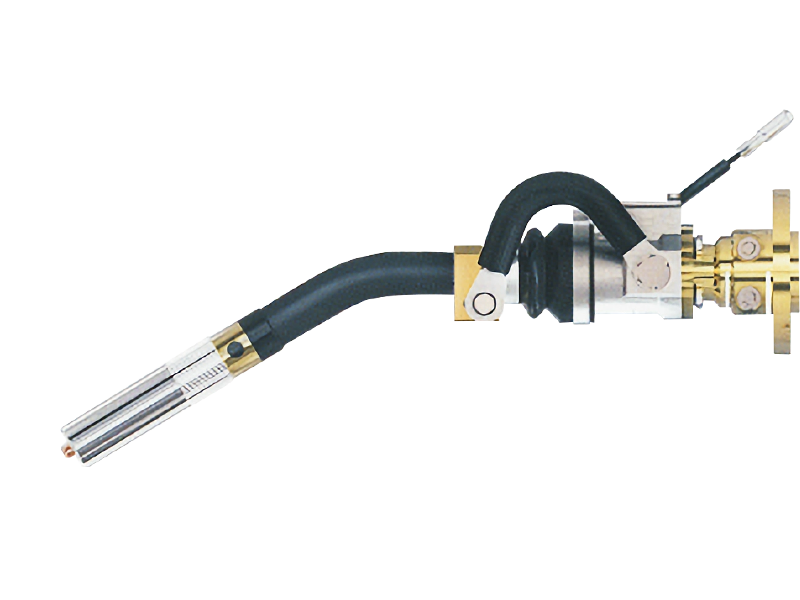
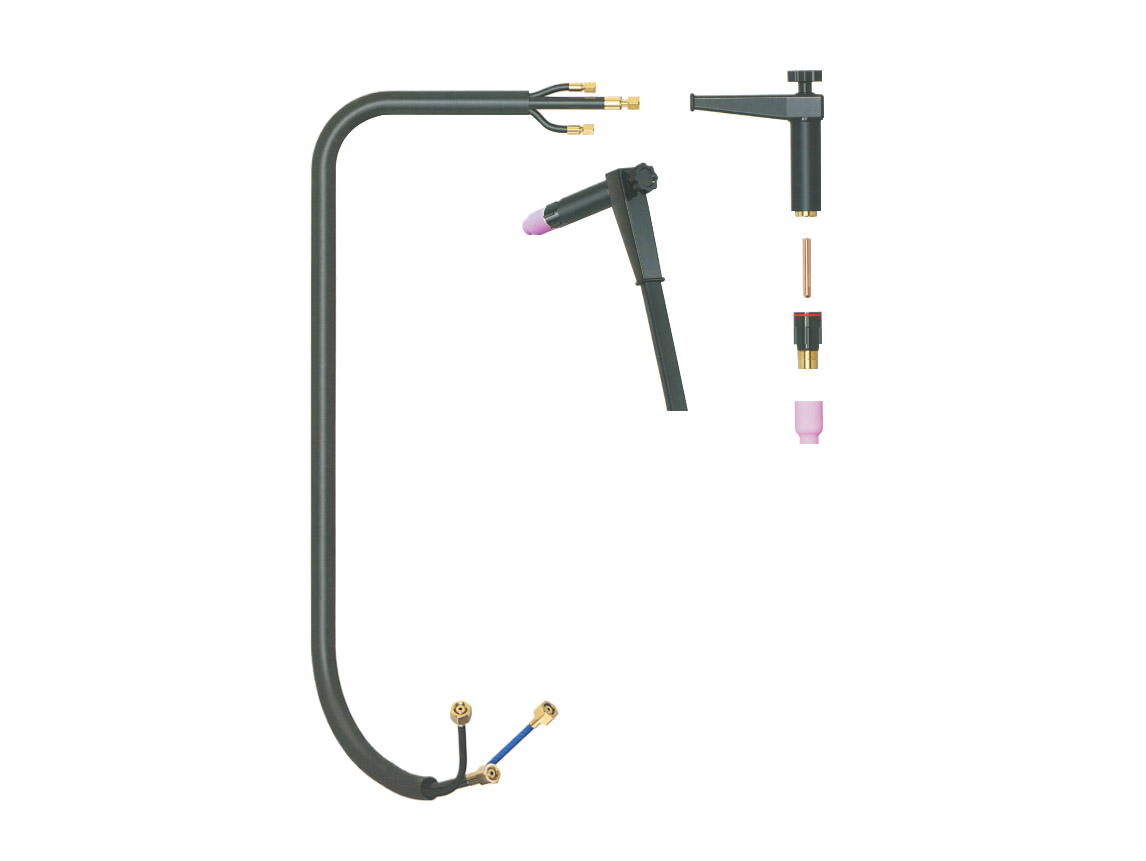
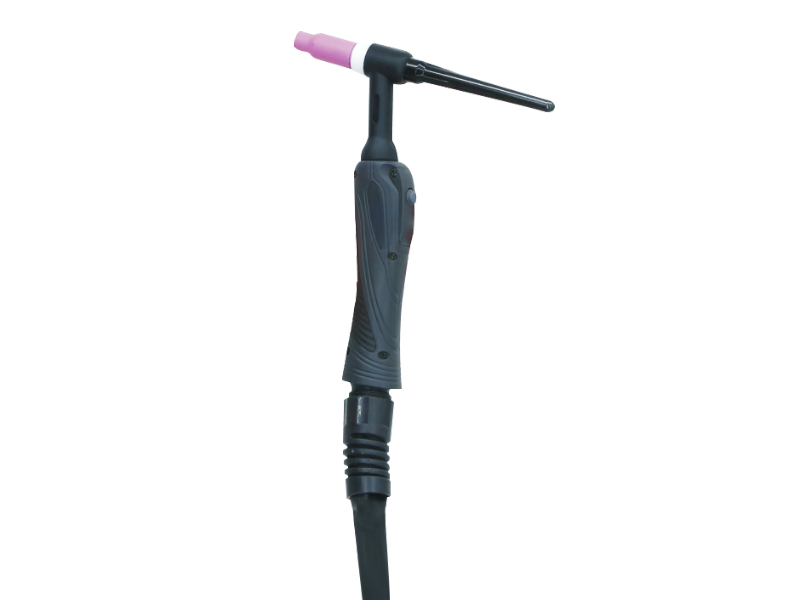
4. **Welding Torch**: The welding torch, or gun, is where the welding wire is fed through. It's important to select a quality torch that is comfortable to handle, as this will affect your control and precision during welding. Ensure the torch is compatible with your welding machine.
5. **Contact Tips and Nozzles**: These components are essential for directing the shielding gas and ensuring proper wire feed. Regularly check these parts for wear and replace them as necessary to maintain optimal performance.
6. **Ground Clamp**: A reliable ground clamp is vital for completing the electrical circuit during welding. Ensure that it makes good contact with the workpiece to avoid poor arc stability or incomplete welds.
7. **Protective Gear**: Safety should always be a priority. Proper protective gear—including a welding helmet with appropriate lens shade, gloves, and flame-resistant clothing—will protect you from sparks, UV radiation, and heat.
8. **Cleaning Tools**: Before starting a welding project, ensure that the metal surfaces are clean and free of rust, paint, or contaminants. Wire brushes, grinders, or chemical cleaners can be used to prepare your workpieces effectively.
9. **Welding Cart**: To keep your workspace organized and mobile, consider investing in a welding cart. This will help you transport your welding machine and accessories easily, creating a more efficient working environment.
In summary, understanding the essential equipment needed for MIG welding can significantly impact your welding efficiency and quality. From the welding machine and wire to protective gear, each component plays a crucial role in the MIG welding process. By equipping yourself with the right tools and knowledge, you’ll be well-prepared to tackle any welding task with confidence.
1. **MIG Welding Machine**: The cornerstone of any MIG welding setup is the welding machine itself. These machines provide the necessary amperage and voltage for effective welding. When choosing a MIG welder, consider the thickness of the materials you'll be working with, as different machines are suited for various metal gauges.
2. **Welding Wire**: MIG welding utilizes a continuous wire feed. The type of wire you select (solid or flux-cored) will depend on your application. Solid wire is commonly used with a shielding gas, while flux-cored wire can be used without gas, making it ideal for outdoor projects.
3. **Shielding Gas**: Proper shielding is critical in MIG welding to protect the weld pool from atmospheric contamination. Common gases used include argon, carbon dioxide, or a mixture of both. The choice of gas can influence the quality and characteristics of the weld.
4. **Welding Torch**: The welding torch, or gun, is where the welding wire is fed through. It's important to select a quality torch that is comfortable to handle, as this will affect your control and precision during welding. Ensure the torch is compatible with your welding machine.
5. **Contact Tips and Nozzles**: These components are essential for directing the shielding gas and ensuring proper wire feed. Regularly check these parts for wear and replace them as necessary to maintain optimal performance.
6. **Ground Clamp**: A reliable ground clamp is vital for completing the electrical circuit during welding. Ensure that it makes good contact with the workpiece to avoid poor arc stability or incomplete welds.
7. **Protective Gear**: Safety should always be a priority. Proper protective gear—including a welding helmet with appropriate lens shade, gloves, and flame-resistant clothing—will protect you from sparks, UV radiation, and heat.
8. **Cleaning Tools**: Before starting a welding project, ensure that the metal surfaces are clean and free of rust, paint, or contaminants. Wire brushes, grinders, or chemical cleaners can be used to prepare your workpieces effectively.
9. **Welding Cart**: To keep your workspace organized and mobile, consider investing in a welding cart. This will help you transport your welding machine and accessories easily, creating a more efficient working environment.
In summary, understanding the essential equipment needed for MIG welding can significantly impact your welding efficiency and quality. From the welding machine and wire to protective gear, each component plays a crucial role in the MIG welding process. By equipping yourself with the right tools and knowledge, you’ll be well-prepared to tackle any welding task with confidence.
TAG:
Related Posts

Understanding TIG Torch Hoses: Essential Knowledge for Welders
TIG torch hoses are vital components in the welding process, particularly for tungsten inert gas (TIG) welding, which is known for its precision and versatility. These hoses transport the shielding gas, which is crucial for protecting the weld pool from atmospheric contamination. Understanding the specifications and maintenance of TIG torch hoses can significantly impact your welding efficiency an
MESSAGES
We will contact you within one working day. Please pay attention to your email.
Qucik Link
Contact
WhatsApp: +8615833370366
E-mail: zhaoyiqian@hrwelding.cn
Address: No. 105 Yongming Street, Dahe Road, East of Renqiu City, Hebei, China