
The Essential Guide to TIG Torch Hoses: Understanding and Choosing the Right One for Your Welding Needs
2025-02-15


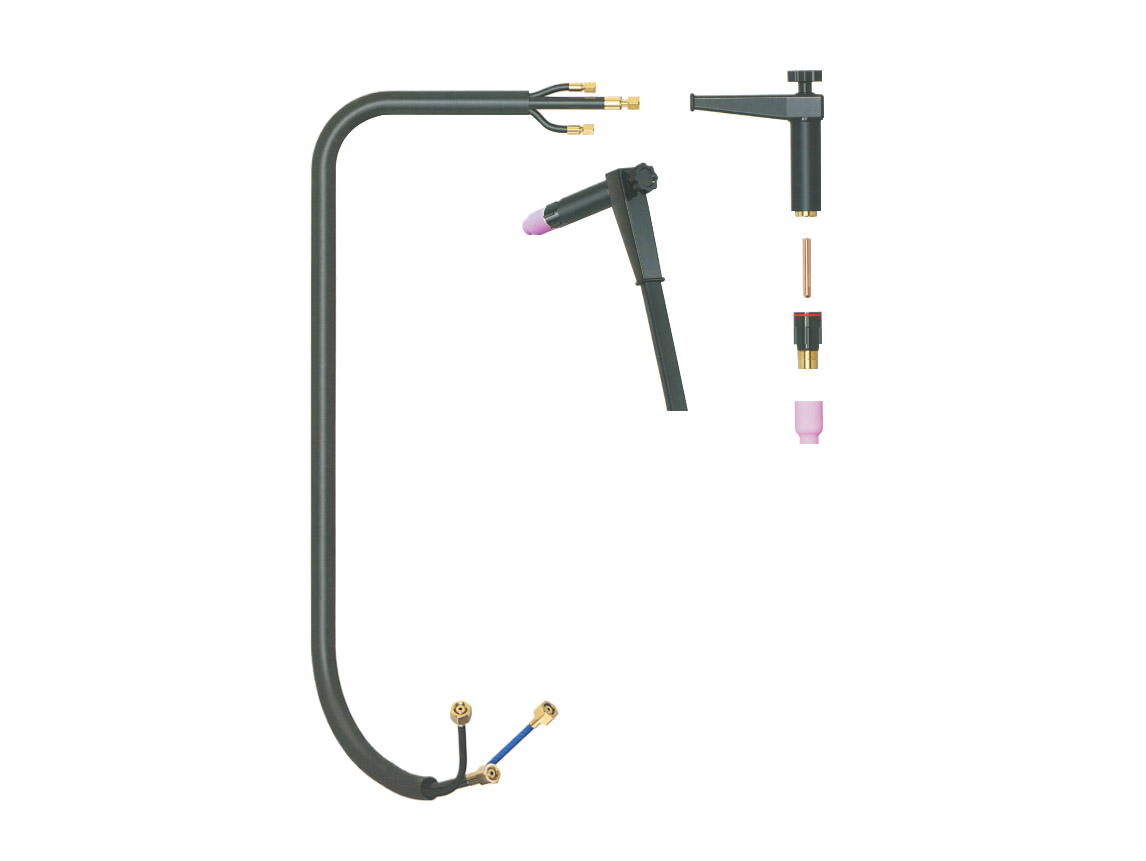
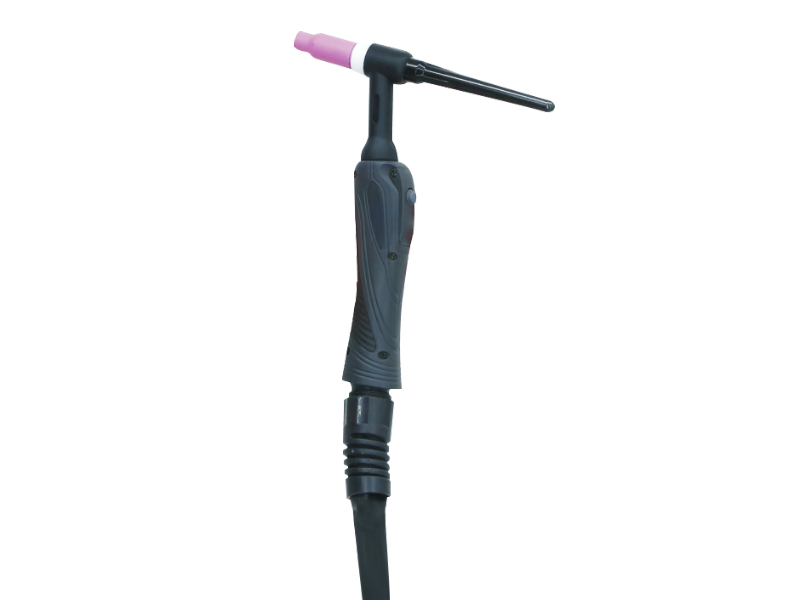
When it comes to TIG (Tungsten Inert Gas) welding, the torch is an essential component, but equally important is the TIG torch hose that connects it to the gas supply and the power source. Understanding the features and functions of TIG torch hoses can significantly impact the efficiency and safety of your welding operations.
TIG torch hoses are primarily designed to deliver shielding gas to the
When it comes to TIG (Tungsten Inert Gas) welding, the torch is an essential component, but equally important is the TIG torch hose that connects it to the gas supply and the power source. Understanding the features and functions of TIG torch hoses can significantly impact the efficiency and safety of your welding operations.
TIG torch hoses are primarily designed to deliver shielding gas to the welding area, which protects the weld pool from atmospheric contamination. Typically, these hoses are made from high-quality materials that can withstand the heat and pressure generated during the welding process. A well-constructed hose is not only durable but also flexible, allowing for ease of movement and positioning during welding tasks.
One of the key considerations when selecting a TIG torch hose is its compatibility with various gases, most commonly argon or helium. It's vital to ensure that the hose is rated for the specific gas you will be using, as using an incompatible hose could lead to leaks or other hazardous situations. Additionally, pay attention to the hose's temperature rating; it should be able to handle the heat generated during welding without degrading.
Another important aspect to consider is the length of the hose. A longer hose provides greater mobility but may lead to a drop in gas pressure, affecting the quality of the weld. Conversely, a shorter hose can ensure better gas flow but may restrict movement. Therefore, it is crucial to find a balance that meets your operational needs without compromising performance.
Moreover, the diameter of the hose also plays a significant role in gas flow and pressure. A larger diameter hose can deliver a higher flow rate, which may be necessary for specific types of welding applications. However, a wider hose may also be less flexible, leading to challenges in maneuverability.
Maintenance of TIG torch hoses is essential for ensuring longevity and safety. Regularly inspect hoses for signs of wear, abrasion, or leaks, and replace them promptly if any issues arise. Proper storage when not in use, such as coiling without kinks or sharp bends, can also prolong the lifespan of the hose.
In summary, understanding the various factors related to TIG torch hoses, including material, compatibility, length, diameter, and maintenance, is crucial for professionals involved in welding applications. By investing time in selecting the right hose, you can enhance the efficiency and safety of your welding operations, contributing to higher quality results in your projects.
TIG torch hoses are primarily designed to deliver shielding gas to the welding area, which protects the weld pool from atmospheric contamination. Typically, these hoses are made from high-quality materials that can withstand the heat and pressure generated during the welding process. A well-constructed hose is not only durable but also flexible, allowing for ease of movement and positioning during welding tasks.
One of the key considerations when selecting a TIG torch hose is its compatibility with various gases, most commonly argon or helium. It's vital to ensure that the hose is rated for the specific gas you will be using, as using an incompatible hose could lead to leaks or other hazardous situations. Additionally, pay attention to the hose's temperature rating; it should be able to handle the heat generated during welding without degrading.
Another important aspect to consider is the length of the hose. A longer hose provides greater mobility but may lead to a drop in gas pressure, affecting the quality of the weld. Conversely, a shorter hose can ensure better gas flow but may restrict movement. Therefore, it is crucial to find a balance that meets your operational needs without compromising performance.
Moreover, the diameter of the hose also plays a significant role in gas flow and pressure. A larger diameter hose can deliver a higher flow rate, which may be necessary for specific types of welding applications. However, a wider hose may also be less flexible, leading to challenges in maneuverability.
Maintenance of TIG torch hoses is essential for ensuring longevity and safety. Regularly inspect hoses for signs of wear, abrasion, or leaks, and replace them promptly if any issues arise. Proper storage when not in use, such as coiling without kinks or sharp bends, can also prolong the lifespan of the hose.
In summary, understanding the various factors related to TIG torch hoses, including material, compatibility, length, diameter, and maintenance, is crucial for professionals involved in welding applications. By investing time in selecting the right hose, you can enhance the efficiency and safety of your welding operations, contributing to higher quality results in your projects.
TAG:
Related Posts

Understanding TIG Torch Hoses: Essential Knowledge for Welders
TIG torch hoses are vital components in the welding process, particularly for tungsten inert gas (TIG) welding, which is known for its precision and versatility. These hoses transport the shielding gas, which is crucial for protecting the weld pool from atmospheric contamination. Understanding the specifications and maintenance of TIG torch hoses can significantly impact your welding efficiency an
MESSAGES
We will contact you within one working day. Please pay attention to your email.
Qucik Link
Contact
WhatsApp: +8615833370366
E-mail: zhaoyiqian@hrwelding.cn
Address: No. 105 Yongming Street, Dahe Road, East of Renqiu City, Hebei, China