
Essential Equipment for MIG Welding: A Comprehensive Guide
2026-09-04


When it comes to MIG welding, having the right equipment is crucial for achieving optimal results. This process, known for its versatility and ease of use, demands specific tools and accessories to ensure not only effective welding but also safe working conditions. Here’s a breakdown of the key equipment needed for MIG welding.
**1. MIG Welding Machine**: The centerpiece of your setup, a MIG weldi
When it comes to MIG welding, having the right equipment is crucial for achieving optimal results. This process, known for its versatility and ease of use, demands specific tools and accessories to ensure not only effective welding but also safe working conditions. Here’s a breakdown of the key equipment needed for MIG welding.
**1. MIG Welding Machine**: The centerpiece of your setup, a MIG welding machine is designed to feed a continuous wire electrode and shielding gas to the weld joint. Selecting a machine that suits your project requirements in terms of power and duty cycle can greatly influence your welding efficiency and quality.
**2. Welding Wire**: The choice of welding wire is significant; it should match the material being welded and the thickness of the base metal. Common wire types include ER70S-6 for carbon steel and ER4047 for aluminum. Always ensure the wire diameter is compatible with your welding machine.
**3. Shielding Gas**: MIG welding typically uses a shielding gas to protect the weld from atmospheric contamination. The most common gases include a mix of argon and carbon dioxide, which helps in producing a stable arc and clean welds. The type and flow rate of gas will depend on the material and thickness being welded.
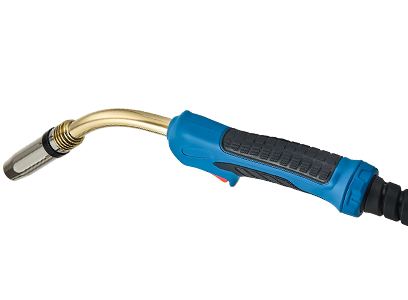
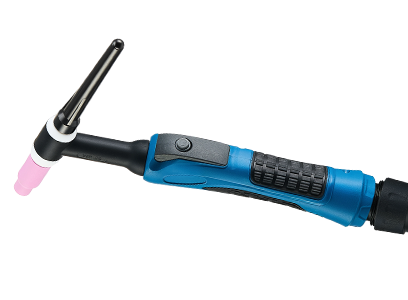
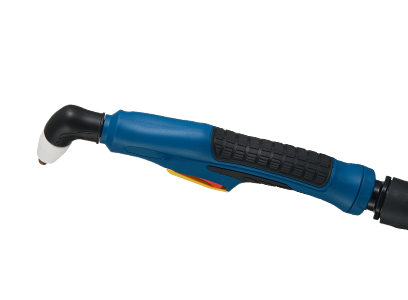
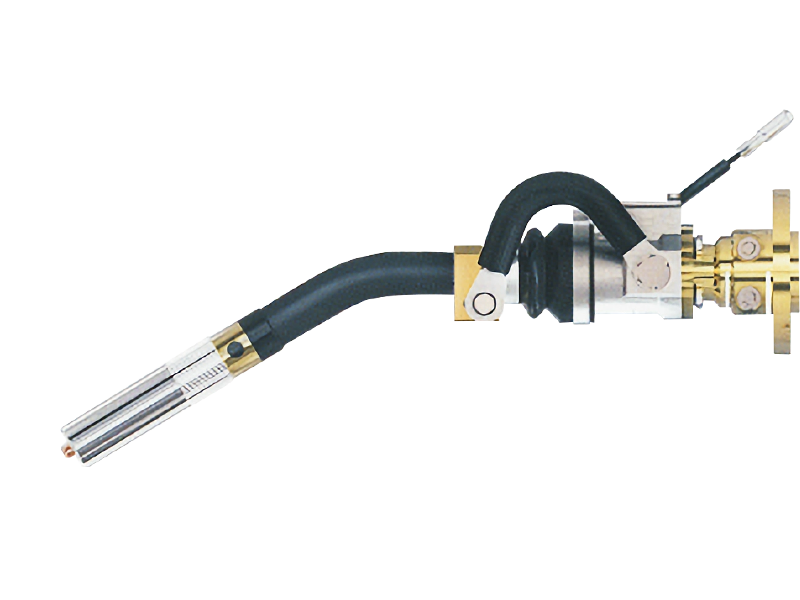
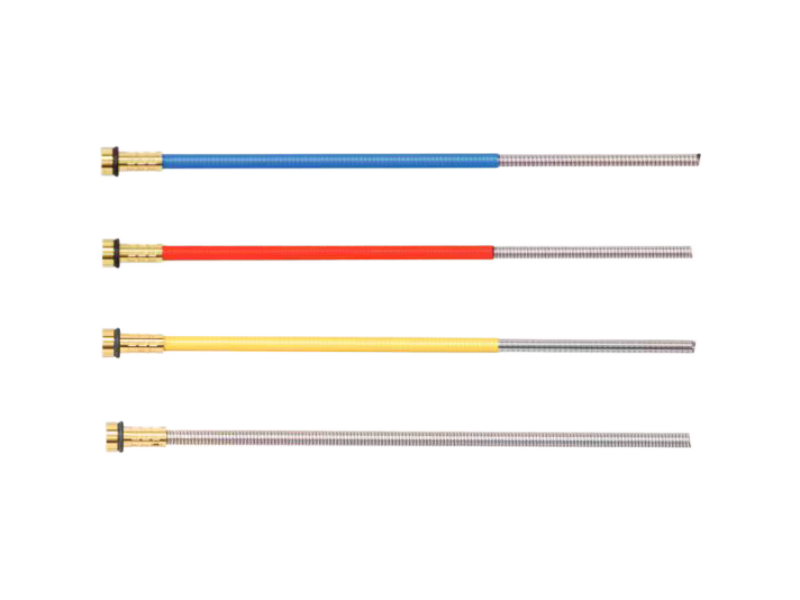
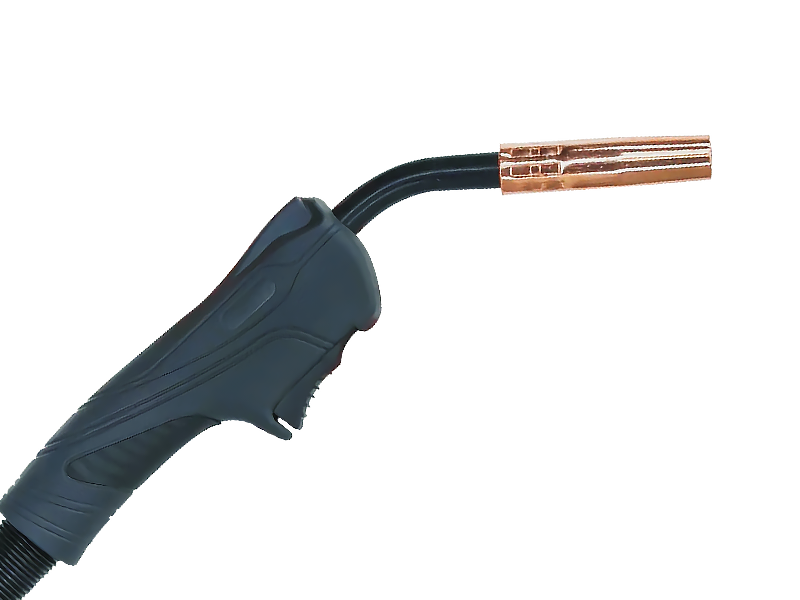
**4. Welding Torch**: A suitable welding torch is essential for directing the welding wire and shielding gas onto the weld joint. Look for torches that offer good ergonomics, durability, and adaptability to different wire sizes. Make sure to have the appropriate contact tips and liners for your specific wire diameter.
**5. Protective Gear**: Safety should always be a priority in welding. Essential protective gear includes a welding helmet with appropriate shading, gloves, and flame-resistant clothing. These items protect against UV radiation, sparks, and heat, ensuring a safe working environment.
**6. Work Surface**: A stable and suitable work surface is crucial for effective MIG welding. Use a sturdy welding table that can hold the workpieces securely and resist heat. Additionally, ensure that your workspace is well-ventilated to avoid the accumulation of harmful fumes.
**7. Clamping Tools**: To achieve accurate and clean welds, clamping tools are necessary to hold the workpieces in place. This not only improves the precision of the weld but also enhances safety by preventing movement during the welding process.
In conclusion, ensuring you have the right equipment for MIG welding can significantly impact your efficiency and the quality of your work. Investing in high-quality machines, materials, and protective gear, along with maintaining a safe workspace, allows professionals to excel in their welding projects. Always remember to prioritize safety and comfort while you weld.
**1. MIG Welding Machine**: The centerpiece of your setup, a MIG welding machine is designed to feed a continuous wire electrode and shielding gas to the weld joint. Selecting a machine that suits your project requirements in terms of power and duty cycle can greatly influence your welding efficiency and quality.
**2. Welding Wire**: The choice of welding wire is significant; it should match the material being welded and the thickness of the base metal. Common wire types include ER70S-6 for carbon steel and ER4047 for aluminum. Always ensure the wire diameter is compatible with your welding machine.
**3. Shielding Gas**: MIG welding typically uses a shielding gas to protect the weld from atmospheric contamination. The most common gases include a mix of argon and carbon dioxide, which helps in producing a stable arc and clean welds. The type and flow rate of gas will depend on the material and thickness being welded.
**4. Welding Torch**: A suitable welding torch is essential for directing the welding wire and shielding gas onto the weld joint. Look for torches that offer good ergonomics, durability, and adaptability to different wire sizes. Make sure to have the appropriate contact tips and liners for your specific wire diameter.
**5. Protective Gear**: Safety should always be a priority in welding. Essential protective gear includes a welding helmet with appropriate shading, gloves, and flame-resistant clothing. These items protect against UV radiation, sparks, and heat, ensuring a safe working environment.
**6. Work Surface**: A stable and suitable work surface is crucial for effective MIG welding. Use a sturdy welding table that can hold the workpieces securely and resist heat. Additionally, ensure that your workspace is well-ventilated to avoid the accumulation of harmful fumes.
**7. Clamping Tools**: To achieve accurate and clean welds, clamping tools are necessary to hold the workpieces in place. This not only improves the precision of the weld but also enhances safety by preventing movement during the welding process.
In conclusion, ensuring you have the right equipment for MIG welding can significantly impact your efficiency and the quality of your work. Investing in high-quality machines, materials, and protective gear, along with maintaining a safe workspace, allows professionals to excel in their welding projects. Always remember to prioritize safety and comfort while you weld.
TAG:
Previous
Related Posts

Essential Equipment for MIG Welding: A Comprehensive Guide
When it comes to MIG welding, having the right equipment is crucial for achieving optimal results. This process, known for its versatility and ease of use, demands specific tools and accessories to ensure not only effective welding but also safe working conditions. Here’s a breakdown of the key equipment needed for MIG welding.
**1. MIG Welding Machine**: The centerpiece of your setup, a MIG weldi

MESSAGES
We will contact you within one working day. Please pay attention to your email.
Qucik Link
Contact
WhatsApp: +8615833370366
E-mail: zhaoyiqian@hrwelding.cn
Address: No. 105 Yongming Street, Dahe Road, East of Renqiu City, Hebei, China