
Enhance Your MIG Welding Experience: Essential Accessories for Optimal Performance
2026-09-01


Upgrade Your MIG Welding Setup with These Accessories
Table of Contents
Introduction to MIG Welding and Its Importance
Understanding MIG Welding: A Comprehensive Overview
Essential Accessories for Your MIG Welding Setup
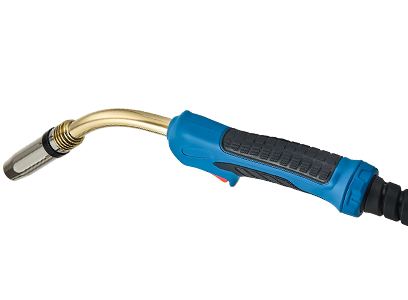
1. MIG Welding Gun: Your Primary Tool
2. Contact Tips: Ensuring Optimal Performance
3. Nozzles: Focusing the Shielding Gas
Upgrade Your MIG Welding Setup with These Accessories
Table of Contents
- Introduction to MIG Welding and Its Importance
- Understanding MIG Welding: A Comprehensive Overview
- Essential Accessories for Your MIG Welding Setup
- 1. MIG Welding Gun: Your Primary Tool
- 2. Contact Tips: Ensuring Optimal Performance
- 3. Nozzles: Focusing the Shielding Gas
- 4. Welding Gun Liners: Smooth Wire Feeding
- 5. Ground Clamp: Safety and Efficiency
- 6. MIG Welding Wire: Choosing the Right Type
- 7. Shielding Gas: Protecting Your Welds
- 8. Accessory Kits: Comprehensive Solutions
- Benefits of Upgrading Your MIG Welding Accessories
- Common MIG Welding Issues and Their Solutions
- MIG Welding Maintenance Tips for Longevity
- Frequently Asked Questions
- Conclusion: Elevate Your Welding Skills
Introduction to MIG Welding and Its Importance
MIG welding, or Metal Inert Gas welding, is one of the most popular welding processes in various industries, favored for its speed, versatility, and ease of use. Whether you're a professional welder or a hobbyist, understanding the importance of upgrading your MIG welding setup with the right accessories is crucial for achieving high-quality welds. This article delves into the essential tools and accessories that enhance your MIG welding experience, ensuring precision and increased productivity.
Understanding MIG Welding: A Comprehensive Overview
MIG welding is an arc welding process that utilizes a continuous solid wire electrode fed through a welding gun. The process requires a shielding gas to protect the weld pool from contamination. Understanding the mechanics behind MIG welding helps in selecting the right accessories that can improve performance. This section will cover how MIG welding works, its applications, and the significance of using quality materials and accessories to ensure optimal results.
Essential Accessories for Your MIG Welding Setup
To get the most out of your MIG welding setup, it is crucial to invest in quality accessories. Here is a detailed look at some of the must-have tools that can significantly enhance your welding experience.
1. MIG Welding Gun: Your Primary Tool
The MIG welding gun is the heart of any MIG welding setup. A high-quality welding gun should be ergonomic, lightweight, and capable of handling the welding wire smoothly. Modern welding guns come with features like replaceable nozzles and easy-to-change contact tips, making them highly versatile.
2. Contact Tips: Ensuring Optimal Performance
Contact tips are the components that transfer the welding current to the wire electrode. Selecting the correct size and material for your contact tips is vital for achieving clean and efficient welds. **Copper** tips are commonly used for their excellent conductivity, while **silver** tips offer improved durability.
3. Nozzles: Focusing the Shielding Gas
Nozzles play an essential role in directing the shielding gas around the weld pool, protecting it from atmospheric contamination. Investing in high-quality, appropriate-sized nozzles ensures an even distribution of gas, which is crucial for obtaining clean, strong welds.
4. Welding Gun Liners: Smooth Wire Feeding
The liner inside the welding gun is responsible for guiding the wire from the spool to the contact tip. A damaged or worn liner can lead to inconsistent wire feeding, resulting in poor weld quality. Regularly replacing liners ensures smooth wire control and minimizes downtime during projects.
5. Ground Clamp: Safety and Efficiency
A good-quality ground clamp is vital for creating a proper electrical connection to the workpiece. This ensures safe operation and minimizes the risk of electrical shock. A solid ground connection also enhances the overall efficiency of the welding process, resulting in better weld quality.
6. MIG Welding Wire: Choosing the Right Type
The selection of MIG welding wire greatly affects the quality of the welds. There are various types of MIG wires available, including solid wires, flux-core wires, and stainless steel wires. Each type has its specific applications, and choosing the right one for your project is essential for achieving the desired results.
7. Shielding Gas: Protecting Your Welds
Shielding gases, such as argon, carbon dioxide, or a mix of both, are crucial for protecting the weld pool from oxidation and contamination. The choice of shielding gas can influence the quality and characteristics of the weld. Understanding the properties of different gases will help you select the best option for your particular welding projects.
8. Accessory Kits: Comprehensive Solutions
For those starting or looking to upgrade their welding setup, accessory kits can provide a convenient, all-in-one solution. These kits typically include essential items such as contact tips, nozzles, and liners, ensuring you have everything you need to maintain and enhance your MIG welding experience.
Benefits of Upgrading Your MIG Welding Accessories
Upgrading your MIG welding accessories comes with numerous benefits. First and foremost, better accessories lead to **improved weld quality**, ensuring strong and aesthetically pleasing joints. Additionally, upgrading can increase **welding speed** and **efficiency**, allowing you to complete projects in less time. Enhanced safety features and ergonomic designs also contribute to a more comfortable and safer working environment.
Common MIG Welding Issues and Their Solutions
Despite being a versatile and user-friendly process, MIG welding can sometimes present challenges. Common issues include poor arc stability, excessive spatter, and insufficient penetration. Understanding these problems and their solutions can significantly improve your welding outcomes.
1. Poor Arc Stability
This issue can often be resolved by ensuring proper settings on your welding machine, including voltage and wire feed speed adjustments. Additionally, using high-quality contact tips and liners can enhance arc stability.
2. Excessive Spatter
Spatter can be minimized by adjusting the shielding gas flow rate and ensuring the correct distance between the nozzle and workpiece. Regularly cleaning the nozzle can also help in reducing spatter.
3. Insufficient Penetration
Insufficient penetration can result from incorrect travel speed or improper settings. Ensuring the right amperage and travel speed while maintaining a steady hand can help achieve optimal penetration in your welds.
MIG Welding Maintenance Tips for Longevity
Regular maintenance of your MIG welding equipment is essential for ensuring longevity and consistent performance. Here are some best practices to keep your setup in top shape:
1. Regularly Inspect and Clean Your Equipment
Routine inspections of your welding gun, liners, and contact tips are vital. Cleaning them regularly will prevent buildup and ensure optimal performance.
2. Store Your Equipment Properly
When not in use, store your MIG welding equipment in a dry, cool place. Avoid exposing it to extreme temperatures or moisture, which can cause degradation.
3. Replace Worn Components Promptly
Timely replacement of worn-out parts, such as contact tips and liners, will prevent further damage to your equipment and maintain welding quality.
Frequently Asked Questions
1. What accessories are essential for MIG welding?
Essential accessories include a high-quality welding gun, contact tips, nozzles, welding gun liners, a ground clamp, and suitable MIG welding wire.
2. How do I choose the right welding wire for my project?
Select welding wire based on the material you are welding and your project requirements. Solid wires are typically used for clean surfaces, while flux-core wires are better for outdoor and dirty environments.
3. Can I use different shielding gases for MIG welding?
Yes, different shielding gases can be used based on the application. Argon, carbon dioxide, and mixtures are common choices. Each has unique properties that affect the welding process.
4. How often should I replace the contact tips?
Contact tips should be replaced when you notice signs of wear or damage, such as excessive spatter or inconsistent arc stability.
5. What maintenance should I perform on my MIG welder?
Regular maintenance includes cleaning the gun and components, checking for wear and tear, and ensuring all connections are secure. Inspecting the power supply and shielding gas regularly is also advised.
Conclusion: Elevate Your Welding Skills
Upgrading your MIG welding setup with the right accessories is a crucial step in enhancing your welding experience. By investing in quality tools and understanding their significance, you can achieve superior weld quality, increased efficiency, and a safer working environment. Whether you are a seasoned professional or just starting, equipping yourself with these essential accessories will undoubtedly elevate your welding skills and set you on the path to success.
TAG:
Related Posts
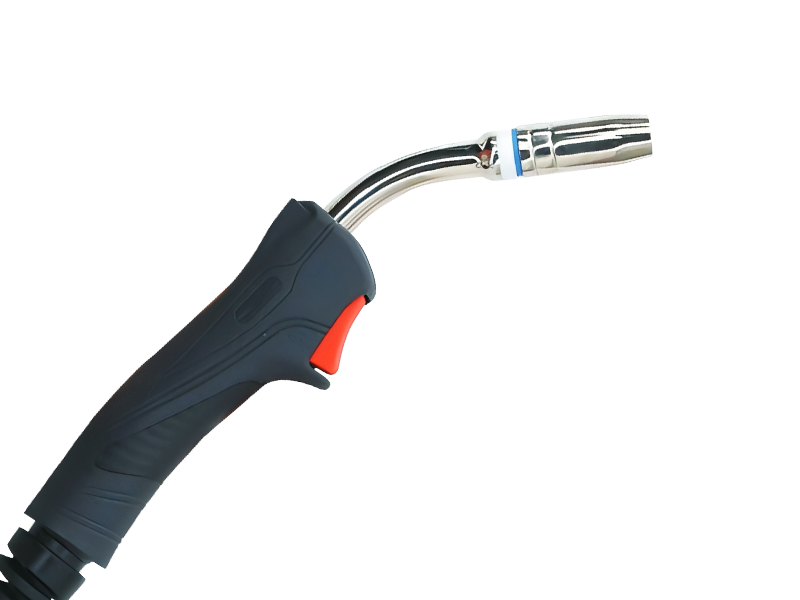
Unlocking the Benefits of Water-Cooled MIG Welding Machines
Water-cooled MIG welding machines are becoming increasingly popular among welders due to their ability to maintain optimal operating temperatures and improve overall welding performance. These machines utilize a water-cooling system to dissipate heat generated during the welding process, allowing for extended periods of operation without overheating. This is particularly beneficial in heavy-duty a

MESSAGES
We will contact you within one working day. Please pay attention to your email.
Qucik Link
Contact
WhatsApp: +8615833370366
E-mail: zhaoyiqian@trevor-welding.com
Address: No. 105 Yongming Street, Dahe Road, East of Renqiu City, Hebei, China