
Understanding Swan Neck Angles: What Works Best for You?
2026-07-21


Understanding Swan Neck Angles: What Works Best for You?
Table of Contents
1. Introduction to Swan Neck Angles
2. What Are Swan Neck Angles?
3. Importance of Swan Neck Angles in Welding
4. Different Types of Swan Neck Angles
4.1 Straight Swan Neck
4.2 Curved Swan Neck
4.3 Extended Swan Neck
5. Choosing the Right Swan Neck A
Understanding Swan Neck Angles: What Works Best for You?
Table of Contents
- 1. Introduction to Swan Neck Angles
- 2. What Are Swan Neck Angles?
- 3. Importance of Swan Neck Angles in Welding
- 4. Different Types of Swan Neck Angles
- 5. Choosing the Right Swan Neck Angle for Your Needs
- 6. Application of Swan Neck Angles in Automotive Repair
- 7. Maintaining Your Swan Neck Tools
- 8. FAQs
- 9. Conclusion
1. Introduction to Swan Neck Angles
In the realm of automotive repair, understanding the tools you use is crucial for achieving precision and efficiency. One such tool that plays a vital role in welding applications is known as the **swan neck angle**. This article will guide you through the various types of swan neck angles, their importance, and how to choose the right angle that best suits your repair needs.
2. What Are Swan Neck Angles?
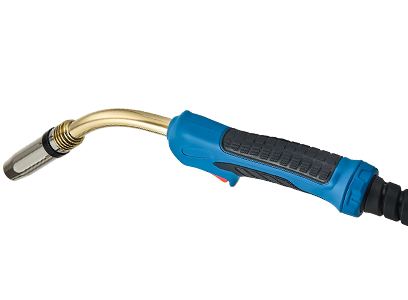
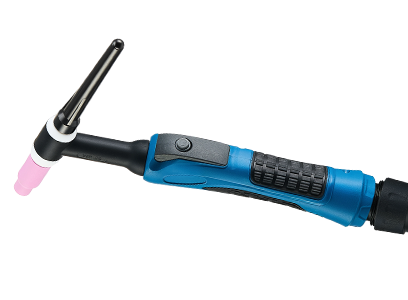
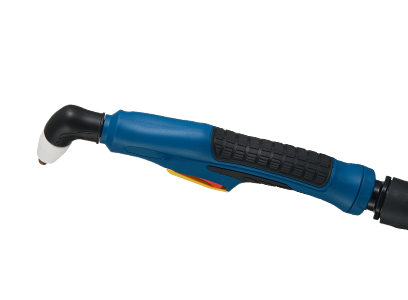
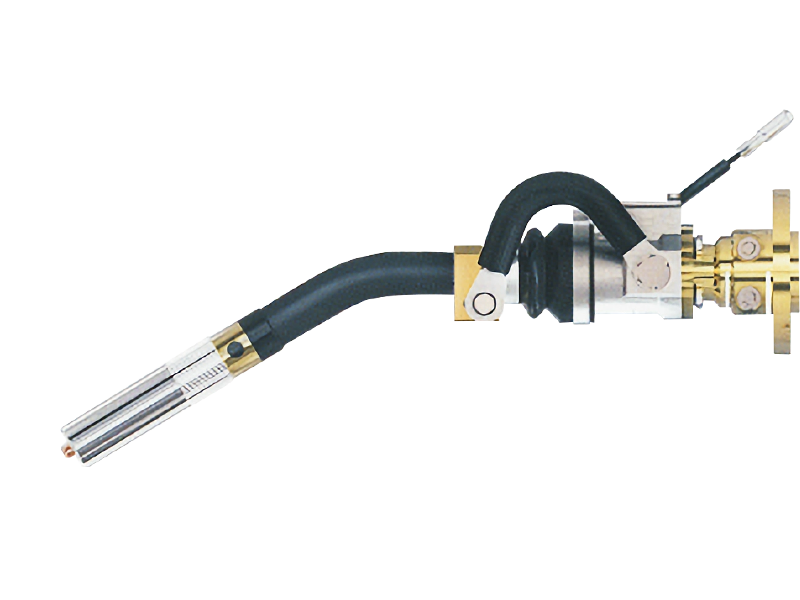
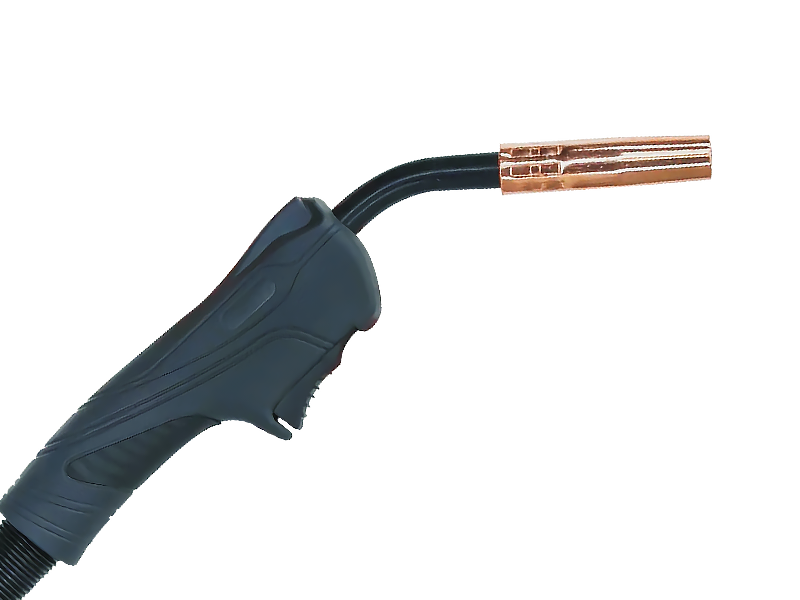
Swan neck angles refer to the unique design of certain welding tips that are used in conjunction with welding torches. The design resembles the neck of a swan, which is where the name comes from. These angles allow welders to access hard-to-reach areas, making them essential for a variety of **welding applications** in automotive repair.
The swan neck design can significantly enhance the maneuverability of the welding torch, allowing for more intricate work, especially in confined spaces. This unique shape helps in directing the welding arc precisely where it is needed, leading to better weld quality and reduced risk of damage to surrounding materials.
3. Importance of Swan Neck Angles in Welding
The **importance of swan neck angles** cannot be overstated, particularly in automotive repair where precision is paramount. Here are several reasons why these angles are essential:
1. **Access to Tight Spaces**: Many automotive components are located in cramped quarters, making it difficult for standard welding tips to reach them. Swan neck angles provide a solution by allowing welders to navigate these tight spaces seamlessly.
2. **Improved Visibility**: The unique design allows welders to maintain a clear line of sight to the welding area, ensuring better control and accuracy during the welding process.
3. **Versatility**: With various types of swan neck angles available, welders can choose the one that best suits their specific needs, whether it involves routine maintenance or complex repairs.
4. **Enhanced Precision**: By directing the welding arc more effectively, swan neck angles help welders achieve cleaner and more precise welds, ultimately leading to higher quality repairs.
4. Different Types of Swan Neck Angles
When it comes to swan neck angles, there are several types to consider, each with its distinct advantages. Understanding these types will help you choose the right one for your welding tasks.
4.1 Straight Swan Neck
The **straight swan neck** angle is one of the most commonly used types in welding. It features a direct line from the torch to the welding area, making it ideal for applications where space is not overly restricted. This design allows for rapid movement and straightforward access, making it a favorite among professional welders.
4.2 Curved Swan Neck
The **curved swan neck** angle, as the name suggests, has a gentle curve that allows for better maneuverability in tight spaces. This angle is particularly useful for intricate welding tasks where precision is crucial. The curve helps in directing the arc to hard-to-reach spots without compromising the quality of the weld.
4.3 Extended Swan Neck
The **extended swan neck** angle features a longer reach, making it suitable for applications where the welding area is deep or further away from the welder. This type is advantageous for accessing areas that standard swan neck angles cannot reach. The extended design ensures that welders can maintain their position and comfort while working on complex repairs.
5. Choosing the Right Swan Neck Angle for Your Needs
Selecting the right swan neck angle is crucial for achieving optimal results in your welding projects. Here are some factors to consider:
1. **Type of Repair**: Assess the type of automotive repair you will be undertaking. Different repairs may require different angles, tools, and techniques.
2. **Space Constraints**: Evaluate the space in which you will be working. If you are dealing with tight areas, consider a curved swan neck for improved access. For deep or extended areas, opt for the extended model.
3. **Welding Technique**: Different techniques may require unique tools. Ensure that your chosen swan neck angle complements your welding style, whether it’s MIG, TIG, or another method.
4. **Material**: Consider the materials you will be welding. Different materials may require specific welding tips to achieve the best results.
5. **Comfort and Control**: The design and angle of the tool should facilitate comfort and control during the welding process. It’s essential to choose a model that allows you to maintain a steady hand and precise movements.
6. Application of Swan Neck Angles in Automotive Repair
Swan neck angles find versatile applications in the automotive industry. Their unique design makes them suitable for various tasks, including:
1. **Bodywork Repairs**: The curves and angles of automotive bodies often necessitate intricate welding work. Swan neck angles help access these areas efficiently.
2. **Exhaust System Fabrication**: When working on exhaust systems, the ability to maneuver around tight bends and curves is crucial. Swan neck angles allow for precise welding in these challenging environments.
3. **Chassis Repairs**: The complex structure of a vehicle's chassis often requires welding in confined spaces, making swan neck angles a must-have tool for any automotive repair shop.
4. **Custom Fabrication**: For projects that involve custom parts or modifications, swan neck angles provide the versatility and precision needed to achieve professional results.
7. Maintaining Your Swan Neck Tools
To ensure the longevity and effectiveness of your swan neck tools, proper maintenance is essential. Here are some tips for maintaining these valuable tools:
1. **Regular Cleaning**: After each use, thoroughly clean your swan neck angles to remove any residue or debris that could affect their performance.
2. **Inspect for Wear**: Regularly check for signs of wear or damage, especially at the connection points. Replace any worn parts promptly to maintain optimal performance.
3. **Store Properly**: Store your tools in a dry, safe environment to prevent rust and damage. Use protective cases or holders to avoid accidental impacts.
4. **Follow Manufacturer Guidelines**: Always adhere to the manufacturer's instructions for maintenance and care. This will help extend the life of your tools and ensure they perform at their best.
8. FAQs
What is a swan neck angle in welding?
A swan neck angle is a specific design in welding tips that allows for better maneuverability and access to tight spaces in automotive repair.
Why is the swan neck angle important?
The swan neck angle enhances precision, improves visibility, and allows welders to access hard-to-reach areas effectively, which is crucial in automotive repairs.
How do I choose the right swan neck angle?
Consider factors such as the type of repair, space constraints, welding technique, material, and comfort when selecting the appropriate swan neck angle.
What are the different types of swan neck angles?
The main types of swan neck angles include straight, curved, and extended, each serving unique purposes based on the specific welding tasks.
How can I maintain my swan neck tools?
Regular cleaning, inspecting for wear, proper storage, and following manufacturer guidelines are essential for maintaining your swan neck tools.
9. Conclusion
Understanding swan neck angles is vital for anyone involved in automotive repair and welding. These specialized tools not only enhance precision and accessibility but also improve the overall quality of the work performed. By selecting the right swan neck angle for your specific needs and maintaining your tools properly, you can ensure optimal results in your welding projects. Whether you're a seasoned professional or just starting, mastering the use of swan neck angles will undoubtedly elevate your welding skills and efficiency in automotive repairs.
TAG:
Related Posts

Essential Equipment for MIG Welding: A Comprehensive Guide
When it comes to MIG welding, having the right equipment is crucial for achieving optimal results. This process, known for its versatility and ease of use, demands specific tools and accessories to ensure not only effective welding but also safe working conditions. Here’s a breakdown of the key equipment needed for MIG welding.
**1. MIG Welding Machine**: The centerpiece of your setup, a MIG weldi

MESSAGES
We will contact you within one working day. Please pay attention to your email.
Qucik Link
Contact
WhatsApp: +8615833370366
E-mail: zhaoyiqian@hrwelding.cn
Address: No. 105 Yongming Street, Dahe Road, East of Renqiu City, Hebei, China