
The Future of MIG Welding Torches: Innovations on the Horizon
2026-06-15


The Future of MIG Welding Torches: Innovations on the Horizon
Table of Contents
Introduction to MIG Welding and Its Importance
Current Technologies in MIG Welding Torches
Future Innovations in MIG Welding Torches
Smart Welding Technologies
Energy-Efficient Designs and Materials
Ergonomic Features for Enhanced User Experience
Reducing Envir
The Future of MIG Welding Torches: Innovations on the Horizon
Table of Contents
- Introduction to MIG Welding and Its Importance
- Current Technologies in MIG Welding Torches
- Future Innovations in MIG Welding Torches
- Smart Welding Technologies
- Energy-Efficient Designs and Materials
- Ergonomic Features for Enhanced User Experience
- Reducing Environmental Impact through Innovation
- The Role of Automation in MIG Welding
- Case Studies: Innovations in Action
- Frequently Asked Questions
- Conclusion
Introduction to MIG Welding and Its Importance
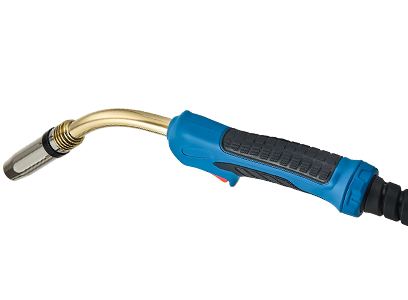
MIG (Metal Inert Gas) welding, also known as gas metal arc welding (GMAW), is a widely used welding process due to its efficiency and versatility. As industries evolve and technology advances, the demand for precision and speed in welding operations has intensified. Understanding the future of MIG welding torches is crucial for welders, manufacturers, and industries reliant on welding applications. This article delves into the next generation of MIG welding torches, exploring innovations on the horizon that promise to revolutionize the field.
Current Technologies in MIG Welding Torches
Today's MIG welding torches are equipped with a plethora of features designed for efficiency and precision. They typically include advancements such as:
- **Automatic wire feed systems** that ensure consistent and controlled wire delivery.
- **Interchangeable tips and nozzles**, allowing versatility for different welding tasks.
- **Integrated cooling systems** that maintain optimal temperatures during prolonged use.
Despite these innovations, there remains a significant potential for further enhancements that address the evolving needs of welders.
Future Innovations in MIG Welding Torches
The future of MIG welding torches is bright, with several innovations poised to enhance performance, safety, and user experience.
Smart Welding Technologies
As the industrial landscape embraces the Internet of Things (IoT) and smart technology, MIG welding torches are expected to follow suit. Some anticipated innovations include:
- **Real-time monitoring systems** that provide welders with data analytics on performance metrics, helping them adjust parameters dynamically for optimal results.
- **AI-assisted welding** that learns from previous welds, allowing for the automatic adjustment of settings based on material types and thicknesses.
These smart technologies aim to minimize human error, resulting in higher quality welds and increased efficiency.
Energy-Efficient Designs and Materials
Sustainability is becoming increasingly important in all aspects of manufacturing, including welding. Future MIG welding torches are likely to feature:
- **Energy-efficient components** that reduce power consumption without sacrificing performance.
- **Lightweight materials** that maintain durability while reducing the overall weight of the torch, making it easier to handle during extended use.
- **Recyclable materials** that minimize environmental impact, promoting sustainability in manufacturing processes.
These innovations not only appeal to eco-conscious industries but also contribute to overall cost savings in production and energy use.
Ergonomic Features for Enhanced User Experience
As the demand for comfort and usability increases, ergonomic design in MIG welding torches is expected to advance significantly. Future designs may include:
- **Adjustable grips and handles** that accommodate various hand sizes and reduce fatigue during long welding sessions.
- **Vibration-dampening technology** to decrease the strain on the hands and arms, allowing for more prolonged use without discomfort.
- **Lightweight designs** that improve maneuverability without compromising on strength.
These enhancements not only boost the overall user experience but also enhance safety, reducing the risk of accidents due to fatigue.
Reducing Environmental Impact through Innovation
As industries are held accountable for their environmental footprint, the welding sector is no exception. Future MIG welding torches will likely focus on reducing waste and emissions through:
- **Advanced filtration systems** to capture harmful fumes and particulates during the welding process.
- **Eco-friendly welding consumables** that produce less smoke and harmful emissions.
- **Modular designs** that allow for easy replacement of parts, extending the lifespan of the tools and reducing waste.
These approaches align with global efforts to promote sustainability in manufacturing processes.
The Role of Automation in MIG Welding
Automation is rapidly transforming the manufacturing sector, and MIG welding is no different. Future innovations in welding torches may integrate:
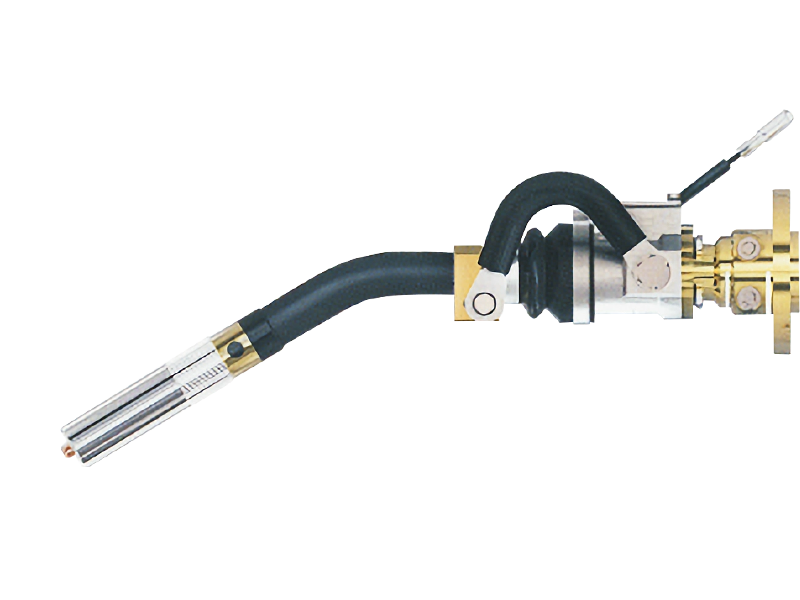
- **Robotic welding systems** that utilize MIG welding torches, ensuring more consistent and high-quality welds than manual processes can achieve.
- **Automated feedback systems** that assess the quality of welds in real-time, allowing for instant corrections and adjustments.
By embracing automation, manufacturers can enhance productivity and ensure the consistent quality of outputs.
Case Studies: Innovations in Action
Several companies are already pioneering advancements in MIG welding torch technologies, setting the stage for the future. For instance:
- **Company A** has developed a smart MIG torch equipped with sensors that provide feedback on welding parameters, dramatically reducing the error rate in production.
- **Company B** has introduced an ergonomic torch design that has decreased worker fatigue and increased productivity by 30%, showcasing the positive impact of user-centered design.
These case studies highlight how innovation is not just theoretical but is being actively implemented to improve welding operations.
Frequently Asked Questions
1. What is MIG welding?
MIG welding is a process in which a continuous wire electrode is fed through a welding gun and into the weld pool, joining two pieces of metal together. It is known for its speed and versatility.
2. What are the main advantages of MIG welding?
MIG welding offers several advantages, including ease of use, speed, and the ability to weld a wide variety of materials. It also produces clean welds with minimal post-weld cleanup.
3. How do innovations in MIG welding torches improve safety?
Innovations such as ergonomic designs and integrated cooling systems enhance user safety by minimizing fatigue and reducing the risk of overheating, while smart technologies can provide alerts for potential hazards.
4. What role does automation play in the future of MIG welding?
Automation streamlines the welding process, ensuring consistent quality and reducing the potential for human error. Robotic systems can manage complex welding tasks effectively.
5. Are there environmental concerns associated with MIG welding?
Yes, traditional MIG welding can produce harmful fumes and emissions. However, advancements in technology are focusing on reducing these impacts through improved filtration and eco-friendly consumables.
Conclusion
The future of MIG welding torches is brimming with potential innovations that promise to revolutionize the field. From smart technologies and energy-efficient designs to automation and ergonomic enhancements, these advancements aim to improve efficiency, safety, and sustainability. As the welding industry continues to evolve, staying abreast of these innovations will be crucial for welders and manufacturers alike, ensuring they remain competitive in a rapidly changing landscape. Embracing these changes not only enhances the quality of work but also contributes to a more sustainable and efficient future in welding.
TAG:
Previous
Previous:
Related Posts

The Future of MIG Welding Torches: Innovations on the Horizon
The Future of MIG Welding Torches: Innovations on the Horizon
Table of Contents
Introduction to MIG Welding and Its Importance
Current Technologies in MIG Welding Torches
Future Innovations in MIG Welding Torches
Smart Welding Technologies
Energy-Efficient Designs and Materials
Ergonomic Features for Enhanced User Experience
Reducing Envir
MESSAGES
We will contact you within one working day. Please pay attention to your email.
Qucik Link
Contact
WhatsApp: +8615833370366
E-mail: zhaoyiqian@hrwelding.cn
Address: No. 105 Yongming Street, Dahe Road, East of Renqiu City, Hebei, China