
The Essential Guide to TIG Torch Hoses: Ensuring Optimal Performance in Welding
2026-06-06


In the realm of welding, the TIG torch hose plays a pivotal role in ensuring the efficiency and effectiveness of tungsten inert gas (TIG) welding processes. Understanding the function and maintenance of these hoses is essential for professionals who rely on precision and reliability in their work.
A TIG torch hose serves as the conduit for delivering shielding gas to the welding arc. This is cruci
In the realm of welding, the TIG torch hose plays a pivotal role in ensuring the efficiency and effectiveness of tungsten inert gas (TIG) welding processes. Understanding the function and maintenance of these hoses is essential for professionals who rely on precision and reliability in their work.
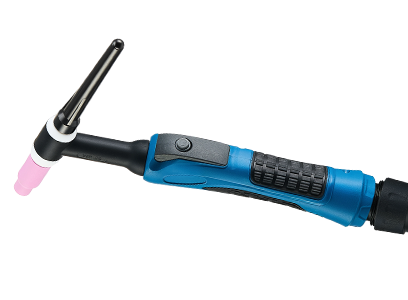
A TIG torch hose serves as the conduit for delivering shielding gas to the welding arc. This is crucial because the gas protects the weld area from atmospheric contamination, allowing for cleaner and stronger welds. Typically, these hoses are designed to withstand high temperatures and pressures, which is essential given the intense conditions present during welding operations.
When selecting a TIG torch hose, consider factors such as length, diameter, and material composition. Most hoses are made from durable rubber or synthetic materials that can resist wear and tear while maintaining flexibility. It's important to choose a hose that fits your specific TIG torch model to ensure optimal performance. An improperly fitted hose can lead to gas leaks, which not only compromises the quality of the weld but also poses safety risks.
Regular maintenance of TIG torch hoses is vital to prolong their lifespan and functionality. Inspect hoses for any signs of damage, such as cracks, abrasions, or bulges. Even minor wear can lead to significant issues, including gas leaks that impact the welding process. If you detect any damage, it is advisable to replace the hose promptly to maintain the integrity of your welding setup.
Proper storage of TIG torch hoses is another critical aspect of maintenance. Avoid coiling the hose too tightly, as this can lead to kinks that restrict gas flow. Instead, store hoses in a manner that allows them to lay flat or in gentle curves to prevent unnecessary stress on the material.
In addition to maintenance, understanding the relationship between the TIG torch hose and other welding equipment is important. For instance, the choice of shielding gas can influence the type of hose you should use, as different gases may require hoses with specific pressure ratings. Furthermore, the compatibility of the hose with the welding machine and the torch itself is essential for ensuring a seamless operation.
In summary, the TIG torch hose is an integral component of the welding process that deserves attention and care. By selecting the right hose, performing regular maintenance, and understanding its role in welding operations, professionals can enhance their welding performance and ensure safety in their work environments. This will not only yield better results but also contribute to a more efficient workflow in the demanding field of welding.
A TIG torch hose serves as the conduit for delivering shielding gas to the welding arc. This is crucial because the gas protects the weld area from atmospheric contamination, allowing for cleaner and stronger welds. Typically, these hoses are designed to withstand high temperatures and pressures, which is essential given the intense conditions present during welding operations.
When selecting a TIG torch hose, consider factors such as length, diameter, and material composition. Most hoses are made from durable rubber or synthetic materials that can resist wear and tear while maintaining flexibility. It's important to choose a hose that fits your specific TIG torch model to ensure optimal performance. An improperly fitted hose can lead to gas leaks, which not only compromises the quality of the weld but also poses safety risks.
Regular maintenance of TIG torch hoses is vital to prolong their lifespan and functionality. Inspect hoses for any signs of damage, such as cracks, abrasions, or bulges. Even minor wear can lead to significant issues, including gas leaks that impact the welding process. If you detect any damage, it is advisable to replace the hose promptly to maintain the integrity of your welding setup.
Proper storage of TIG torch hoses is another critical aspect of maintenance. Avoid coiling the hose too tightly, as this can lead to kinks that restrict gas flow. Instead, store hoses in a manner that allows them to lay flat or in gentle curves to prevent unnecessary stress on the material.
In addition to maintenance, understanding the relationship between the TIG torch hose and other welding equipment is important. For instance, the choice of shielding gas can influence the type of hose you should use, as different gases may require hoses with specific pressure ratings. Furthermore, the compatibility of the hose with the welding machine and the torch itself is essential for ensuring a seamless operation.
In summary, the TIG torch hose is an integral component of the welding process that deserves attention and care. By selecting the right hose, performing regular maintenance, and understanding its role in welding operations, professionals can enhance their welding performance and ensure safety in their work environments. This will not only yield better results but also contribute to a more efficient workflow in the demanding field of welding.
TAG:
Related Posts

Essential Equipment for MIG Welding: A Comprehensive Guide
When it comes to MIG welding, having the right equipment is crucial for achieving optimal results. This process, known for its versatility and ease of use, demands specific tools and accessories to ensure not only effective welding but also safe working conditions. Here’s a breakdown of the key equipment needed for MIG welding.
**1. MIG Welding Machine**: The centerpiece of your setup, a MIG weldi

MESSAGES
We will contact you within one working day. Please pay attention to your email.
Qucik Link
Contact
WhatsApp: +8615833370366
E-mail: zhaoyiqian@hrwelding.cn
Address: No. 105 Yongming Street, Dahe Road, East of Renqiu City, Hebei, China